About this place
Museu de l'arròs de València is a small themed museum in Valencia dedicated to the history of rice growing and processing — the crop without which the city's signature paella would never have existed. It occupies a former rice-husking factory, a fitting setting for an exhibition built entirely around this one grain.
Where is the museum located?
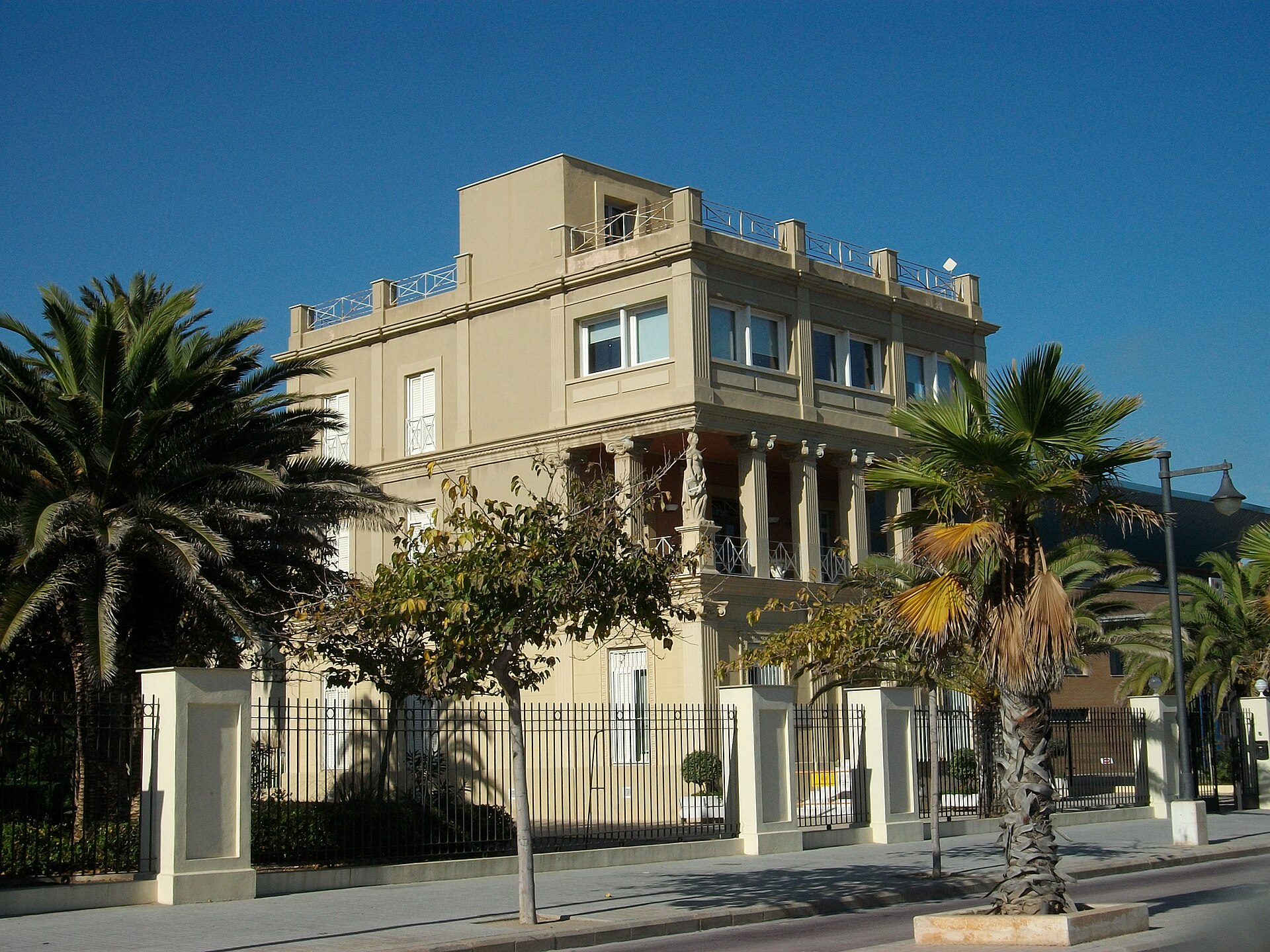
The museum sits in the eastern part of Valencia, in the seafront area of Cabanyal-Canyamelar, close to the port and Malvarrosa beach. This district has a completely different feel from the historic Old Town: low, brightly painted fishermen's houses, narrow streets, and the atmosphere of an old fishing village that got absorbed by an expanding city. The building itself, a former industrial mill, is a direct link to the era when the wetlands of the Albufera lagoon just south of Valencia turned this region into one of Europe's major rice-growing centers.
What will you see inside?
The exhibition walks visitors through the full transformation of rice from a harvested crop into a market-ready product. Original machinery for husking, cleaning, sorting, and packaging the grain is on display, some of it demonstrated in action during a visit. The museum also explains why rice grown around Valencia — varieties such as bomba and senia — is prized for paella: it absorbs flavor without turning mushy, which is exactly what the dish's texture depends on. In this way the exhibition blends industrial history with local food culture, presenting rice not as a side ingredient but as the backbone of Valencia's culinary identity.
How do you get there?
The museum lies in a seafront neighborhood best reached by tram or city bus from central Valencia, a ride of roughly fifteen to twenty minutes. It pairs naturally with a walk along Malvarrosa beach or lunch at one of the many restaurants in the area that specialize in paella — there is no shortage of them nearby.
When should you go?
The museum is closed on Mondays. From Tuesday to Saturday it opens 10:00–14:00 and 15:00–19:00, while on Sundays and public holidays hours are shorter, roughly 10:00/10:30 to 14:00. Given the compact size of the exhibition, a visit typically takes 30 to 45 minutes, so it works best as one stop among several in this part of Valencia rather than a destination on its own.
Frequently asked questions
Is it worth visiting if I'm not particularly interested in industrial history? Yes — this isn't a dry technical museum. The exhibition is short and focused on the practical link between rice and Valencian cuisine, making it a good complement to a trip through a region famous for paella rather than a stop just for machinery enthusiasts.
How much time should I set aside? Thirty to forty-five minutes is enough, given the museum's compact layout, which makes it easy to combine with other stops in the Cabanyal district or a visit to Malvarrosa beach.
Is this a good place to bring children? The moving machinery and the straightforward, visual way the rice production process is presented make it accessible for younger visitors too, though the technical labels are aimed mainly at adults.
Is there somewhere to eat nearby afterward? The Cabanyal-Canyamelar district is known for seafood restaurants and paella houses — a natural next stop to try the dish that Valencian rice is famous for.
Nearby places

Earn badges for the places you visit
Download NextOnTrip, discover new places and check off your trails.