About this place
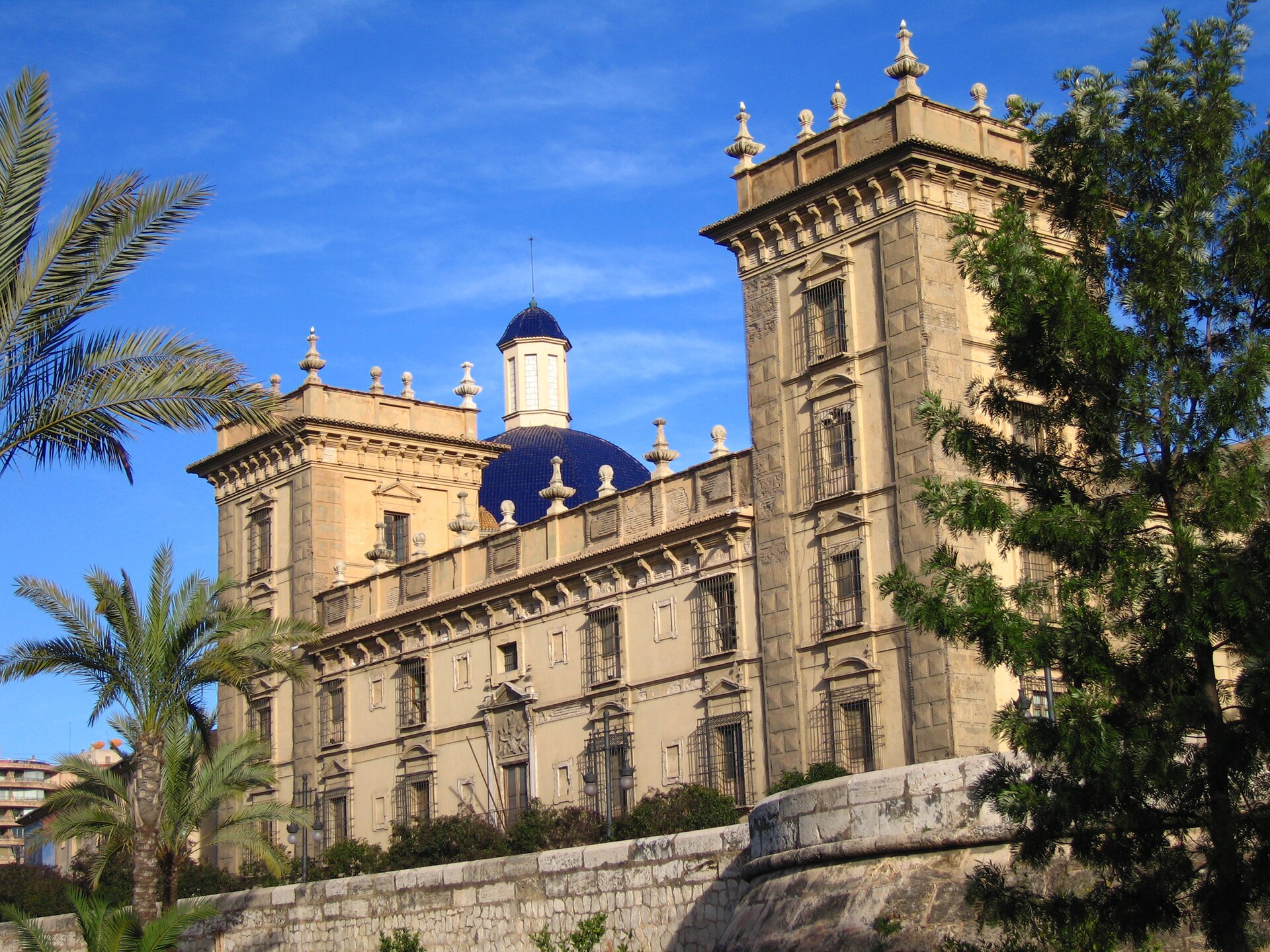
Palau de Cervelló is a historic city palace in the heart of Valencia, standing on Plaza de Tetuán in the Ciutat Vella district. Today the building operates as a museum and archive, and its neoclassical facade with twin towers is one of the more recognizable sights in this part of the old town.
What is the history behind the palace?
A Gothic palace originally stood on this site, and in the mid-16th century it passed into the hands of the Ponç de Castellví family. Back then the building sat between Rambla dels Predicadors and Xerea street, right in the old core of Valencia. In the 18th century the Counts of Cervelló, lords of Oropesa, rebuilt the residence, giving it the neoclassical appearance it still shows today. Mainly the facade from that period survives: two flanking towers and two floors of balconies that give the building its stately, palatial look.
Why did Spanish monarchs stay here?
When the Palacio del Real — Valencia's former royal residence — was demolished in 1810, Palau de Cervelló became the place where visiting monarchs stayed instead. It was here, in 1814, that King Ferdinand VII resided and signed the decree dissolving the Cortes and repealing the 1812 Constitution, one of the pivotal moments in Spain's return to absolutist rule. Decades later, in 1840, Queen Regent María Cristina abdicated the regency in the very same palace. These two episodes tie the building closely to the turbulent political history of 19th-century Spain.
What does the palace house today?
Palau de Cervelló now houses Valencia's Municipal Historical Archive, founded back in 1238 — one of the oldest, most complete and best-preserved municipal archives in Europe. The building is also home to the Serrano Morales Municipal Library. Together, this makes the palace a combination of museum, archive and library, open to anyone interested in the history of the city and the surrounding region.
Where exactly is the palace located?
Palau de Cervelló stands at Plaza de Tetuán 3, in the Ciutat Vella district — Valencia's historic center. It's a typical setting for the old town, surrounded by other heritage buildings and squares that make up the city's historic core.
Frequently Asked Questions
What was Palau de Cervelló originally? It began as a Gothic palace, taken over in the mid-16th century by the Ponç de Castellví family. Its current neoclassical appearance dates from the 18th century, under the Counts of Cervelló.
Why is the palace sometimes called a "royal residence"? After the Palacio del Real was torn down in 1810, Palau de Cervelló took over as the lodging for monarchs visiting Valencia, which is where the name comes from.
What historical event is the palace known for? In 1814 Ferdinand VII signed a decree here repealing the 1812 Constitution, and in 1840 Queen María Cristina abdicated the regency inside the palace.
What can visitors find in the palace today? The building houses Valencia's Municipal Historical Archive (founded in 1238) and the Serrano Morales Municipal Library, functioning as a museum and cultural institution.
Nearby places

Earn badges for the places you visit
Download NextOnTrip, discover new places and check off your trails.