About this place
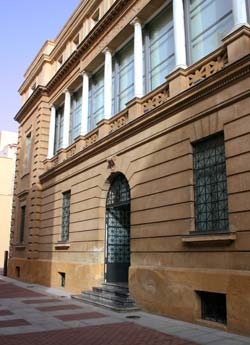
Museo Diocesano de Arte Sacro in Orihuela is a compact sacred-art museum packed with genuinely important pieces, tucked inside the Renaissance Episcopal Palace right in the old town. For anyone exploring Orihuela, it's an easy add-on to a cathedral visit — and a must for fans of Spanish Golden Age painting, since the collection holds an original Velázquez.
How do you get there?
The Episcopal Palace sits in Orihuela's historic centre, right next to the Cathedral of El Salvador and Santa María, so the simplest approach is on foot after touring the cathedral itself. Orihuela is in Alicante province, roughly 20 minutes by car from Alicante city and its airport, making it a comfortable half-day trip for anyone based on the Costa Blanca. Regional buses connect the town with Alicante and Murcia, and once you're in the old quarter, walking is the easiest way around — the centre is compact and largely closed to cars.
What will you see inside?
The museum was founded in 1939, right after the Spanish Civil War, on the initiative of the diocese's vicar general at the time, Luis Almarcha, who wanted to safeguard and put on public display the sacred art accumulated over centuries in the region's churches. For decades the collection was kept inside the cathedral, until it moved to its current, far more spacious home in the Episcopal Palace in February 2011.
The holdings span painting, sculpture, liturgical goldsmithing, textiles and church furniture from several centuries — from Romanesque works through to Neoclassicism. The undisputed highlight is Diego Velázquez's canvas "The Temptation of Saint Thomas Aquinas", painted after the artist's first trip to Italy — one of the very few Velázquez paintings on public view outside the major national museums. Alongside it hang works by other respected names from Spanish Baroque and earlier painting, including Sánchez Coello, Jerónimo de Córdoba, Matías Stom, Pedro Orrente and Jerónimo Jacinto de Espinosa. The collection is rounded out by liturgical objects — chalices, monstrances and vestments — that document the region's ecclesiastical craftsmanship.
The building itself, a 16th-century Episcopal Palace, is worth taking in on its own terms: its period reception rooms provide a fitting backdrop for the artworks and give a real sense of how the seat of the Diocese of Orihuela-Alicante once functioned.
When should you visit?
The museum opens Sundays and public holidays from 10 a.m. to 2 p.m.; hours on other days can vary seasonally, so it's worth checking the official website before setting out. A visit typically takes 45 to 60 minutes, which pairs neatly with a stop at the cathedral next door — a combined ticket covering both sites is available. Mornings, right after opening, tend to be quietest; weekends and Holy Week (Orihuela is known for its solemn Easter processions) draw larger crowds.
Standard admission is 4 euros. Retirees and students get a 50% discount, and school groups or parties of 25 or more with advance booking get 25% off. Children under 7 and visitors with disabilities enter free. A combined museum-plus-cathedral ticket costs 6 euros, a convenient option if you're planning to see both on the same day.
Frequently Asked Questions
Is the Velázquez painting really an original? Yes. "The Temptation of Saint Thomas Aquinas" is an authentic canvas by Diego Velázquez, painted after his first trip to Italy, and it's the centrepiece of the collection.
How much time should I set aside? Around 45 to 60 minutes is enough to see everything at a relaxed pace — this is an intimate museum, without the crowds you'd find at a large national gallery.
Can I combine it with a visit to Orihuela Cathedral? Yes, the two buildings stand next to each other, and a combined 6-euro ticket lets you visit both on the same day without buying separate entries.
Is the museum accessible for visitors with disabilities? Admission is free for visitors with disabilities, though it's worth checking the museum's website beforehand for details on physical accessibility, since the building is a historic 16th-century palace.
Nearby places

Earn badges for the places you visit
Download NextOnTrip, discover new places and check off your trails.