About this place
Museo Arqueológico Comarcal de Orihuela is the municipal archaeology museum of Orihuela, a city in the province of Alicante in eastern Spain. The institution carries on the legacy of the former Museo de Antigüedades, run at the Colegio de Santo Domingo and founded in the 19th century by the Belgian Jesuit Julio Furgús, whose collections it still partly preserves. After years of relocations and reorganizations, the museum took its current shape in 1970, when it was re-established as a comarcal (district-wide) institution serving the entire Vega Baja area.
Where is the museum housed?
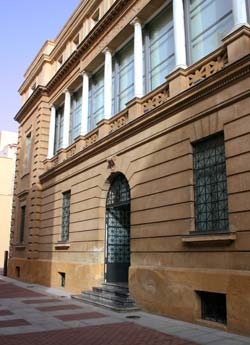
The collection is displayed inside the former municipal hospital of San Juan de Dios, occupying its church and the old men's ward. The historic setting is part of the experience: visitors move through spaces originally built for a charitable hospital, now repurposed to hold archaeological finds.
What will you see inside?
The exhibition traces settlement in the Vega Baja — the lowest stretch of the Segura river valley — from the Palaeolithic period through to the 18th and early 19th centuries. Among the pieces on show are objects from the Bronze Age Argaric culture, alongside Islamic and Christian pottery that reflects centuries of cultural exchange in the area. A separate ethnology section covers traditional trades and everyday objects used by local residents in more recent history.
A significant share of the collection comes from excavations carried out directly by the museum around Orihuela and its surroundings, which gives the display a strongly local, well-documented character — what you see largely originates from nearby archaeological sites rather than from finds transported from elsewhere in the country.
How do you get there?
Orihuela sits in the province of Alicante, close to the Costa Blanca coastline, with good road connections to both Murcia and the city of Alicante. The museum stands in the historic centre of town, surrounded by other heritage buildings, so a visit pairs naturally with a walk through Orihuela's old quarter, known for its Baroque religious architecture.
When is the best time to visit?
The Vega Baja region has a typically Mediterranean climate, with mild winters and hot summers, making spring and autumn the most comfortable seasons for sightseeing. In summer, it's worth scheduling the museum visit for the morning to avoid the highest midday temperatures.
Frequently asked questions
What does the Orihuela museum focus on? It collects and displays archaeological finds from the Vega Baja region, spanning the Palaeolithic period to the early 19th century, together with an ethnological collection.
Where do the exhibits come from? Largely from excavations the museum itself has carried out in Orihuela and at nearby archaeological sites.
Where exactly is the museum building located? Inside the former municipal hospital of San Juan de Dios, in its church and the section once used as the men's ward.
Is it worth combining the visit with other sights in Orihuela? Yes — the town centre concentrates numerous religious and historic landmarks, making it easy to plan a full day of sightseeing within a short walk of the museum.
Nearby places

Earn badges for the places you visit
Download NextOnTrip, discover new places and check off your trails.