About this place
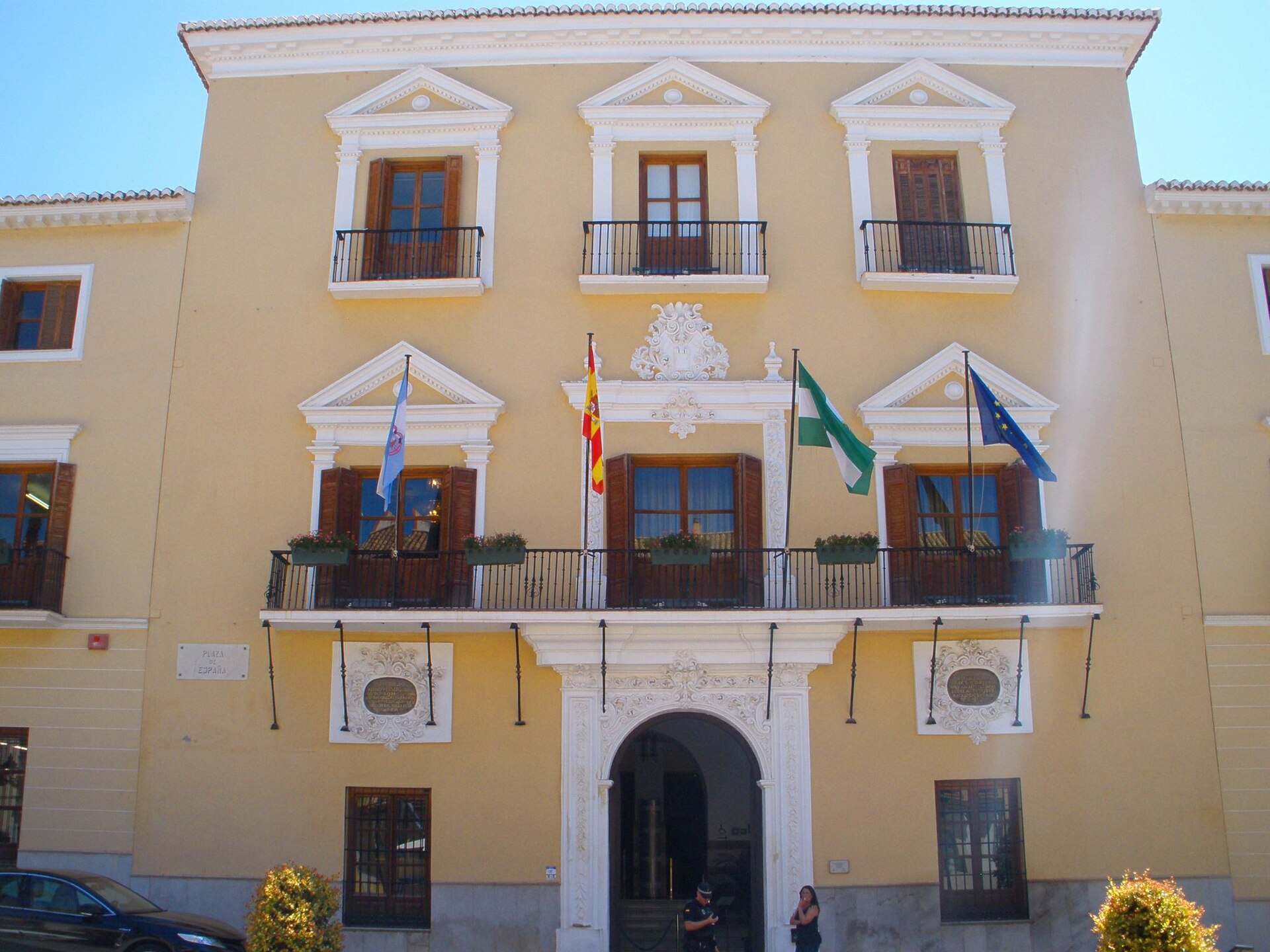
Motril Town Hall (Ayuntamiento de Motril) stands on Plaza de España, right in the heart of the city, next to the church of Nuestra Señora de la Encarnación. It is one of the few buildings in Motril to have survived the many disasters that hit the city over the centuries, and it still serves its original purpose as the seat of local government.
How do you get there?
Plaza de España sits in Motril's historic centre, an easy walk of about ten to fifteen minutes from Playa de Poniente beach and the main shopping streets. The city has good bus connections to Granada, roughly 50 km inland, as well as to the other resort towns along the Costa Tropical, so getting there without a car is straightforward. Drivers will find several public car parks near the square — the plaza itself, lined with stone buildings, is best explored on foot.
What will you see?
The town hall was built in 1631, at a time when Motril was quickly growing in importance as a hub for sugar and other goods exported through the nearby port. Local authorities wanted a building that matched the town's rising economic standing, and the result was this Baroque casa consistorial, still standing today.
One notable detail of the façade is a slight setback from the original street line — the town council agreed to pull the building back around 2.5 metres to widen the square. That decision gave Plaza de España the open, ceremonial feel it still has today.
Inside, look out for the wooden coffered ceilings in the mudéjar style, a blend of Christian and Moorish decorative techniques typical of Andalusia. This artesonado work can be found above the main entrance and in the Sala de Juntas, the council chamber where meetings are still held. It's a detail easy to miss from outside, and one of the more interesting features of the interior.
The square in front of the town hall functions as a natural gathering place for Motril's residents — local processions set off from here during festivals, and civic events are held on the plaza as well. Standing alongside the Encarnación church, the town hall forms a compact, historic architectural ensemble at the centre of the old town.
When should you visit?
The square and the town hall's façade can be seen year-round, while the interior, being an active administrative building, is really only accessible occasionally, during office hours on weekdays and usually for a specific reason. Plaza de España is at its most pleasant in the evenings, once the heat has eased and locals come out for a stroll, and during local festivals, when the square fills with decorations and music. The Costa Tropical enjoys a mild climate throughout the year, but spring and autumn are the most comfortable seasons for exploring the town, avoiding the hottest summer months.
Frequently asked questions
Can you go inside Motril Town Hall? The building houses the local government, so access to the interior is limited to office hours and usually tied to specific administrative business. The façade and the surrounding square, however, are open at all times.
What's the most interesting architectural feature? The wooden mudéjar-style ceilings above the main entrance and in the council chamber are the detail most often singled out — a decorative technique typical of historic Andalusia, unusual to find in a public building of this size.
How old is Motril Town Hall? The building dates from 1631, meaning it has stood on Plaza de España for nearly four centuries, continuously serving as the seat of local administration.
What else is worth seeing nearby? The church of Nuestra Señora de la Encarnación stands right next to the town hall, and the square together with the surrounding old-town streets makes a good starting point for exploring central Motril on foot.
Nearby places

Earn badges for the places you visit
Download NextOnTrip, discover new places and check off your trails.