Save this place and discover nearby attractions with NextOnTrip
In the app you can add it to your favorites, see what else is worth visiting nearby on the map, and earn a badge for your visit.
The app is available for iPhone and Android.
About this place
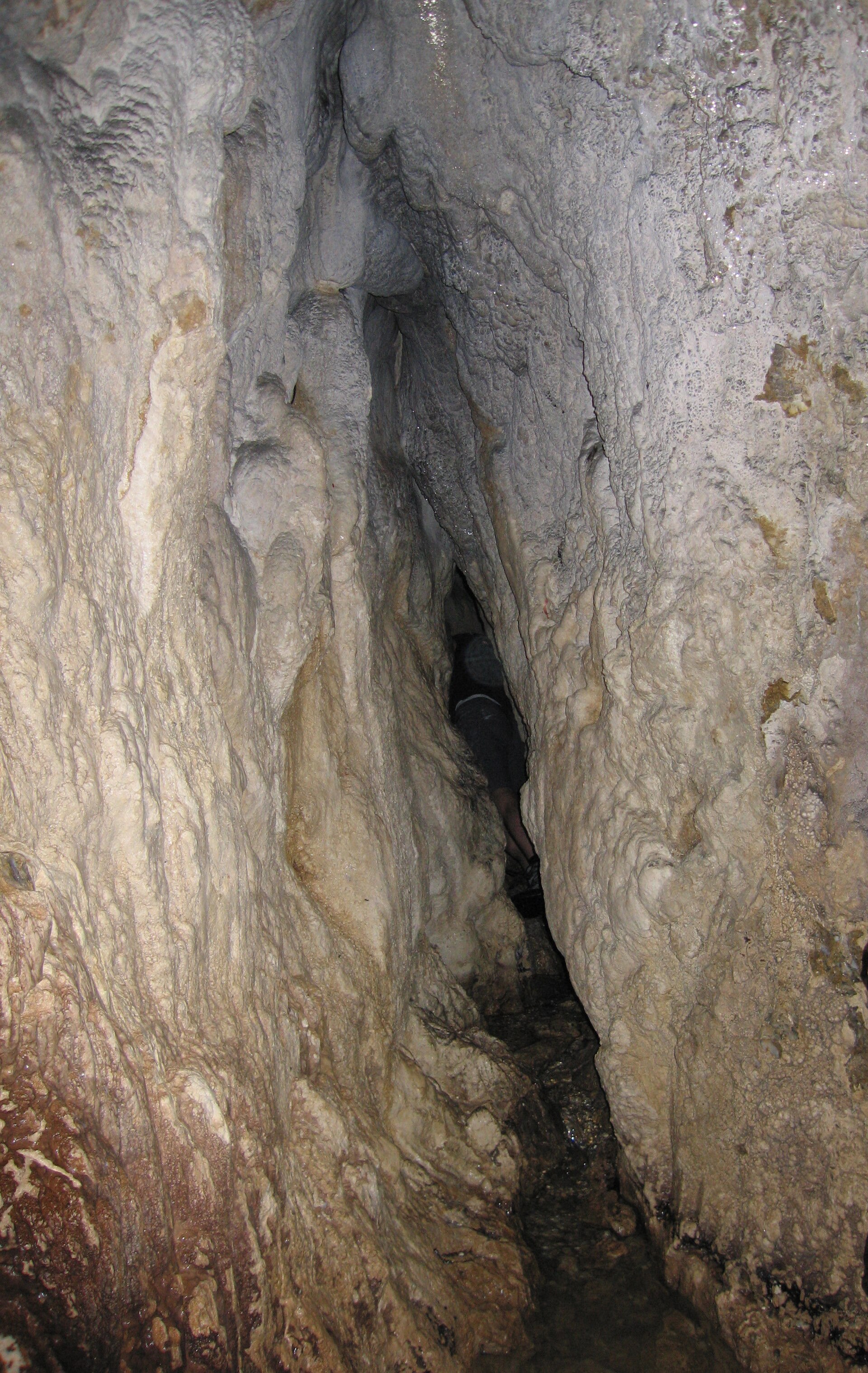
Mondmilchloch is a karst cave on Mount Pilatus above Alpnach, in the canton of Obwalden, central Switzerland. It counts as the best-known cave on the mountain, and it gave science one of its classic cave deposits: moon milk.
What is the Mondmilchloch?
The German name roughly means "moon milk hole". The cave runs about 117 metres and formed in Schrattenkalk, the limestone that makes up much of the Pilatus massif. Wikidata lists it as a solutional cave, meaning water dissolved the carbonate rock to shape it. The entrance sits at roughly 46.967° N, 8.219° E.
Why does moon milk matter?
Mondmilch is a soft, white calcite deposit found in limestone caves. This cave is regarded as its type locality, the place the phenomenon is named and defined from. In 1555 the naturalist Konrad Gessner wrote about the supposedly healing moon milk of this very cave. People used it as medicine, and older texts and pharmacy lists call it Lac Lunae in Latin.
The cave also has an early place in cave mapping. Moritz Anton Kappeler published the first plan of the Mondmilchloch in 1767, which makes it one of the earlier surveyed caves in the Alps.
Where is it exactly?
The entrance lies on the south side of the Widderfeld range at about 1,710 m above sea level. The Pilatus-Bahnen company places it west of the Widderfeld. The area belongs to the high part of the massif above Alpnach and falls within a landscape listed in Switzerland's federal BLN inventory.
How do you find the entrance?
You only see the opening when you stand right in front of it. A small stream running out of the cave can act as a pointer. The approach crosses mountain terrain, so bring hiking boots, a map or route app, and good weather. The interior is natural and damp, so a headlamp and warm clothing are worth packing.
What else has been found on Pilatus?
In 2018 a team from the NEKO foundation rediscovered several other caves in the massif. Finds included bones of several brown bears, plus chamois and goats. The bear remains were confirmed later, as announced in a press release from April 2021. The caves of Pilatus still turn up traces of former wildlife.
When should you go?
Snow lingers above 1,700 metres, so late summer to early autumn gives the driest paths. In rain or fog, postpone the trip: the entrance is hard to spot from a distance and it is easy to lose the way.
Frequently asked questions
Where does the name Mondmilchloch come from? From moon milk, the white calcite deposit described in this cave and named after it.
How long is the cave? About 117 metres, in Schrattenkalk limestone.
How high is the entrance? Around 1,710 m above sea level, on the south side of the Widderfeld range.
Who first described the cave's moon milk? Konrad Gessner, in 1555. Moritz Anton Kappeler published the first cave plan in 1767.
Nearby places

Earn badges for the places you visit
Download NextOnTrip, discover new places and check off your trails.