About this place
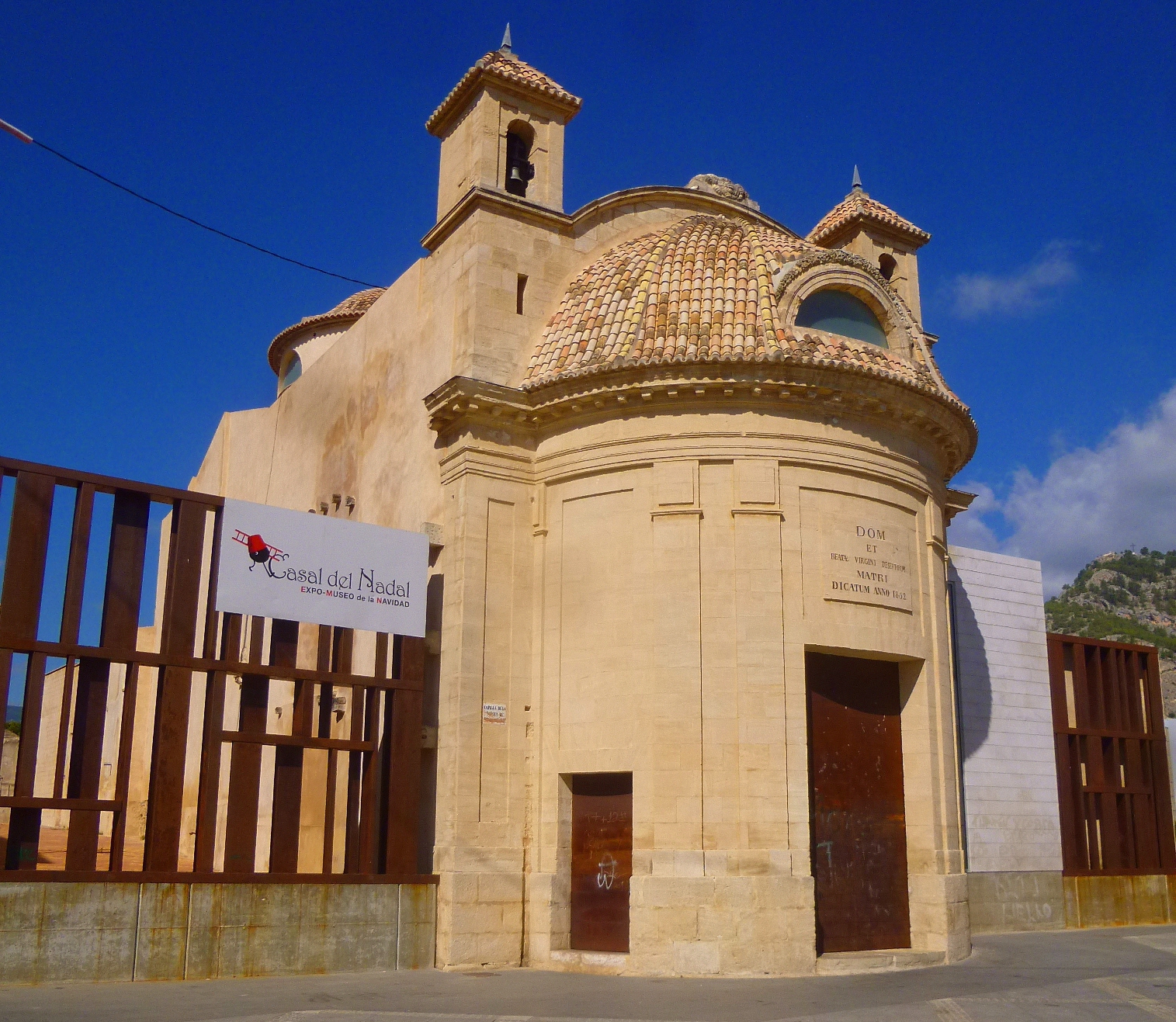
The Monasterio del Santo Sepulcro is a Baroque monastery and church in Alcoy (Alcoi), and it stands today as the only surviving example of the city's historic religious architecture — every other old church and convent in Alcoy has since disappeared.
What is the history behind the monastery?
The story begins in 1595, when Patriarch Juan de Ribera personally laid the first stone and blessed the site chosen for the new temple. The location was no accident: it was here, in 1568, that consecrated hosts stolen from Alcoy's parish church were found intact, an event still remembered locally as the miracle of the Sacred Forms. A year later, in 1596, the Archbishop of Valencia founded an order of Discalced Augustinian nuns and established the convent, while the church building itself was raised between 1596 and 1598 by master builders Baltasar García, Honorato de Onteniente and Baptista Balfago.
What can you see inside?
The church follows a Latin-cross plan with a three-bay nave covered by a barrel vault resting on arches. Above the crossing rises an elliptical dome ringed with ribs and windows that fill the interior with natural light. A lateral elliptical chapel houses relics connected to the miracle of the Sacred Chalice — stolen and recovered undamaged in 1568 — along with an image of the Child Jesus of Prague which, according to local tradition, bent its fingers to point toward the hiding place of the missing chalice. The monastery's side facade, built in a regionalist Baroque style, was designed by architect Vicente Valls Gadea and completed in 1925.
How do you get there?
The Monasterio del Santo Sepulcro sits right in the center of Alcoy, in the province of Alicante, making it an easy walk from the town's other landmarks. Alcoy lies in the mountainous interior of the Valencia region, roughly an hour's drive from the Costa Blanca coast, and is reachable by car or by regional bus services from Alicante or Valencia.
When is the best time to visit?
Morning is the best time to see the interior, when light streaming through the dome's windows illuminates the main altar and the side chapel most vividly. Check local Mass times before visiting, since the church remains an active place of worship and access outside services can be limited. Spring and autumn make for the most comfortable seasons to explore Alcoy, as summers in this part of Valencia tend to be quite hot.
Frequently Asked Questions
Why is the monastery called "Santo Sepulcro"? The name recalls the 1568 miracle, when consecrated hosts stolen from the parish church were found undamaged on this very spot, an event regarded as a divine sign and the reason the temple was built here.
Is this the only historic religious building of its kind in Alcoy? Yes, the monastery is now the sole surviving example of the city's old religious architecture, as Alcoy's other historic churches and convents no longer exist.
What does the Child Jesus of Prague figure in the chapel represent? Local tradition holds that the figure bent its fingers to indicate where the stolen chalice with the hosts had been hidden, which is why it became part of the devotion tied to the miracle.
Who designed the monastery's side facade? The regionalist Baroque facade was designed by architect Vicente Valls Gadea, with the work completed in 1925.
Nearby places

Earn badges for the places you visit
Download NextOnTrip, discover new places and check off your trails.