About this place
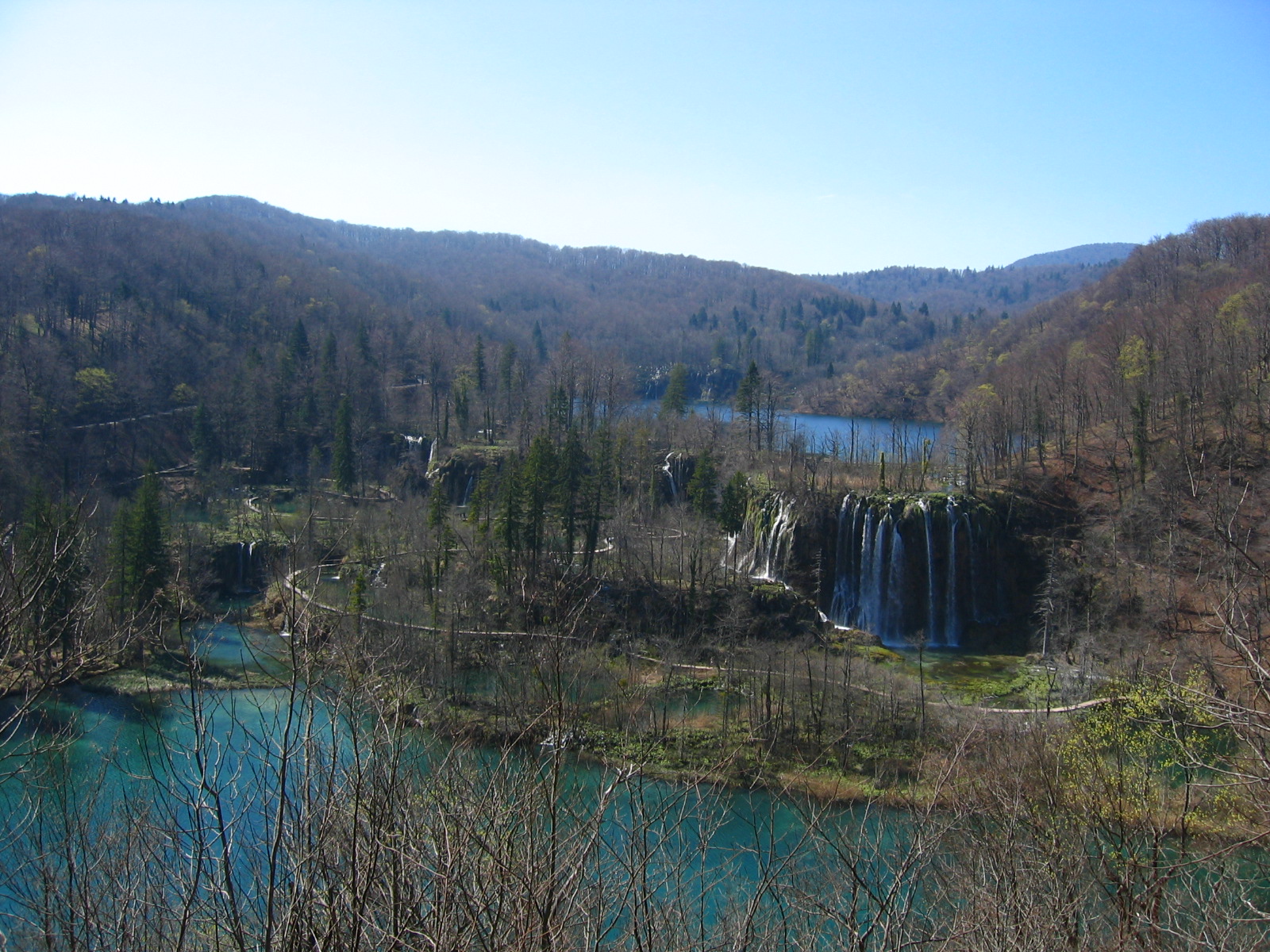
Milino jezero is one of the smallest lakes in Plitvice Lakes National Park in Croatia, tucked away among the Upper Lakes between Lake Galovac and Lake Gradinsko. Despite its modest size, its intimate feel and dense water vegetation make many visitors linger here longer than at the bigger, more famous lakes along the trail.
Where is Milino jezero located?
The lake sits at an altitude of roughly 564 metres, right in the heart of the Upper Lakes, the part of the park built mainly on dolomite bedrock. Milino jezero is fed by a cascade of small waterfalls flowing down from the higher Lake Galovac, and its outflow continues on toward Lake Gradinsko. This modest but essential link in the chain of sixteen lakes helps create the gradual, stepped drop in water level for which the park is famous worldwide.
What will you see at the lake?
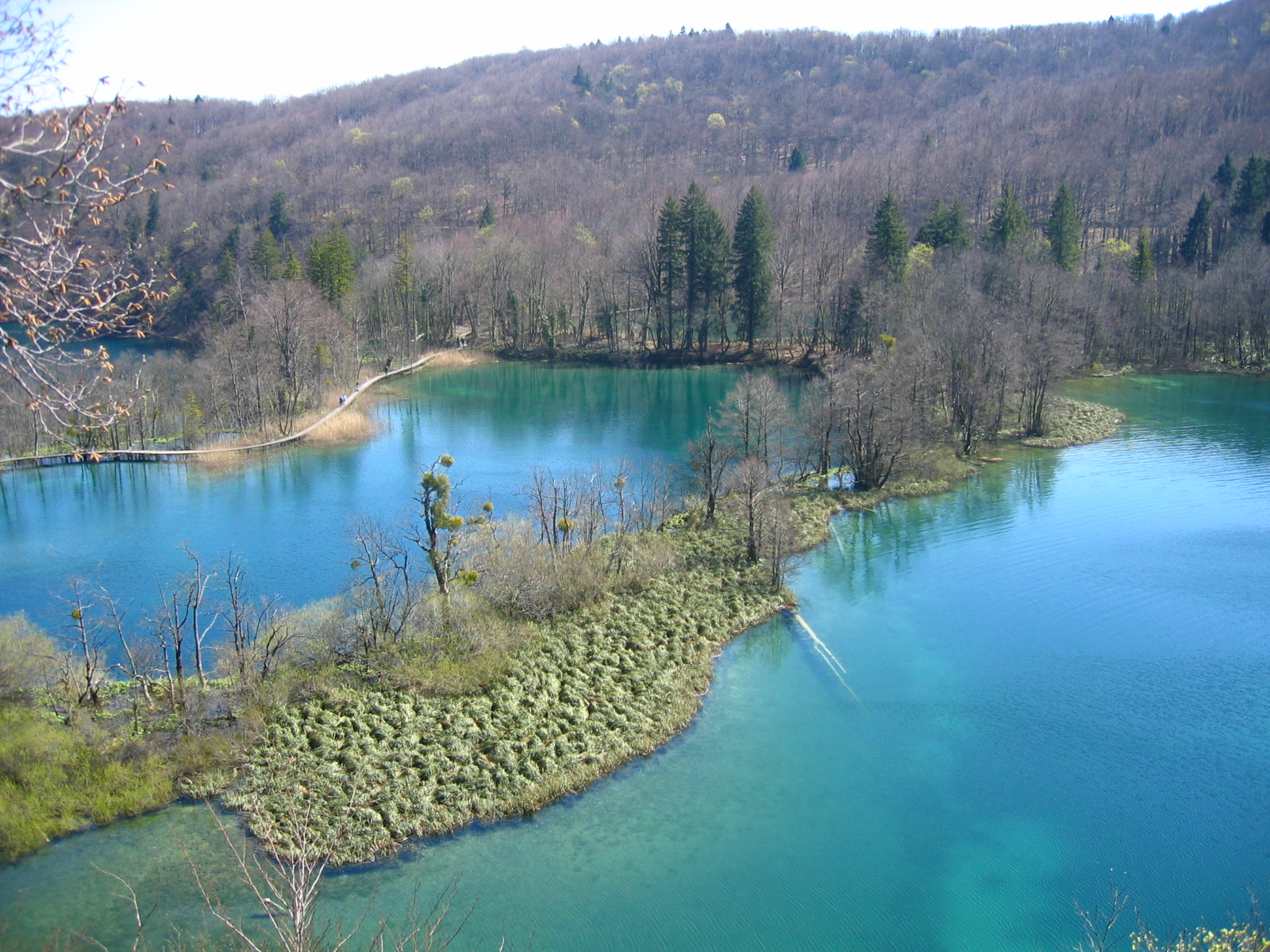
Milino jezero measures only about 40 metres in length and just over 20 metres in width, with a maximum depth in its central section of no more than 1 metre. Much of its shallow surface is covered with reeds, moss and other low-growing water plants, giving the spot a distinctly natural, almost fairy-tale atmosphere. A narrow wooden footpath runs around the lake, letting visitors walk its full perimeter and observe the plant life and the small cascades that feed it up close.
The lake's name comes from a local legend: according to residents of the area, it was named after a man called Mile from the Mirić family of Štropina, who is said to have drowned there. While the story belongs to local folklore, park guides still like to share it with visitors today.
How do you get to Milino jezero?
Milino jezero lies along the walking route through the Upper Lakes, reachable from the park's main entrances (Entrance 1 and Entrance 2). Visitors follow wooden boardwalks and paths that wind past a sequence of lakes — from Lake Prošće, through Ciginovac, Okrugljak, Batinovac, Veliko and Malo jezero, Vir and Galovac, on to Milino, and then further to Gradinsko and Kozjak. The route is well marked and needs no special preparation, though comfortable, non-slip footwear is recommended.
When is the best time to visit Milino jezero?
Late spring and early autumn are the best times to explore the Upper Lakes, including Milino jezero, when water levels are high and temperatures are pleasant for longer walks. Summer brings crowds to the boardwalks, especially at midday, so an early morning visit is a good idea. Winter shows the park a quieter, equally scenic side, though some paths may be closed depending on weather conditions.
Frequently asked questions
Is Milino jezero the main attraction of the Plitvice Lakes? No — it is one of the smallest lakes in the system, but it is valued for its peaceful character and close contact with nature, unlike the larger, better-known lakes in the park.
Can you swim in the lake? No, swimming in any of the lakes within Plitvice Lakes National Park is prohibited to protect the ecosystem.
How long does it take to reach Milino jezero? On the standard Upper Lakes route, reaching Milino jezero usually takes between 1.5 and 2.5 hours, depending on pace and photo stops.
Where does the lake's name come from? According to local legend, the lake was named after a man called Mile who is said to have drowned in it — a story passed down orally by locals and park guides.
Nearby places

Earn badges for the places you visit
Download NextOnTrip, discover new places and check off your trails.