About this place
Mikel Zabaltza Garate is a name tied to San Sebastián that commemorates a Basque bus driver whose death in 1985 became one of the most disturbing symbols of political repression in the Basque Country. The place associated with his name gives visitors a window into a difficult chapter of the city's and the region's recent history.
Who was Mikel Zabaltza Garate?
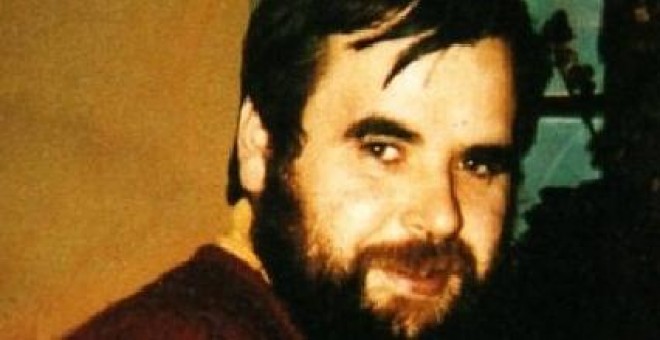
Mikel Zabaltza Garate (also written as Mikel Zabalza Garate) worked as a driver for San Sebastián's municipal transport service, operating the city's trolleybuses. He was an ordinary resident of the city until 1985, when he was taken into custody by the Spanish Civil Guard. Shortly afterward, his body was found in the Bidasoa River, which marks the border between Spain and France in the Basque Country, a short distance east of San Sebastián.
What happened in 1985?
For decades, the official account of his death was disputed by Basque human rights groups. It took 35 years of inaction by the Spanish judicial system before it was finally established that Zabaltza died as a result of torture inflicted by Civil Guard officers at the Intxaurrondo barracks, a facility located within San Sebastián itself. It was there that he was held and interrogated before his body ended up in the river.
Why does San Sebastián remember this story?
The case of Mikel Zabaltza Garate has become one of the symbols of the long struggle to bring state violence against Basque citizens during Spain's political transition to light. Decades of institutional silence, and the lack of accountability for those responsible, mean that his name today serves as a reference point in San Sebastián's ongoing conversation about historical memory. For residents of the Basque Country, this is not distant history — the Intxaurrondo barracks still stand in the city, and Zabaltza's name remains part of the local identity and the debate over reckoning with the past.
When and how to visit this memory site?
San Sebastián is easy to reach: the city has its own airport, good rail connections to Madrid, Barcelona, and France, and the Intxaurrondo district lies just a few kilometres from the centre, reachable by city bus. Visitors interested in the history of political repression in the Basque Country can treat this place as a complement to the city's better-known attractions, alongside its beaches and old-town landmarks. It's worth visiting at a quieter moment, suited to reflection rather than a rushed sightseeing pace — this is a place of a different character than San Sebastián's typical tourist stops.
Frequently asked questions
Who was Mikel Zabaltza Garate? A Basque bus (trolleybus) driver employed by San Sebastián's municipal transport service, detained by the Civil Guard in 1985.
How did Mikel Zabaltza Garate die? He died as a result of torture inflicted by Civil Guard officers at the Intxaurrondo barracks in San Sebastián, a fact confirmed only after 35 years of investigation.
Where was Zabaltza's body found? In the Bidasoa River, which marks the Spanish-French border in the Basque Country, near San Sebastián.
Why does this story matter to San Sebastián? It symbolises the struggle to expose state violence against Basque citizens and remains a significant part of the city's historical memory.
Nearby places

Earn badges for the places you visit
Download NextOnTrip, discover new places and check off your trails.