About this place
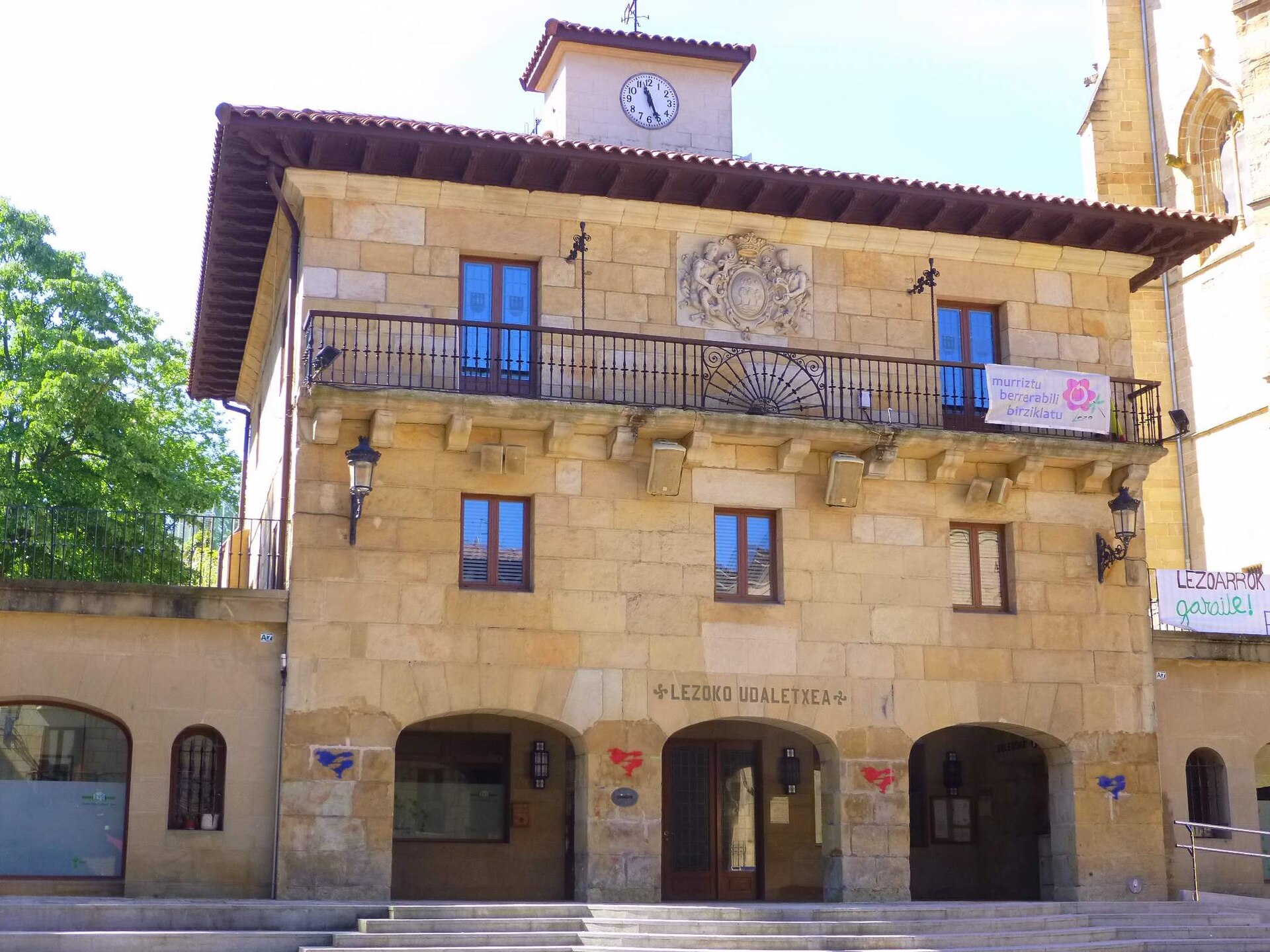
Karlos Saldise is a small square in the Lezo district, part of the municipality of Pasaia in the Oarsoaldea region of Gipuzkoa. It has a distinctly local, neighborhood feel — the kind of spot in the Basque Country where recent history quietly overlaps with everyday life, and visitors tend to pass through on a walk rather than seek it out as a headline attraction.
Why is the square named after Karlos Saldise?
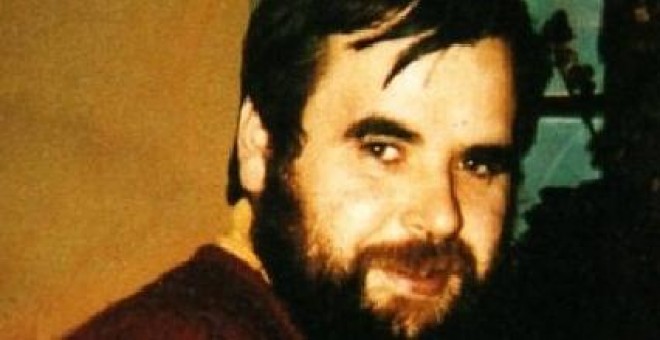
The square honors Karlos Saldise Korta, born in 1947 in Pasai Donibane. He moved to Lezo in 1976 and became active in the local Amnesty Committee (Gestoras pro Amnistía). On 16 January 1980 he was shot dead as he was about to enter the elevator of his home on Uralburu street. Two paramilitary groups, the Batallón Vasco Español and the Grupos Armados Españoles, claimed responsibility, but the case was shelved after three months without a formal investigation. In 2024, under Basque regional law, Saldise was officially recognized as a victim of human rights violations. The square in Lezo stands as a lasting tribute to him.
What will you find there?
This is a modest public space surrounded by the residential buildings typical of Lezo — there's no grand monument or elaborate visitor infrastructure. Its value lies in what it represents. Every year on the anniversary of his death, 16 January, the square hosts low-key commemorative events, organized in part by local memory associations such as Fundación Egiari Zor, which held a tribute here on the 40th anniversary of the killing in 2020. For anyone interested in the recent history of the Basque Country and the period known as the "dirty war," this is an authentic, non-commercial site of remembrance rather than a curated museum stop.
How do you get to Karlos Saldise Square?
The square sits in the center of Lezo, close to the GI-3440 road and Auñamendi street. The easiest way to reach it is by bus — the nearest stop, Lezo–Jaizkibel, is served by regional lines connecting Lezo with neighboring towns in Oarsoaldea, including Pasaia and Donostia-San Sebastián. The area is easily walkable from the rest of Lezo, and the square also lies along footpaths heading toward the nearby Jaizkibel ridge, a well-known destination for hikers in the area.
When is the best time to visit?
As an ordinary town square, it's open and accessible year-round. If the historical dimension interests you, plan a visit around 16 January, when the annual commemoration takes place. For travelers combining sightseeing with outdoor activity, it's worth pairing a brief stop at the square with a longer walk or hike toward Jaizkibel, which offers views over the Bay of Biscay coastline.
Frequently asked questions
Who was Karlos Saldise? He was a member of the Amnesty Committee in Lezo, murdered in 1980 by paramilitary groups active during Spain's so-called "dirty war." In 2024 he was formally recognized as a victim of human rights violations.
Is there a monument or plaque at the square? The square itself functions as a symbolic memorial point for the people of Lezo, where an annual commemorative ceremony is held in his honor.
What's the best way to get to Lezo from Pasaia or San Sebastián? The regional Oarsoaldea bus network is the simplest option — get off at the Lezo–Jaizkibel stop, just a few minutes' walk from the square.
Is it worth combining with another nearby attraction? Yes — the square is close to trails leading up to Mount Jaizkibel, so you can easily pair a short historical stop with a hike and coastal views.
Nearby places

Earn badges for the places you visit
Download NextOnTrip, discover new places and check off your trails.