About this place
The mass grave at the Cueva de Humarraña lies within Merindad de Montija, a municipality in the province of Burgos in northern Spain. This limestone cave, near the hamlet of El Crucero (Loma de Montija), became in August 1936, at the outbreak of the Spanish Civil War, a site where victims of Francoist repression were executed and their bodies concealed. It is one of dozens of such sites documented across Las Merindades, a region where mass graves from the war have been extensively catalogued by local memory associations.
What happened here?
In the summer of 1936, bodies of people killed by forces backing the military uprising were thrown into the cave. Among the victims was Rufino Balbás, secretary of the Manzanedo town council, and a schoolteacher who was taken directly from the classroom and shot. Local accounts also mention a rare case: a man who survived being shot and managed to escape, later emigrating to France. According to victims' relatives, the cave may hold the remains of as many as forty people, although this figure has never been confirmed through complete forensic work.
What will you see on site?
The location is a natural karst cave set in the limestone hills and valleys typical of Las Merindades. There is no visitor infrastructure here — this is primarily a historical and memorial site, visited mostly by people researching the Civil War or by relatives of the victims. Nearby, look for markers and materials from local historical memory associations, which have spent years documenting sites like this one across the region.
How do you get there?
Merindad de Montija sits in the northern part of Burgos province, close to the border with Cantabria, in the valley of the River Trueba. The easiest way to reach it is by car — about an hour's drive from Burgos, somewhat longer from Santander or Bilbao depending on the mountain route taken. The cave itself is in a rural setting, so it's worth confirming the exact access route with local memory associations or municipal authorities beforehand.
When should you visit?
Las Merindades has a mountain climate, with cold winters and mild summers. May through October is the best window for exploring the surrounding hills and valleys on foot and for visiting memorial sites in reasonable weather. Keep in mind that the cave and its surroundings are primarily a place for historical reflection, not a recreational destination.
Why is this history worth knowing?
The mass grave at Cueva de Humarraña is part of a broader, ongoing effort to locate and document sites of Civil War repression across Spain. Exhumation work carried out in 2009 by the Foro por la Memoria association uncovered the remains of two individuals near the cave's surface, a discovery reported to Investigating Court No. 2 in Villarcayo (Case No. 261/09). Further work was subsequently halted by court order, leaving the full number of victims unconfirmed. Visiting this site offers a way to understand the scale of repression in small, rural communities of Castile and León, and the ongoing efforts of families and historians to restore the victims' memory.
Frequently asked questions
Where exactly is the Cueva de Humarraña? In the municipality of Merindad de Montija, Burgos province, near the hamlet of El Crucero (Loma de Montija), at coordinates 43.1026, -3.4801.
How many people died at this site? The remains of three individuals have been confirmed so far, though families of the victims believe the cave may hold as many as forty. This number has not been verified through complete forensic investigation.
Is the site marked and open to visitors? It is a historical memorial site without dedicated tourist infrastructure. Information about access is best obtained from local historical memory associations.
Was exhumation work carried out here? Yes. In May and June 2009, the Foro por la Memoria association uncovered the remains of two individuals near the cave's surface. The case was reported to the court in Villarcayo, but further exhumation work was halted.
Nearby places
-
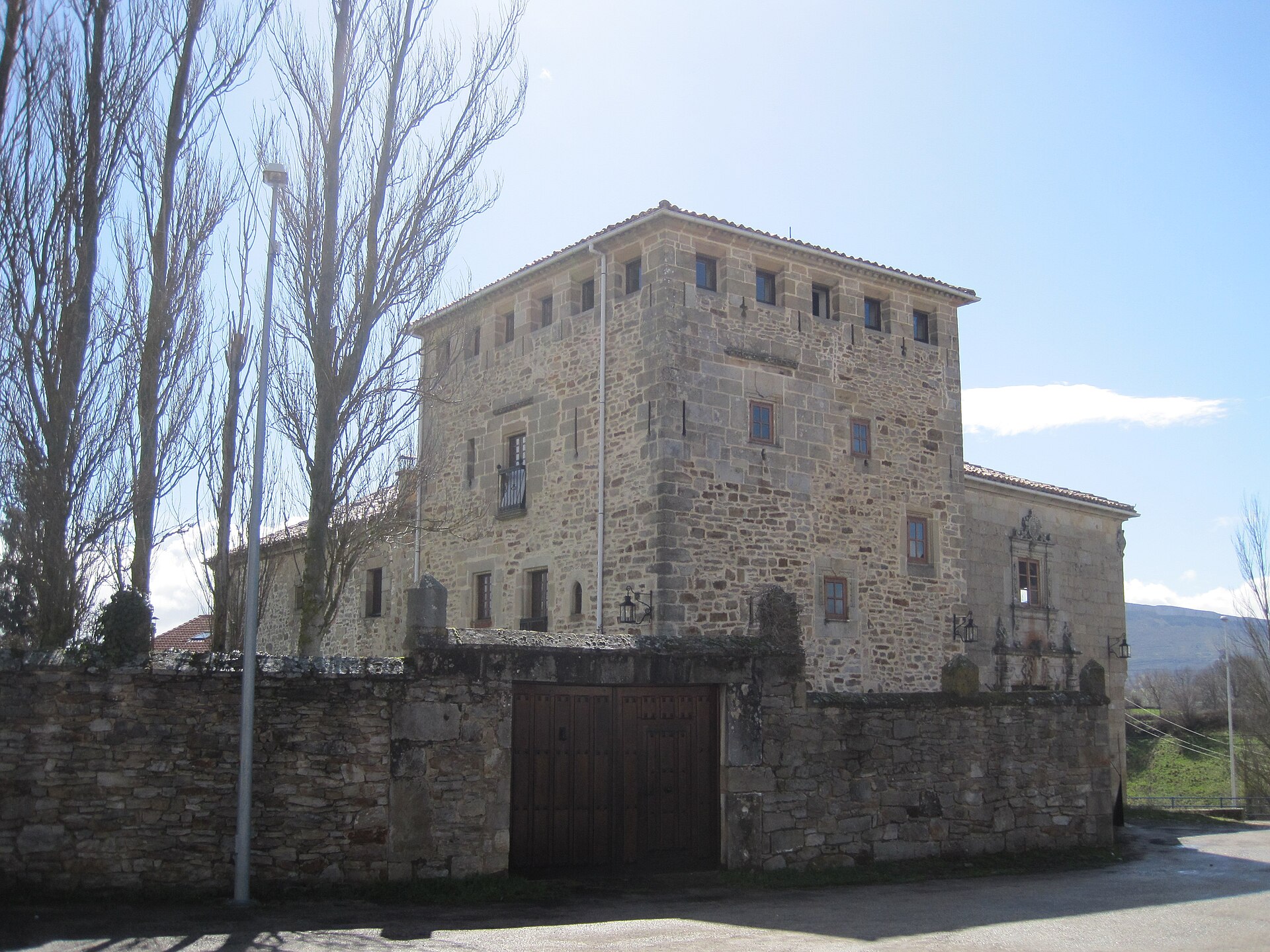
Fernández-Villa's Palace, Espinosa de los Monteros
Espinosa de los Monteros
-

Torre de los Cantimplor
Espinosa de los Monteros
-
Torre de las Herradoras
Espinosa de los Monteros
-
Chiloeches Palace, Espinosa de los Monteros
Espinosa de los Monteros
-
Espinosa de los Monteros town hall
Espinosa de los Monteros
-
Tower of Castrobarto de Losa
Junta de Traslaloma
Earn badges for the places you visit
Download NextOnTrip, discover new places and check off your trails.