About this place
Mare de Déu del Pont d'Orís is a former Romanesque chapel in the municipality of Gavet de la Conca, in the Pallars Jussà region of Lleida province, Catalonia. It stood on a narrow strip of land between the Noguera Pallaresa and the Gavet stream, right where the two watercourses meet — hence the "Pont d'Orís" (bridge of Orís) part of its name.
Where is the chapel located?
The remains sit within the municipality of Gavet de la Conca, close to the village of the same name, in the narrow Noguera Pallaresa valley typical of this stretch of the Pyrenees. The surrounding landscape is mountainous and sparsely populated, and still feels like deep countryside today — most visitors pass through on their way to Tremp or the Sant Antoni reservoir rather than seeking this spot out as a destination in itself.
What is the history behind it?
The chapel had Romanesque origins and served for centuries as a place of worship for people scattered across the surrounding villages — hosting baptisms, weddings, and local religious feasts. Its end, however, came not from war or fire but from modernization: the building was destroyed during construction work on a hydroelectric plant in Gavet. Throughout the 20th century, the Noguera Pallaresa valley was heavily reshaped for hydropower — dams, channels, and power stations were built to feed Catalonia's growing industry, and older rural structures, including churches, were frequently sacrificed to make way for that infrastructure.
What can visitors see there today?
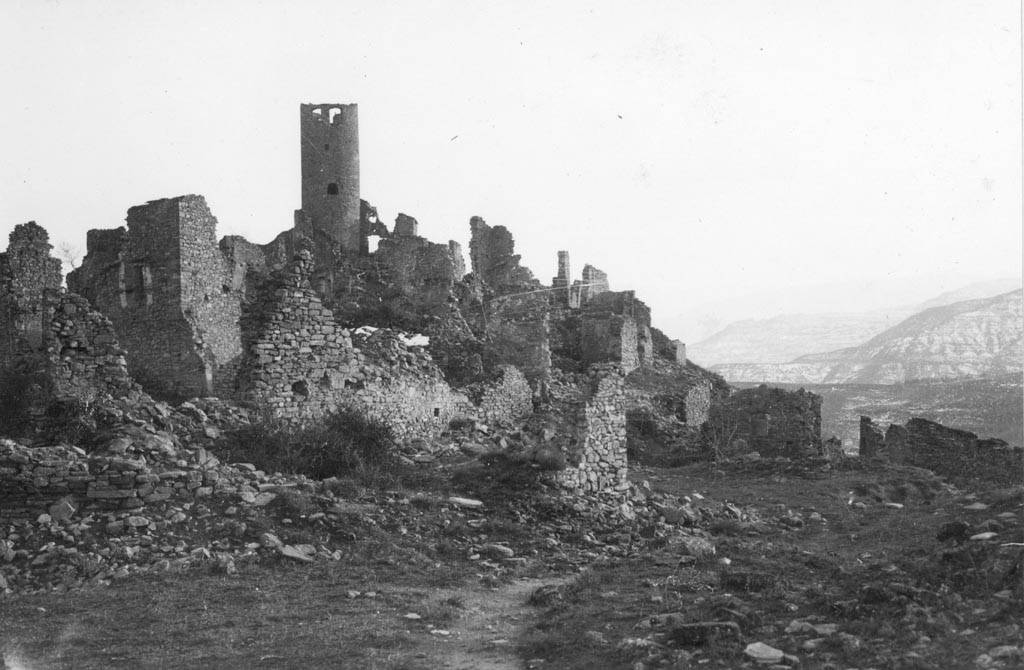
The original chapel no longer stands intact — what remains on site are wall fragments and the location itself, now overshadowed by nearby hydroelectric installations. This is a spot for people interested in the region's history and the religious heritage of Pallars Jussà rather than for those hoping to see striking architecture — its value lies in the story and the riverside setting rather than in what physically remains.
How do you get there?
Tremp, the main town of the Pallars Jussà region, makes the best base for reaching the site, with local roads leading toward Gavet de la Conca from there. The route runs through landscape typical of the area: narrow river valleys, rocky terraces, and small villages. A car is essentially required, since public transport in this part of the Pyrenees is very limited.
When is the best time to visit?
Spring and autumn are the best seasons, when temperatures in the Pallars Jussà valleys are mild and the scenery — especially in autumn, when the foliage turns — is at its most striking. Summers can get hot, while winter sometimes brings snow and difficult mountain roads.
Frequently asked questions
Can you still visit the Mare de Déu del Pont d'Orís chapel today? The building no longer survives in its original form — it was destroyed during the construction of a hydroelectric plant. On site, visitors will find only the surroundings and scattered remains, not an intact religious building.
Why was the chapel destroyed? It was demolished for hydroelectric infrastructure works in Gavet, a common fate for older buildings along the Noguera Pallaresa valley, which was extensively developed for hydropower during the 20th century.
Are there other religious sites worth visiting nearby? The municipality of Gavet de la Conca has a rich tradition of village chapels and churches scattered across its various hamlets — it's worth asking locally about other nearby religious sites.
What's the best way to plan a visit? Base yourself in Tremp and drive from there — it's the most practical approach given how limited public transport is in this part of Pallars Jussà.
Nearby places

Earn badges for the places you visit
Download NextOnTrip, discover new places and check off your trails.