About this place
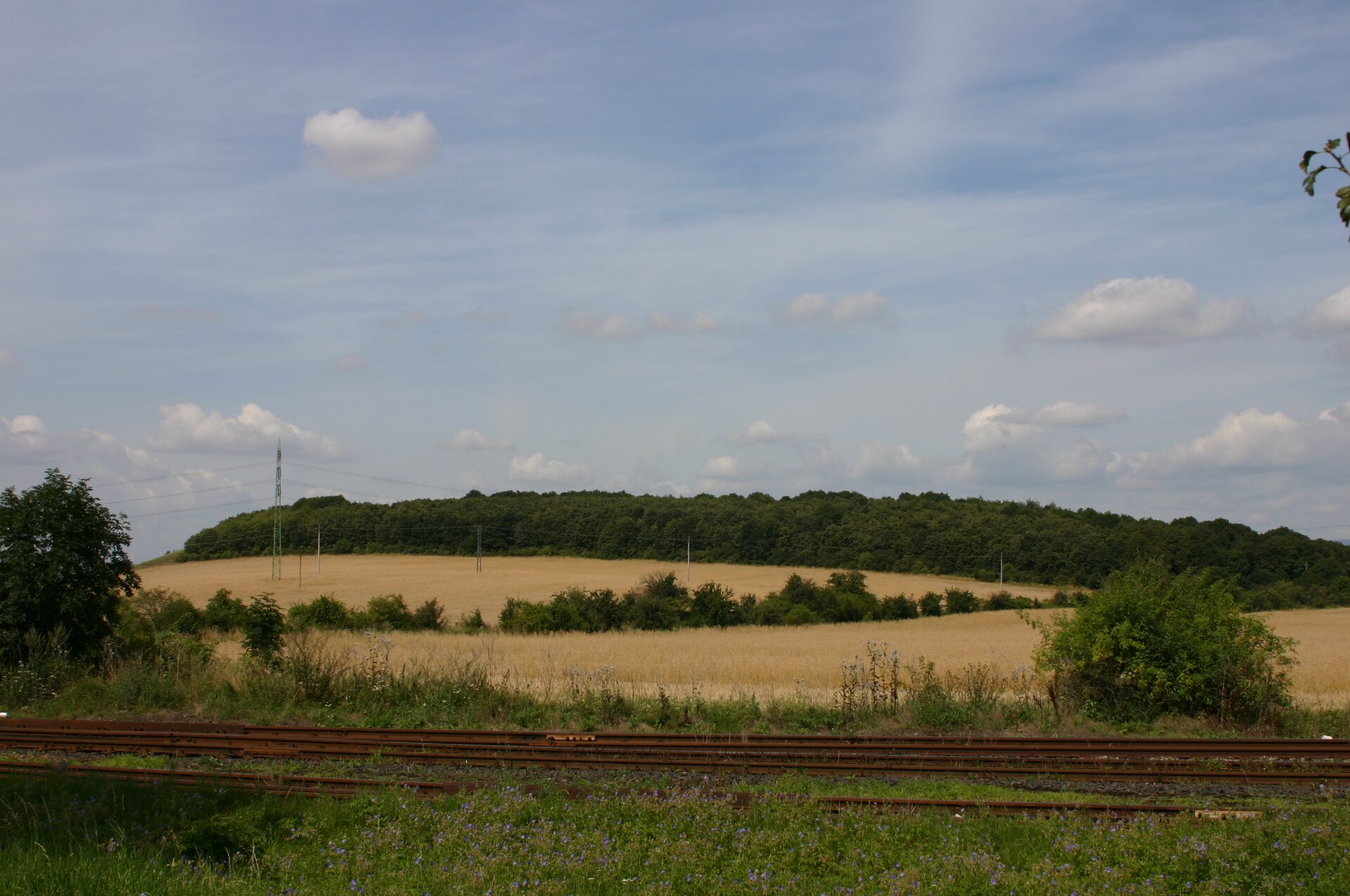
Lužické šipáky is a small but botanically remarkable nature reserve set on a steep hillside above the road connecting the villages of Lužice and Dobrčice, in the Most District of northern Czechia. The site lies roughly 300 metres east of Lužice and about 9 kilometres from the town of Most, within the first zone of the České středohoří Protected Landscape Area. The reserve's name refers to the very tree it was created to protect — the downy oak, locally known as "šipák."
Why was the reserve established?
The reserve was declared on 30 June 1993 specifically to protect a population of downy oak (Quercus pubescens). More than 200 specimens grow here on a modest area, spanning every age class from young saplings to very old, strikingly gnarled trees whose shapes have been sculpted by wind and by the steep, sun-exposed slope. The downy oak is typically found in the warmer, drier regions of Central and Southern Europe, and this site marks one of its more northerly outposts in Czechia.
What lies beneath the surface?
The reserve's geological base consists of basalt interlayered with chalky (Cretaceous) sediments. Soils derived from this bedrock are rich in clay minerals, which makes the slope inherently unstable — landslides occur relatively frequently both within the reserve and in its surroundings. This constantly shifting, periodically exposed terrain favours pioneer species and plants adapted to open, sun-baked ground, while also keeping denser forest vegetation from taking over the slope.
Steppe and forest-steppe vegetation
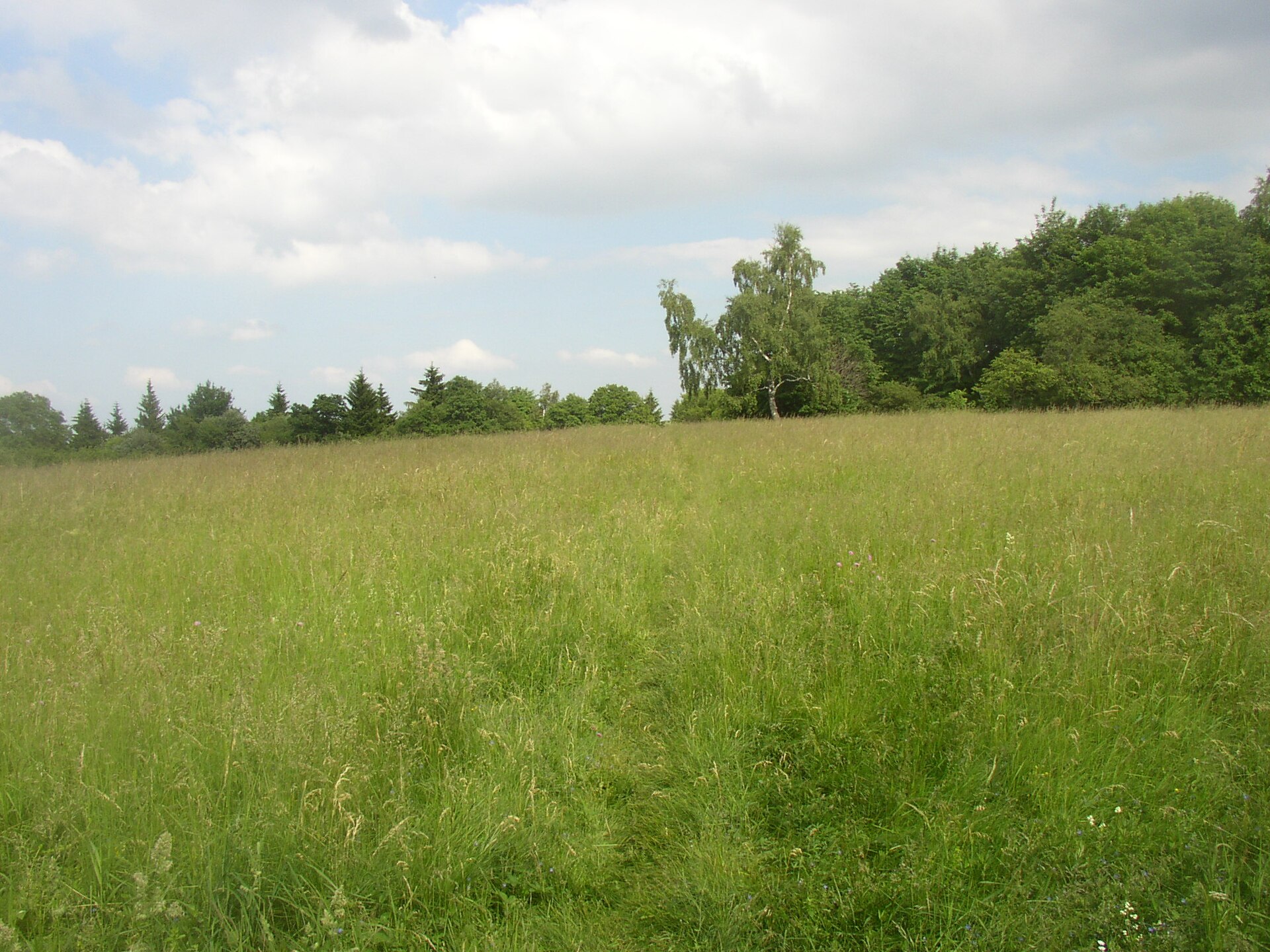
Depending on the slope's exposure and gradient, vegetation at Lužické šipáky ranges from steppe-like plant communities through forest-steppe formations to patches of more closed woodland. In the open spaces between shrubs, downy oak forms a defining element of the forest-steppe landscape, creating loose, light-filled stands typical of this habitat type. Among the steppe grassland and undergrowth, rarer plant species also occur, including feather grass and sand sainfoin (Onobrychis arenaria) — both suited to a warm microclimate and to poor, well-drained soils.
Ecological significance
Lužické šipáky exemplifies a mosaic-type xerothermic habitat, where steppe grassland, scrub and open woodland coexist within a small area. Such habitats have become increasingly scarce across Czechia, since dry, heat-loving grasslands on steep slopes are easily lost either to encroaching forest when grazing stops, or to degradation when surrounding land is farmed too intensively. Reserve status is meant to preserve this habitat mosaic along with the site's unusual population of ancient downy oaks.
Frequently asked questions
Where exactly is Lužické šipáky located? The reserve sits on a slope above the road between Lužice and Dobrčice, about 300 m east of Lužice and 9 km from Most, in the Most District of the Ústí nad Labem Region.
What is the reserve's main conservation focus? A population of more than 200 downy oaks ("šipák") of varying ages, together with the accompanying steppe and forest-steppe vegetation.
When was the reserve created? It was declared a nature monument on 30 June 1993, within the České středohoří Protected Landscape Area.
Are there any rare plants to look out for? Yes — besides downy oak, the site hosts species such as feather grass and sand sainfoin, both characteristic of dry, warm steppe grasslands.
Is the terrain safe to walk? Because of the clay-rich soil and steep gradient, landslides do occur, so visitors should stay on marked paths and take care underfoot.
Nearby places

Earn badges for the places you visit
Download NextOnTrip, discover new places and check off your trails.