About this place
Lukina jama is the deepest cave in Croatia, hidden in the North Velebit massif near the coastal village of Stinica. It is one of the most striking, though practically inaccessible, speleological sites in Europe.
What is Lukina jama?
Lukina jama plunges 1431 meters deep, making it the deepest cave in Croatia and one of the deepest in the world. It lies within the Hajdučki i Rožanski kukovi strict nature reserve, part of North Velebit National Park. This section of the Velebit range is known among cavers for hosting cave systems with some of the largest vertical drops found anywhere, placing it among the most important karst areas on the continent.
The cave was discovered in 1991 by Slovak cavers. The main exploration campaign took place between 1993 and 1995, carried out by the Speleology Commission of the Croatian Mountaineering Association, with further scientific expeditions returning to the cave in 2010, 2011, and 2013. The name is not incidental: Lukina jama is named after Ozren Lukić, known as "Luka," a caver who died as a Croatian soldier during the war of independence fought on Velebit.
Can you actually visit the cave?
No. Lukina jama is a purely speleological site that requires multi-day expeditions, specialized rope-climbing equipment, and experience in vertical cave exploration. Descending to a depth of over 1400 meters is comparable in difficulty to a serious mountaineering expedition, and it is only undertaken by organized caving teams with permission from the national park authority. For an ordinary visitor, the cave itself is physically off-limits — it remains primarily a scientific site and a symbol of Velebit's remarkable geology.
What else is there to see nearby?
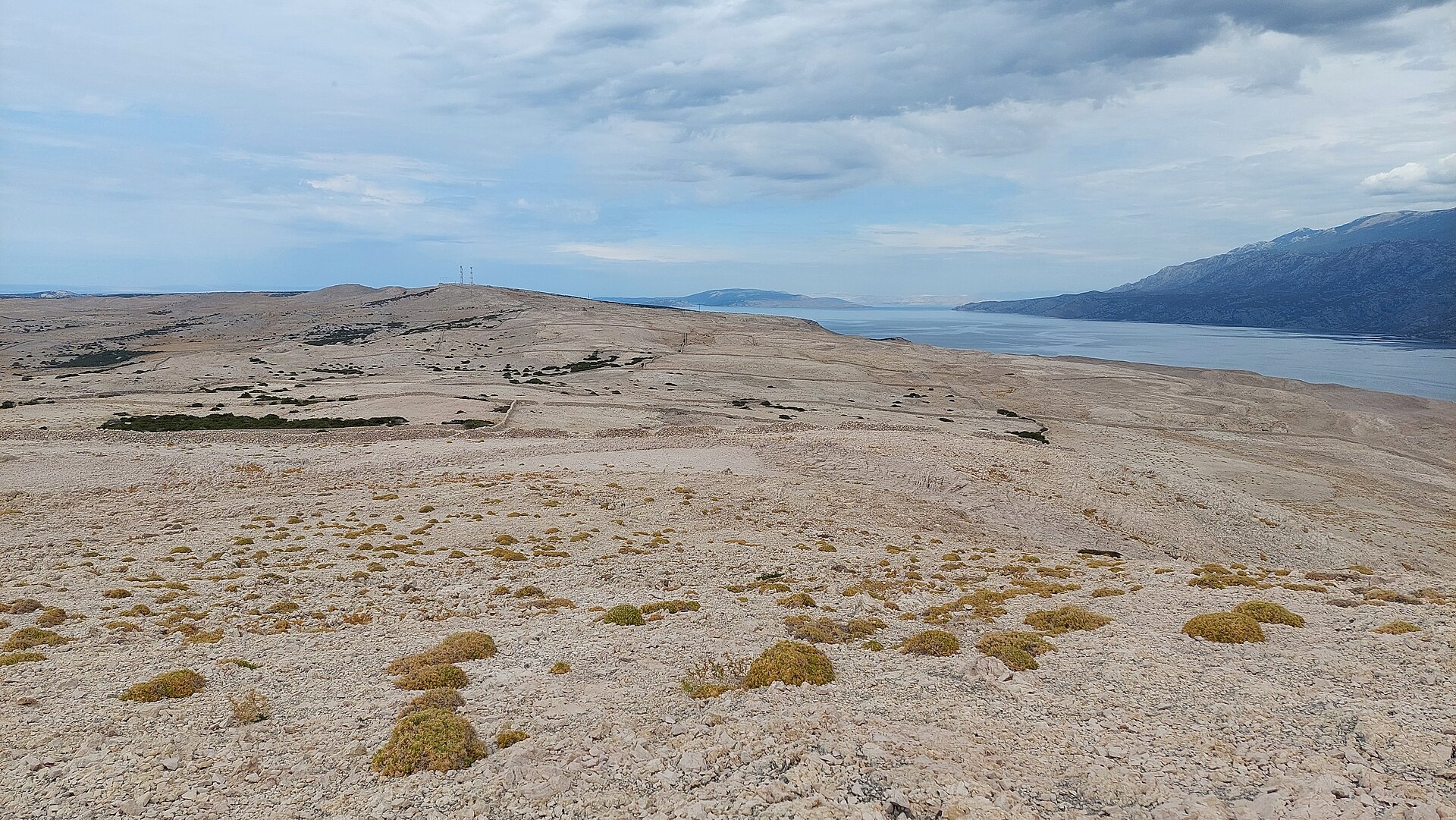
While the cave itself cannot be visited, the wider North Velebit region is worth the trip on its own. North Velebit National Park covers a rugged, rocky mountain range with extensive karst terrain, deep valleys, and rich, often endemic flora and fauna typical of the high Dinaric mountains. It's a destination for travelers looking for wild, uncrowded nature, standing in sharp contrast to the busier Adriatic coastline that lies right at the foot of the massif. Stinica itself, as a small coastal settlement, can serve as a convenient jumping-off point toward Velebit while still offering easy access to the sea.
When is the best time to go?
Conditions in the high-altitude parts of Velebit, including the strict reserve area, are harsh and changeable — snow and low temperatures can linger for much of the year. Summer months tend to offer the most favorable conditions for exploring the national park, when trails and higher terrain are more accessible. That said, any trip into these mountains should be planned with a time buffer and proper preparation, given the wild, largely undeveloped character of the terrain.
Frequently Asked Questions
How deep is Lukina jama? The cave reaches a depth of 1431 meters, making it the deepest cave in Croatia.
Who discovered Lukina jama? It was discovered in 1991 by Slovak cavers, with further exploration led by the Speleology Commission of the Croatian Mountaineering Association.
Where does the cave's name come from? The cave is named after Ozren Lukić, nicknamed "Luka," a caver who died as a Croatian soldier during the war of independence on Velebit.
Can tourists enter the cave? No — descending into Lukina jama requires specialized equipment and caving experience, so access is limited to organized scientific expeditions.
Nearby places

Earn badges for the places you visit
Download NextOnTrip, discover new places and check off your trails.