About this place
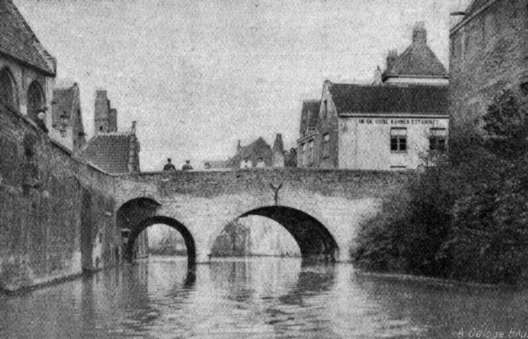
Leeuwenbrug – the Lion Bridge over the Speelmansrei in Bruges
Leeuwenbrug, or Lion Bridge, is a small but distinctive bridge in the historic centre of Bruges, linking two sections of Leeuwstraat across the Speelmansrei canal. It doesn't sit on the city's main tourist route, yet it draws the attention of passers-by thanks to the two stone lions guarding the crossing and the quiet, picturesque canal setting around it.
Where does the bridge's name come from?
The current structure dates from 1627 and was built by Bruges master mason Jan de Wachter. A few years later, between 1628 and 1630, the city council decided the crossing deserved a more distinguished look and commissioned sculptor Jeroom Stalpaert to create two lions for it. The figures, their front paws resting on a shield stamped with the Gothic letter B — the symbol of Bruges — still stand on either side of the bridge today. The official name "Leeuwbrug" was only granted in 1792, even though the lions had already adorned the bridge for close to a century and a half.
Which canal does the bridge cross?
Leeuwenbrug spans the Speelmansrei, a gently curved canal whose history stretches back well before the bridge itself. It was originally called "Poortgracht", a name tied to the construction of the city's first defensive wall in 1127. Its current name comes from the chapel of the Speellieden (musicians), built between 1433 and 1482 near the water. This stretch of canal, framed by historic buildings, forms the backdrop to the bridge and keeps the spot feeling quiet and largely untouched by mass tourism despite its closeness to the centre.
Which street runs across the bridge?
The bridge connects two segments of Leeuwstraat, a street with its own layered history. It originally ran from Geerwijnstraat to the Leeuwbrug itself, later extended to Oude Zak when the city's second defensive wall was built. Its current name, confirmed in 1792, is a corrupted form of the older name "Leestraat", referring to the "lee", a small watercourse. Unassuming as it looks, the street forms part of the oldest historic core of Bruges.
Why is it worth a visit?
Leeuwenbrug is a good example of how Bruges pairs functional architecture with artistic care — even a modest municipal bridge was given sculptural decoration to raise its standing. For visitors, that means a chance to discover a quieter corner of the city, where stone lions, still canal water, and a narrow street combine into an intimate glimpse of seventeenth-century Bruges, far from the crowds around the Markt or Groenerei.
Frequently asked questions
When was Leeuwenbrug built? The current bridge dates from 1627, with the lion sculptures added a few years later, between 1628 and 1630.
Who designed the lions on the bridge? The sculptor Jeroom Stalpaert created them on commission from the city authorities.
Which canal does the bridge cross? It crosses the Speelmansrei, a canal whose origins trace back to the city's medieval fortifications.
When did the bridge receive its current name? The name "Leeuwbrug" was officially adopted in 1792.
Nearby places

Earn badges for the places you visit
Download NextOnTrip, discover new places and check off your trails.