About this place
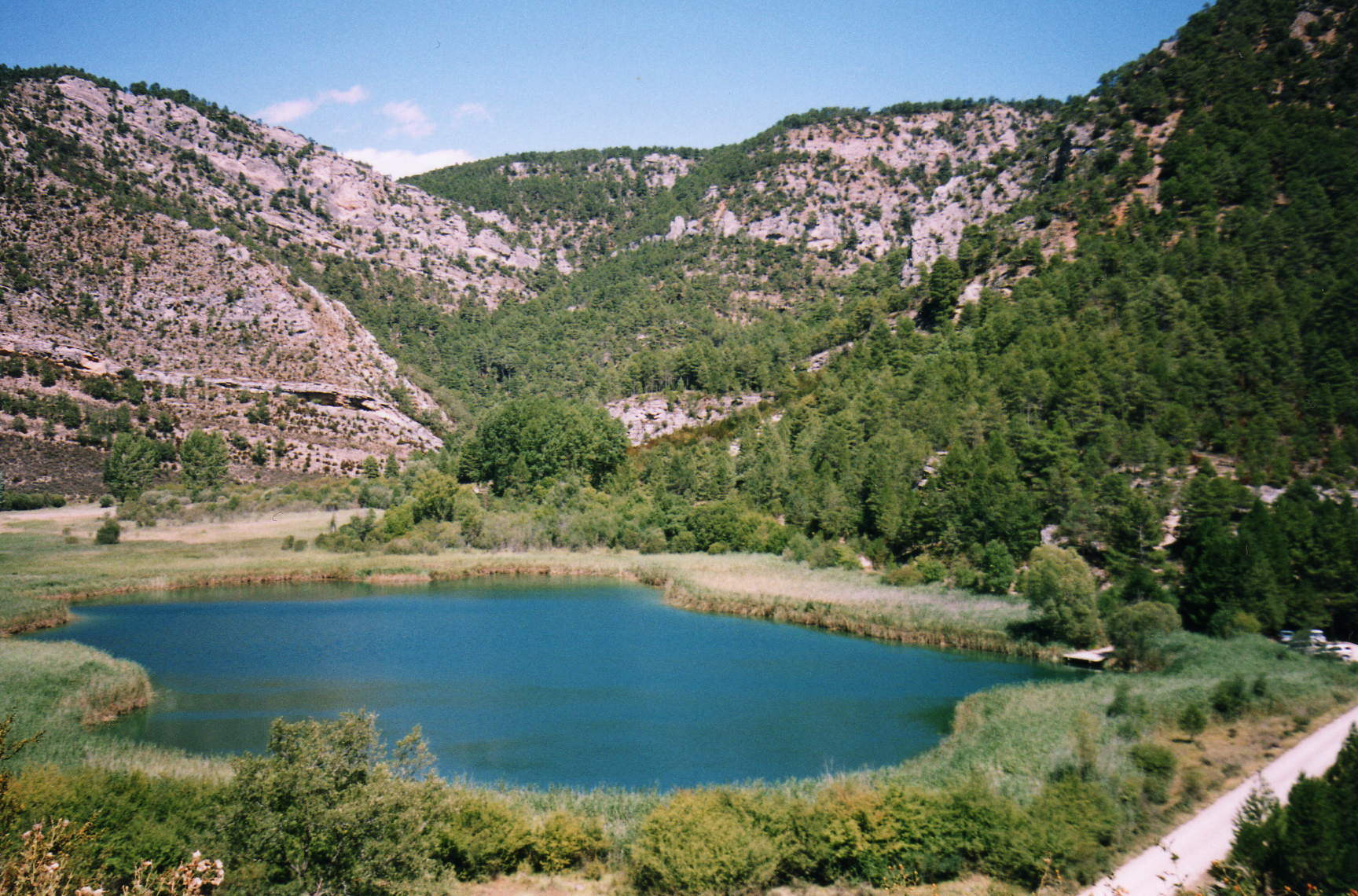
Laguna Llana sits in the municipality of La Yunta, a small village in the province of Guadalajara, in Castile-La Mancha, Spain. It's one of three main lagoons within the municipal territory, alongside Laguna de la Méndez and Laguna Nueva, forming a landscape of high plateau wetlands where water comes and goes with the seasons.
Where is Laguna Llana?
The lagoon lies within La Yunta (postal code 19361), in the comarca of Molina de Aragón-Alto Tajo, near the border between Castile-La Mancha and Aragón. It's a quiet corner of Spain — the village itself is tiny, surrounded by the open, windswept highlands known locally as "paramera." The whole area belongs to the Molina-Alto Tajo UNESCO Global Geopark.
What will you see at Laguna Llana?
Laguna Llana is a temporary lagoon: its water level depends directly on rainfall, so it can shrink dramatically in dry months and refill after a wet spring. That rhythm shapes when the site comes alive — the damp habitat draws waterbirds and waders, while the surrounding steppe supports species typical of Spain's dry inland plateaus.
Together with its neighboring lagoons, Laguna Llana forms part of the "Lagunas y Parameras del Señorío de Molina" Natural Monument, which spans more than 6,000 hectares across eight municipalities, including La Yunta. The area is protected under the Natura 2000 network (as both a Special Protection Area and a Site of Community Importance). It ranks among the last European breeding grounds for the threatened Dupont's lark, and also hosts great bustard, little bustard, stone curlew and pin-tailed sandgrouse — birds tied to the Iberian steppe. In the rockier stretches of the geopark, birds of prey such as Bonelli's eagle, griffon vulture and bearded vulture nest as well.
The plant life around the lagoons is just as distinctive: the rare aquatic fern Marsilea strigosa grows here, while the drier slopes are covered in thyme scrub, heathland, and woods of holm oak, Pyrenean oak and Portuguese oak mixed with juniper.
What else is there to see in La Yunta?
Small as it is, the village carries real heritage. Its 17th-century parish church, built on a Latin-cross floor plan, houses an organ dating from 1808. Nearby stands a 14th-century medieval tower, the Torreón, which today holds a small ethnographic museum. Scattered across the surrounding countryside are several chapels — including those of San Amancio, San Roque and San Gregorio — along with an old mill, a communal washhouse, stone "pairones" and wayside crosses, all remnants of the region's farming past.
When is the best time to visit?
Spring and early summer are the best months to come — the lagoons hold the most water then, and birds are at their most active, which makes for the best wildlife watching. By late summer, dry conditions can leave the lagoon much reduced, so it's worth planning a birdwatching trip around the wetter season.
Frequently asked questions
Does Laguna Llana hold water all year round? No — it's a temporary, rainfall-dependent lagoon. It's fullest in spring and can partially dry out over summer.
What birds can be seen at the lagoon? The region is a stronghold for steppe birds, including the threatened Dupont's lark, great bustard, little bustard and stone curlew, plus Bonelli's eagle and griffon vultures in the geopark's rockier areas.
Is the area protected? Yes. Laguna Llana lies within the "Lagunas y Parameras del Señorío de Molina" Natural Monument and the Natura 2000 network, and the wider region forms part of the Molina-Alto Tajo UNESCO Global Geopark.
What else can you see in La Yunta besides the lagoons? The village's 17th-century parish church with its historic organ, the medieval Torreón tower housing an ethnographic museum, and several scattered chapels and remnants of traditional farm buildings are all worth a visit.
Nearby places

Earn badges for the places you visit
Download NextOnTrip, discover new places and check off your trails.