About this place
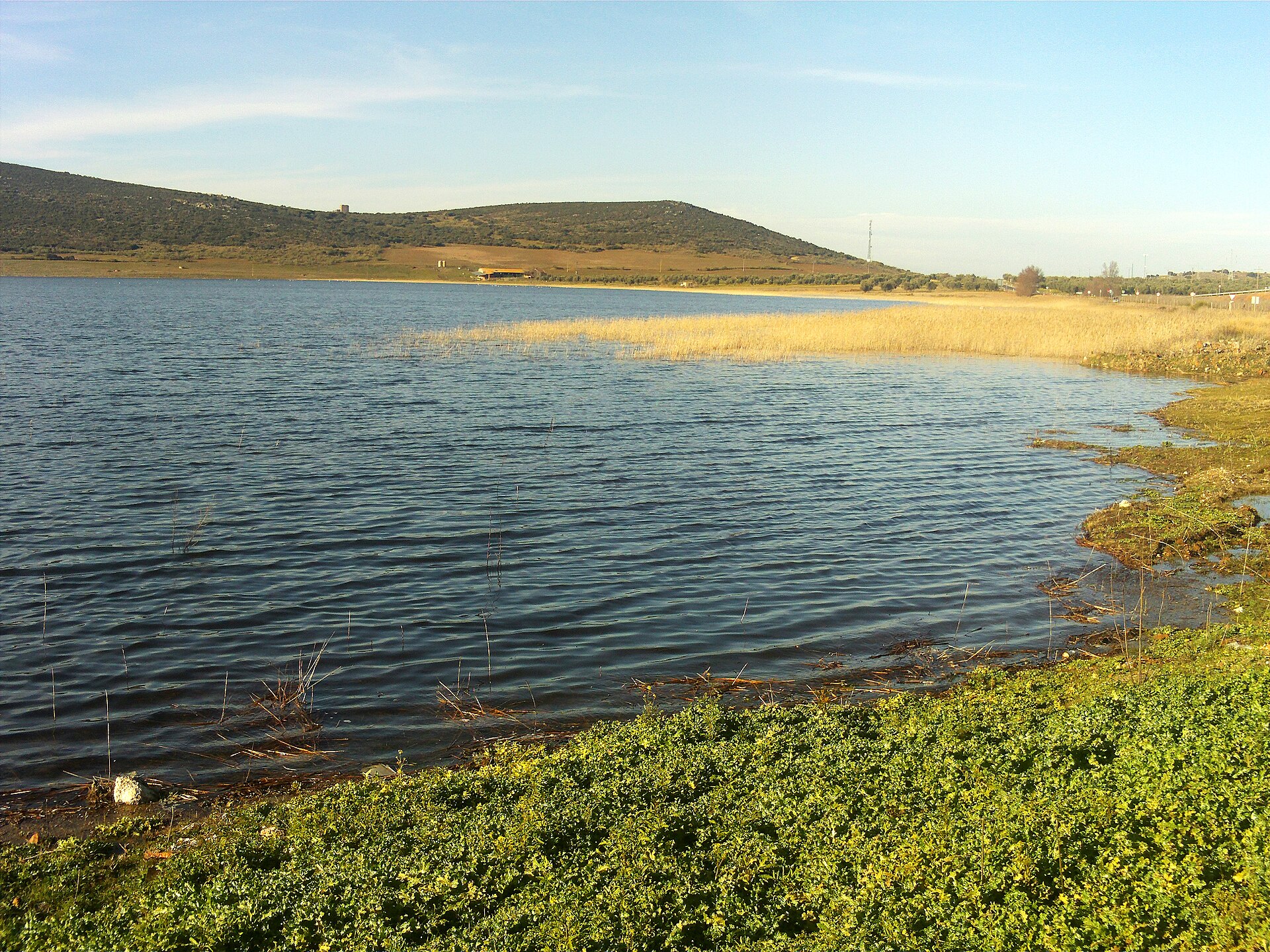
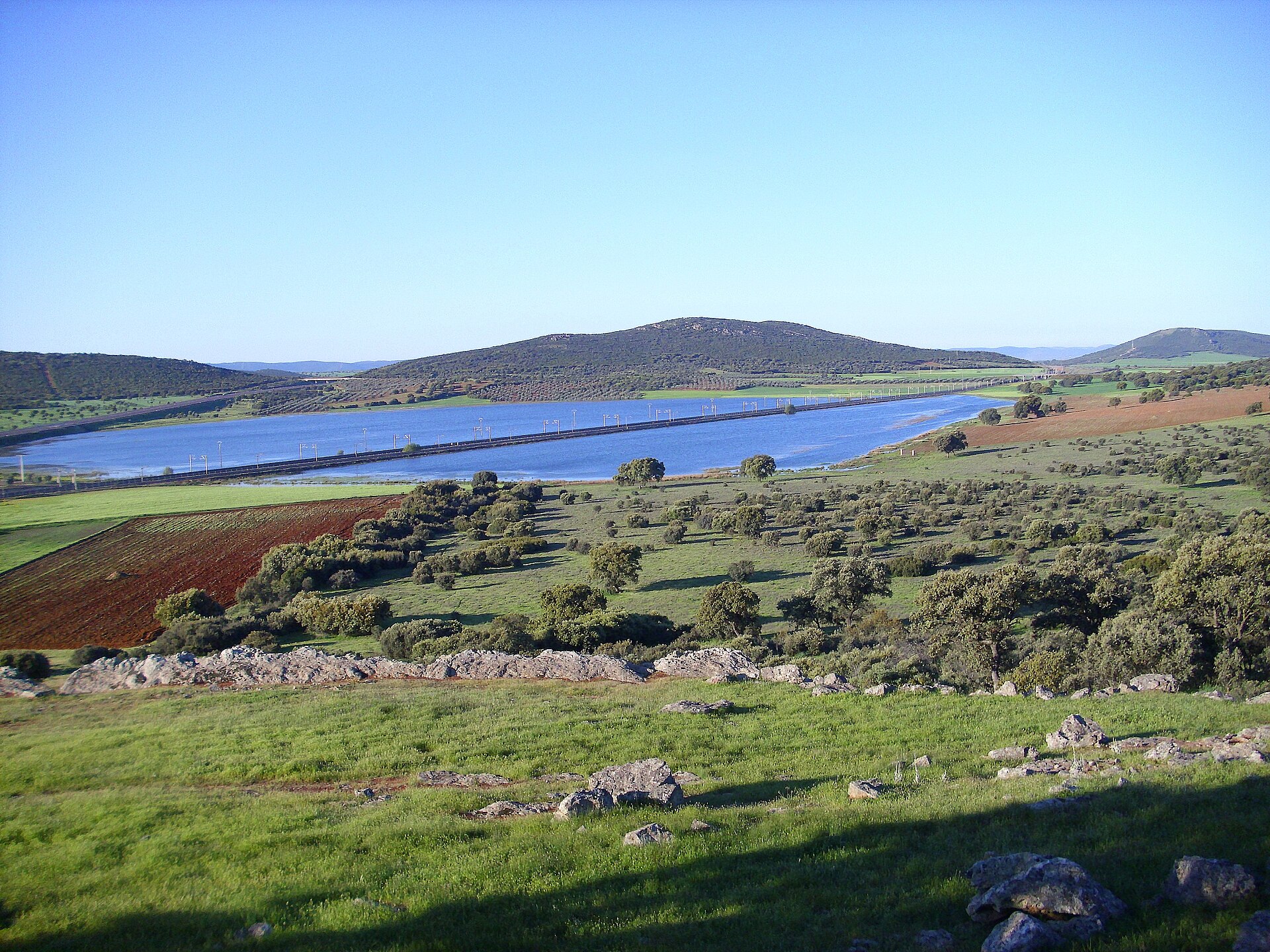
Laguna de Almodóvar is a small volcanic lake right next to Almodóvar del Campo, a town in the province of Ciudad Real, in Castilla-La Mancha. It fills the crater of an extinct volcano, on whose slope the town itself was built — the round shape of the lagoon is actually where the town's name comes from, derived from the Arabic Al-Mudawwar, meaning "the round one."
Where exactly is the lagoon?
The lake sits at the eastern edge of the Almodóvar del Campo municipality, at the point where two historic districts meet: Campo de Calatrava and Valle de Alcudia. The whole area falls within the Valle de Alcudia y Sierra Madrona Natural Park, one of the best-preserved stretches of Mediterranean forest on the Iberian Peninsula. Almodóvar del Campo is the fifth-largest municipality in Spain by land area (over 1,200 km²) and the largest in all of Castilla-La Mancha, even though fewer than 6,000 people live there.
How do you get there?
Almodóvar del Campo lies in the southwestern part of Ciudad Real province. The lagoon borders the town directly, so the easiest way to reach it is on foot from the town center — it's not a remote destination requiring a long detour. It's worth building the visit into a longer walk around the area, since more traces of the region's volcanic past can be found within a few kilometers.
What will you see there?
The landscape around the lagoon is typical of the volcanic terrain of Campo de Calatrava — gentle rises, rocky ground, and a body of water filling what was once a volcanic vent. Nearby, in the municipality of Bienvenida, stands Los Castillejos de la Bienvenida, a rock formation declared a natural monument and one of the more recognizable traces of volcanic activity in the region — a good reference point if you're interested in the local geology. In Almodóvar del Campo itself, it's worth climbing up to the hermitage of Santa Brígida, which offers views over the town and the surrounding hills, including the crater that holds the lagoon.
The region carries the mark of centuries of settlement — Iberians, Romans, Muslims, Jews, and Christians have all left traces in the layout of streets and buildings in Almodóvar del Campo, making a walk through town a natural complement to a visit to the lagoon.
When should you visit?
Castilla-La Mancha has a continental climate, with hot summers and cold winters, so spring and autumn offer the most comfortable conditions for exploring, with milder temperatures and a greener landscape around the lagoon. Summer heat can be intense, which is worth factoring in if you're planning a longer walk around the area.
Frequently Asked Questions
Is Laguna de Almodóvar a volcanic lake? Yes, it occupies the crater of an extinct volcano, on whose slope the town of Almodóvar del Campo was built.
Where does the name Almodóvar del Campo come from? The name comes from the Arabic Al-Mudawwar ("the round one"), referring to the round shape of the volcanic lagoon.
Are there other geological attractions nearby? Yes, nearby stands Los Castillejos de la Bienvenida, officially declared a natural monument and one of the key remnants of the volcanic past of Campo de Calatrava.
Is the lagoon within a protected area? The surroundings of Almodóvar del Campo lie within the Valle de Alcudia y Sierra Madrona Natural Park, which protects one of the best-preserved stretches of Mediterranean forest in the region.
Nearby places

Earn badges for the places you visit
Download NextOnTrip, discover new places and check off your trails.