About this place
Kunín Castle
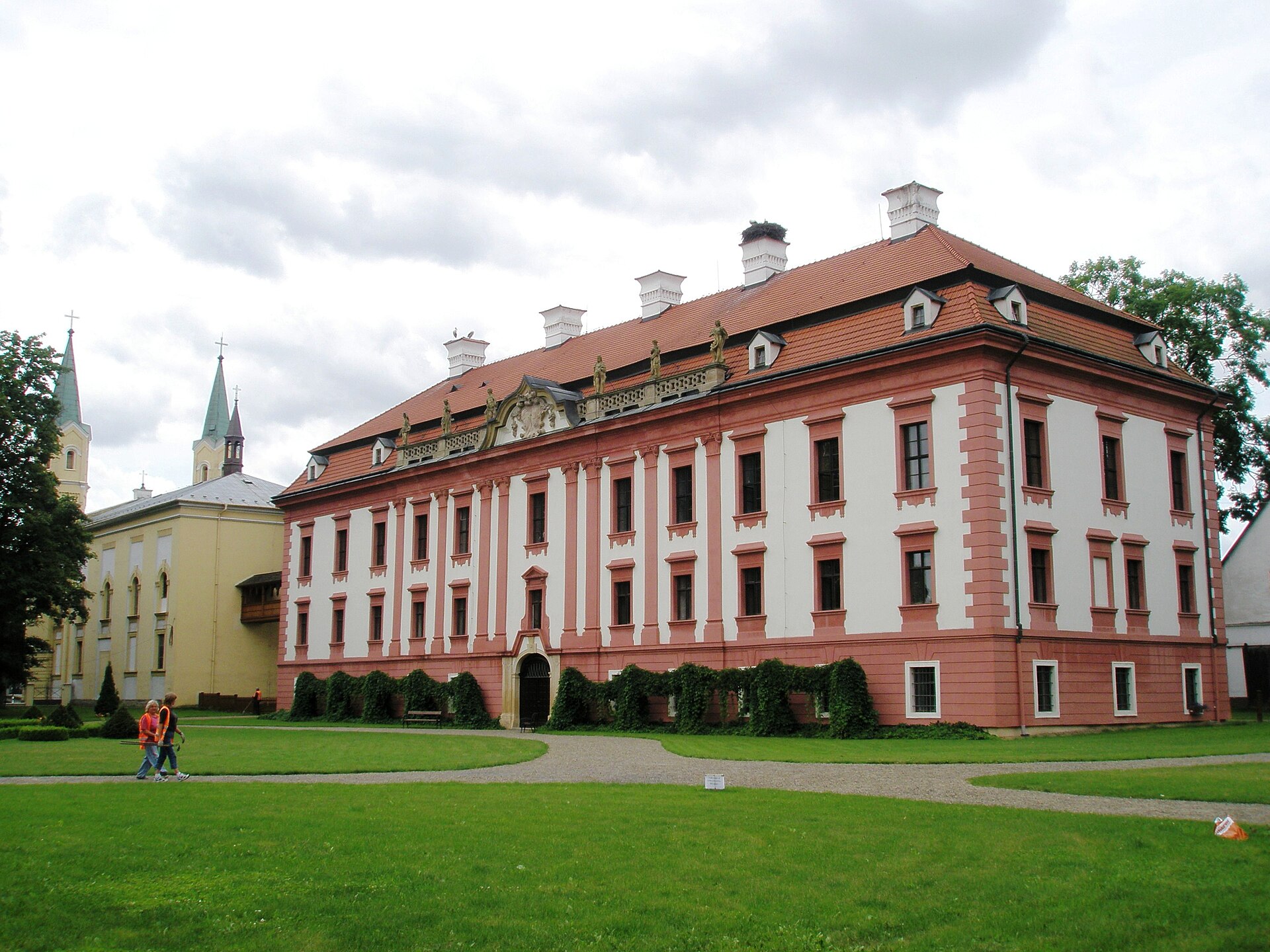
Kunín Castle is a Baroque chateau in the village of Kunín in the Nový Jičín district of the Moravian-Silesian Region in the Czech Republic — one of the most significant Baroque residences in Moravia, built between 1726 and 1734 for the House of Harrach.
Who built the chateau and why is its design distinctive?
The building was commissioned by Count Friedrich August Harrach and his wife, Countess Marie Eleonora, daughter of Prince Anton Florian of Liechtenstein, who had purchased the Kunín estate in 1723. The design came from the Vienna-based architect Johann Lucas von Hildebrandt, one of the leading figures of Baroque architecture in the Habsburg monarchy. The chateau's design draws heavily on Hildebrandt's Mirabell Palace in Salzburg, which is why it is sometimes nicknamed the "little Moravian Mirabell." A small fortified manor house had stood on the site since the late 16th century, changing owners repeatedly before the Harrachs took over.
What happened at the chateau after its founders died?
The most notable period in Kunín's history came at the turn of the 18th and 19th centuries, when the estate passed to the founders' granddaughter, Countess Marie Walburga of the House of Truchsess-Waldburg-Zeil. She turned the chateau into one of the most progressive educational institutions in Central Europe at the time, so for several decades the building functioned as a school as much as a residence.
How did the chateau survive the 20th century?
Ownership changes during the 20th century stripped the building of its original purpose. It was used as housing for estate workers, as a communal kitchen, and as a medicine store. In the 1970s there were even plans to convert it into a student dormitory. By the time the village of Kunín acquired the by-then derelict chateau in 1999, extensive restoration was needed; the municipality worked with the Museum of Novojičínsko to repair the building and recover its historic character. The chateau reopened to visitors in 2003.
What can visitors see inside today?
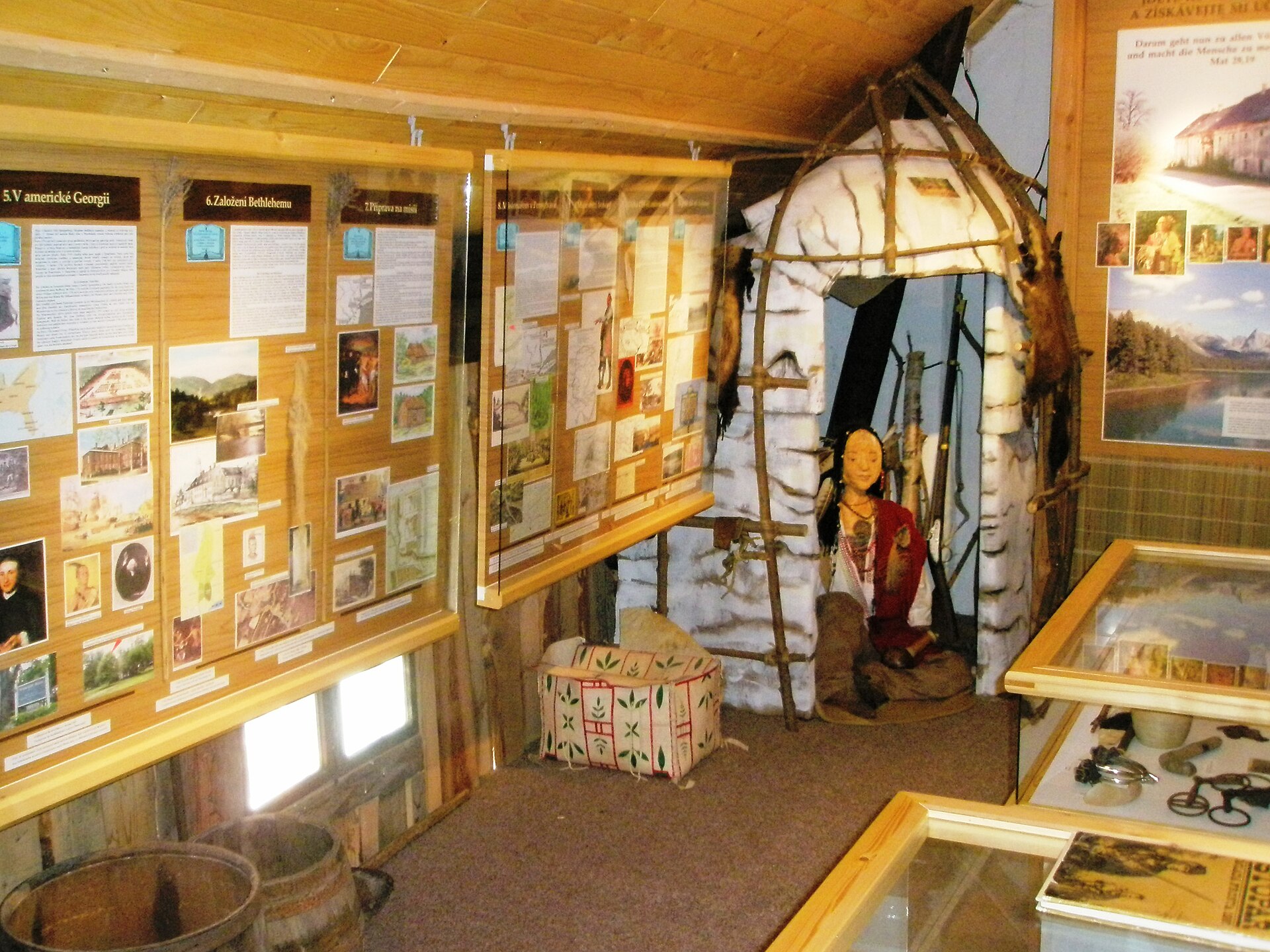
The interior now houses an exhibition run by the Museum of Novojičínsko, featuring guest rooms, former classrooms from the chateau school, a picture gallery, the great hall, the great dining room, a hunting room, a tea room, and the chateau attic. A separate, free exhibition covers the Museum of Old Kunewald, focused on local history, alongside a Natural History Cabinet displaying an extensive mineral and natural-history collection. Guided tours of the furnished rooms depart every hour on the hour, with the last tour starting one hour before closing.
When can you visit, and what does it cost?
The chateau opens seasonally: on Saturdays and Sundays in April and October from 10:00 to 16:00, and Tuesday through Sunday from May to the end of September from 10:00 to 17:00. Standard admission costs 130 CZK, reduced admission (children aged 6–15, students aged 15–26, and seniors over 65) costs 80 CZK, a family ticket (up to two adults and four children under 15) costs 290 CZK, and children under 6 enter free.
Frequently asked questions
Where is Kunín Castle located? In the village of Kunín, in the Nový Jičín district of the Moravian-Silesian Region in the Czech Republic.
Who designed the chateau? Viennese architect Johann Lucas von Hildebrandt, commissioned by the House of Harrach and built between 1726 and 1734.
Why is it called the "little Moravian Mirabell"? Because of its architectural resemblance to Hildebrandt's Mirabell Palace in Salzburg, built for the same family.
Since when has the chateau been open to the public? It reopened in 2003, after restoration work that began in 1999.
What does the museum exhibition include? Furnished period rooms (halls, dining room, picture gallery, hunting room), the Museum of Old Kunewald exhibit, and a Natural History Cabinet with a mineral collection.
Nearby places

Earn badges for the places you visit
Download NextOnTrip, discover new places and check off your trails.