About this place
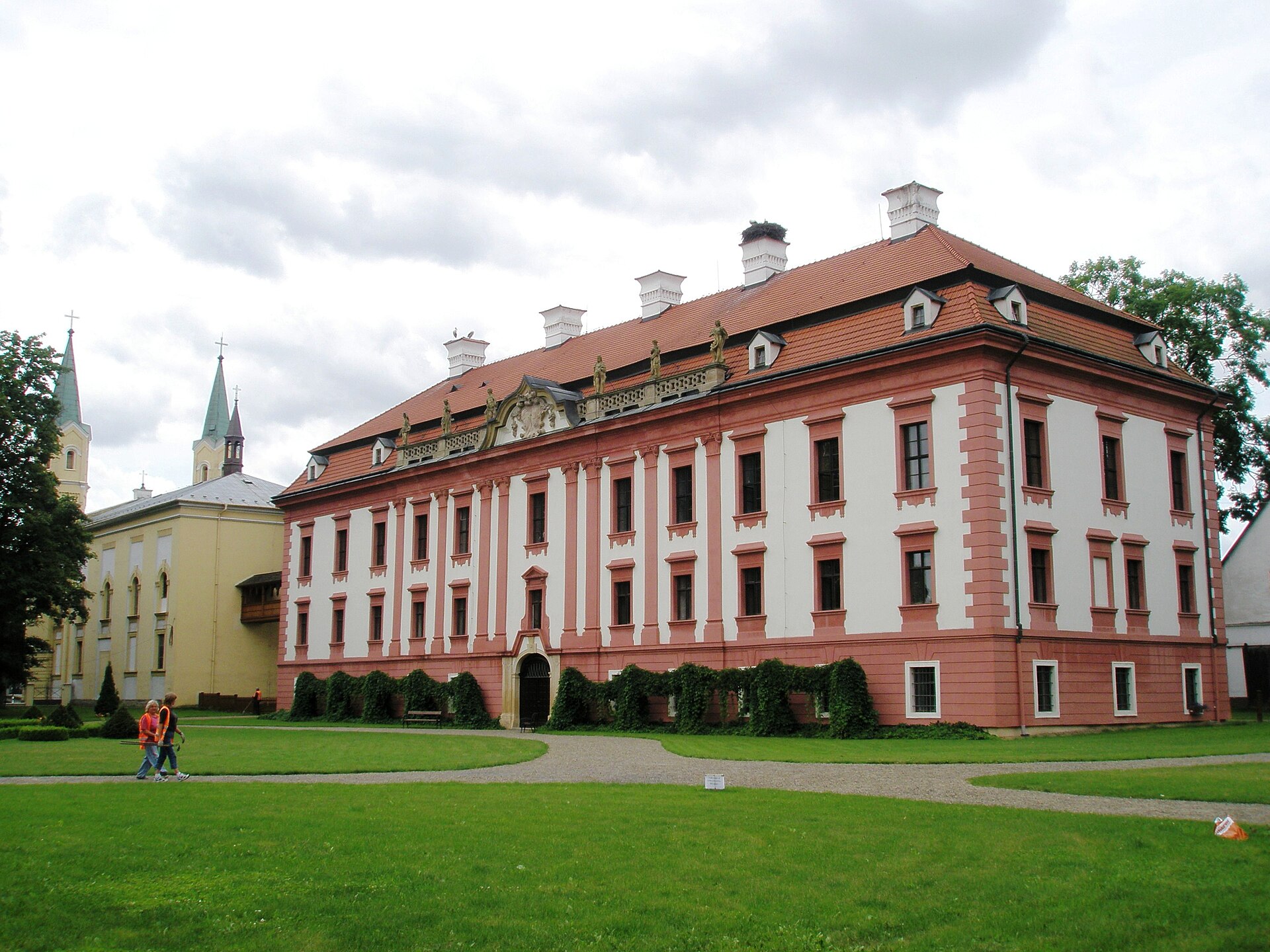
Nová Horka Castle stands in the district of Nová Horka, part of the town of Studénka in the Moravian-Silesian Region, not far from Nový Jičín. It is the kind of estate that rarely makes the standard tourist guidebooks, offering instead a quiet, genuine encounter with regional history away from the crowds that gather at bigger-name castles.
How do you get to Nová Horka Castle?
Nová Horka lies a few kilometers from the center of Studénka, along the route connecting Ostrava with Nový Jičín. Driving is the most convenient option, with a visitor car park available near the castle grounds. Travelers relying on public transport can take a train or bus to Studénka and continue with a short local connection or taxi to Nová Horka itself. The area is well linked to Ostrava, making the castle an easy day-trip destination for anyone based in that larger city.
What is the history behind this place?
The story of Nová Horka goes back to the 13th century, when the settlement was recorded as an estate belonging to the Bishopric of Olomouc. The first mention of a local stronghold dates to 1561, and this fortified structure became the seed of today's residence. A turning point came in 1660, when the episcopal fief was acquired by Johann Balthasar Vetter von der Lilie. The Vetter family settled at Nová Horka for the following 285 years, giving the estate the character of a lasting ancestral seat.
In 1729 the Vetters added a chapel to the stronghold, and thirteen years later, in 1742, Karel Josef Vetter converted the old fortress into a Baroque château — this rebuilding shaped the architectural character still visible today. History was not entirely kind to the building: in 1855 a fire swept through the castle. Reconstruction took more than a decade, running from 1856 to 1866, and restored the estate to full use.
During the 20th century, thanks to the lively cultural events hosted within its walls, the castle earned the nickname "little Vienna." On 3 May 1958 it was formally declared a cultural monument, securing legal protection and paving the way for further conservation work.
What can you see on site?
The castle displays a Baroque character, with visible traces of the earlier defensive structure of the stronghold it grew from. The historic complex also includes the chapel added in 1729. It's worth paying attention to architectural details from different building phases — medieval foundations, 18th-century Baroque additions, and the post-fire reconstruction completed in 1866. During restoration works, craftsmen also uncovered signatures and inscriptions left by builders from earlier centuries, testimony to the site's long history of building craftsmanship.
When is the best time to visit?
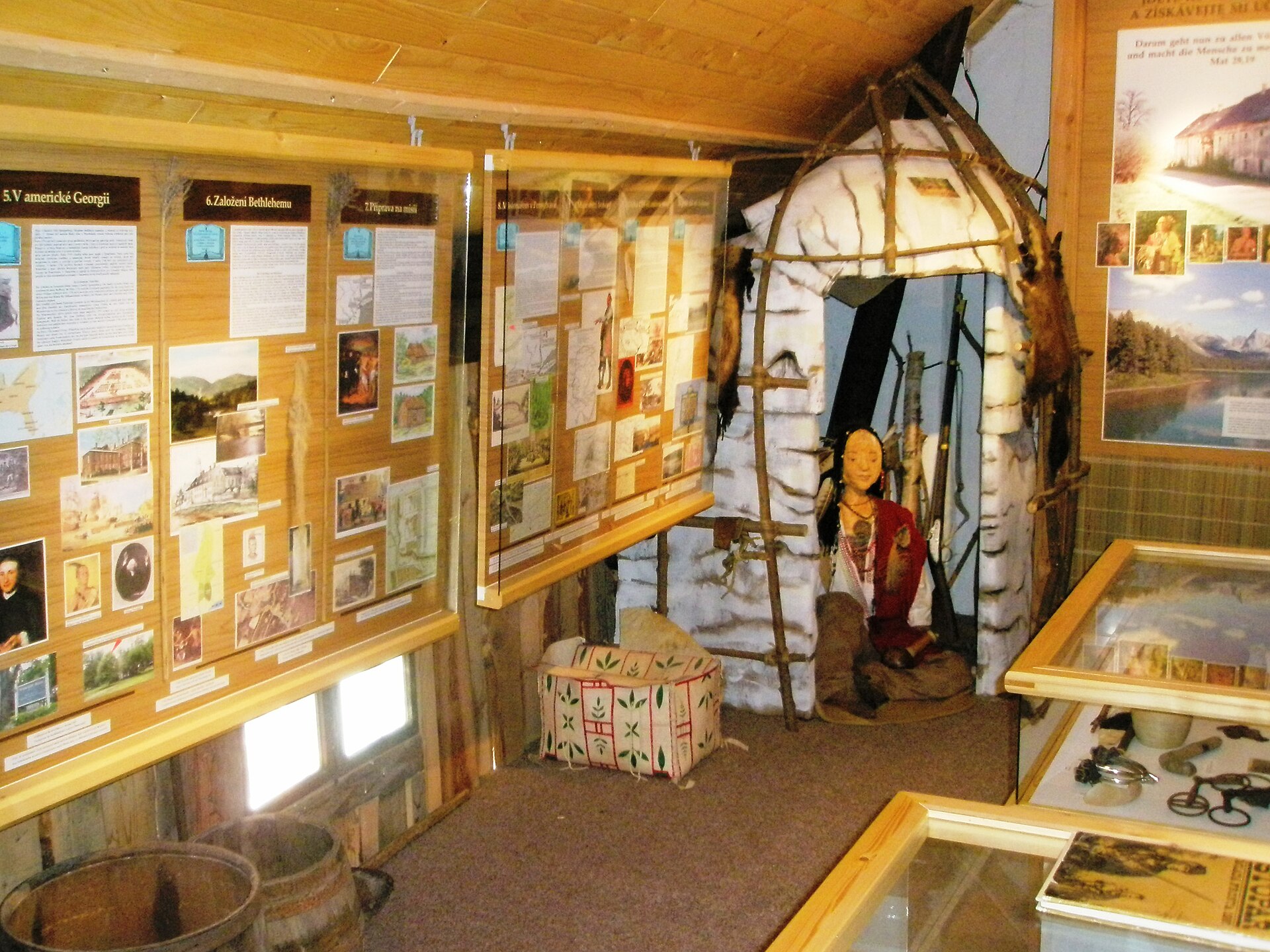
Since 2020 the castle has been open to the public as one of the branches of the Museum of Novojičínsko, meaning regular opening hours and the option to visit independently or with a guide. The best time to come is from spring through early autumn, when the weather favors exploring the surrounding grounds and museum exhibitions run on their full schedule. It's worth checking the current calendar of cultural events, as the venue occasionally hosts concerts and themed exhibitions.
Frequently asked questions
Is Nová Horka Castle open to visitors? Yes, since 2020 it has operated as a branch of the Museum of Novojičínsko and is regularly open to the public.
How far is the castle from Ostrava? Nová Horka lies a short distance from Ostrava, making it an easy day trip for travelers staying in that city.
What sets this castle apart from other estates in the region? Its defining feature is the centuries-long presence of a single family — the Vetter von der Lilie line, who held the estate for 285 years — along with its "little Vienna" nickname earned through a vibrant cultural life.
Have any original architectural features survived? Yes, despite the 1855 fire and subsequent rebuilding, the site retains elements of the 1742 Baroque conversion as well as the chapel added in 1729.
Nearby places

Earn badges for the places you visit
Download NextOnTrip, discover new places and check off your trails.