About this place
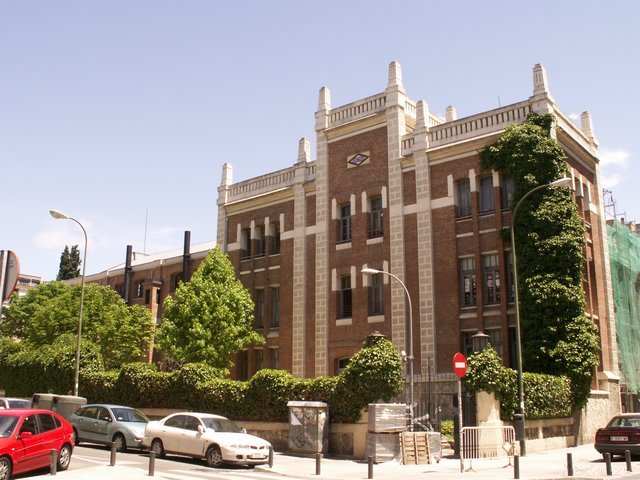
The Royal Tapestry Factory of Santa Bárbara is a historic weaving workshop in Madrid, established in 1720 on the order of King Philip V. Its founding was a direct response to the Treaty of Utrecht, which stripped Spain of its Dutch provinces and, with them, access to prized Flemish tapestries. The Spanish court needed a domestic source of gobelins — not merely as decoration, but as practical insulation against the cold and damp of stone-walled palaces. The workshop was modeled on the royal manufactories of Flanders and France, following the framework earlier established by minister Jean-Baptiste Colbert.
Why was a tapestry factory built in Madrid?
The founding of Santa Bárbara fit into the broader mercantilist policy pursued by the Spanish crown during the Enlightenment period. The goal was to reduce dependence on imported luxury goods and build a prestigious domestic craft industry. Tapestries were among the most sought-after decorative elements in European palaces at the time, and producing them required highly skilled weavers — so master craftsmen trained in the Flemish technique were brought to Madrid to establish the workshop.
What should you know before visiting?
From its founding, the factory has been closely tied to the Spanish royal court, producing the gobelins that decorated royal residences. It is located in Madrid, in an area easily reached from the city's central tourist zones. It's worth remembering that this is still an active craft workshop rather than solely a museum — visitors can observe a living weaving tradition rather than just a collection of historical exhibits.
How do you get there?
The factory sits in Madrid, in a location well connected for visitors exploring the city's central districts. The most convenient way to arrive is by public transport — metro or bus — which makes it easy to combine a visit with other nearby sights. For anyone planning a full day of sightseeing in Madrid, it makes a solid addition to an itinerary built around nearby museums and landmarks.
What will you see during a visit?
Visitors can learn about the history of Spanish artistic weaving and the process behind creating a tapestry, from initial design to finished gobelin. The workshop has continued the craft first established for the court of Philip V for three centuries, making it one of the few places in Europe where traditional tapestry-weaving technique has survived in nearly unchanged form. It's a rare chance to see a production process once reserved exclusively for the wealthiest royal courts.
When is the best time to plan a visit?
The factory is worth including in a Madrid itinerary focused on the city's artistic craft history. Because it remains a working workshop rather than a conventional museum, it's worth checking current opening hours and visiting conditions in advance, as they may differ from those of typical museum institutions.
Frequently Asked Questions
When was the Royal Tapestry Factory of Santa Bárbara founded? It was established in 1720 on the order of King Philip V, as part of a policy to support domestic luxury production.
Why did Spain need its own tapestry factory? After the Treaty of Utrecht, Spain lost its Dutch provinces and, with them, access to imported Flemish tapestries, which had been essential for decorating and insulating royal residences.
What model was the Madrid workshop based on? It was modeled on the royal workshops of Flanders and France, built according to the framework introduced by minister Jean-Baptiste Colbert.
Is the factory still operating? Yes, it remains an active craft workshop where visitors can see a living tapestry-weaving tradition that has continued for three centuries.
Nearby places

Earn badges for the places you visit
Download NextOnTrip, discover new places and check off your trails.