About this place
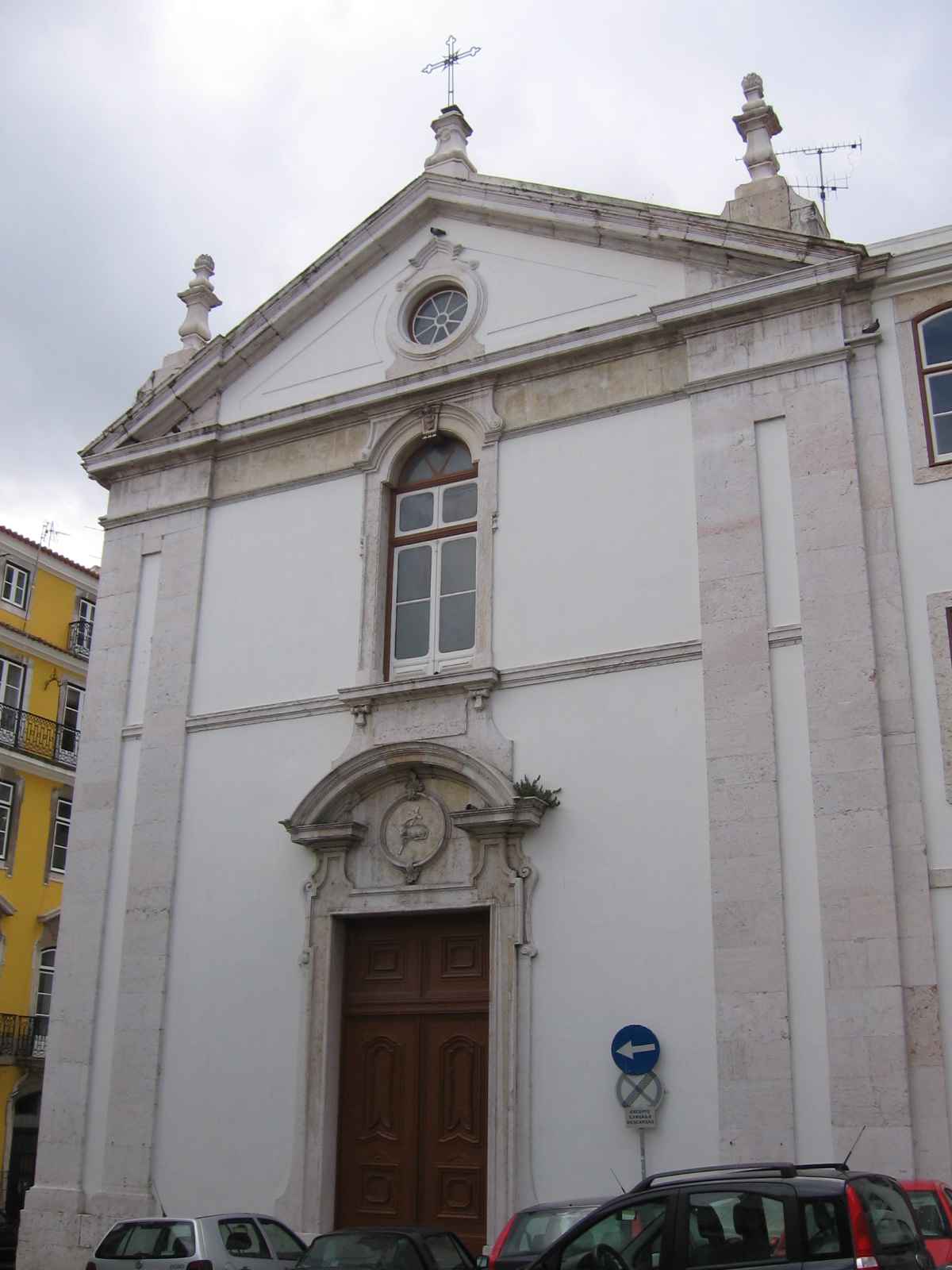
The Church of Saint Anthony in Lisbon (Portuguese: Igreja de Santo António de Lisboa) stands in the Alfama district, on Largo de Santo António da Sé, right beside the cathedral. Tradition holds that it occupies the spot where Saint Anthony was born in 1195. He is known in Portugal as Anthony of Lisbon and elsewhere as Anthony of Padua. The building is classified as a National Monument.
Why visit the Church of Saint Anthony in Lisbon?
It is one of the city's key sites devoted to the saint. Pilgrims come for the link to his birth, while visitors exploring Alfama will find a quiet stop next to the cathedral. The interior is Baroque-Rococo, and a crypt marks the traditional birthplace of the saint.
What is the history of the church?
A chapel was first built here in the 15th century. In the 16th century, under King Manuel I, a larger church replaced it. The 1755 earthquake destroyed the building, leaving only the main chapel standing. Reconstruction began after 1767 to a design by architect Mateus Vicente de Oliveira, which explains the present Baroque-Rococo character.
According to accounts, Lisbon's children helped fund the rebuilding by asking passers-by for "a small coin for Saint Anthony". An altar image is also reported to have survived the earthquake.
What else is there to see?
A small museum devoted to the saint sits next to the church. It is easy to combine the visit with the nearby cathedral and a walk through Alfama's narrow lanes running down toward the Tagus.
When is the best time to go?
The most special day is 13 June, Saint Anthony's Day. Since 1755 a procession has left the church on that date, passing the cathedral and climbing through the slopes of Alfama. The day is part of Lisbon's Popular Saints festivities, the city's June celebrations.
Frequently asked questions
Where exactly is the church? In Alfama, on Largo de Santo António da Sé, directly next to Lisbon Cathedral.
Does it stand on Saint Anthony's birthplace? So tradition says: the church was built where the saint was born in 1195. A crypt in the church commemorates the spot.
Is the current building medieval? No. The earlier church was destroyed by the 1755 earthquake, and the present one was built after 1767 in the Baroque-Rococo style.
Is there a museum by the church? Yes, a small museum dedicated to Saint Anthony is next door.
When should I come? For festive atmosphere choose 13 June, when the procession takes place. For a calmer visit, pick another day.
Practical tips
The church sits in the heart of the historic quarter, so it pairs easily with other Alfama sights. It is an active place of worship, so dress modestly and keep quiet inside.
Nearby places

Earn badges for the places you visit
Download NextOnTrip, discover new places and check off your trails.