About this place
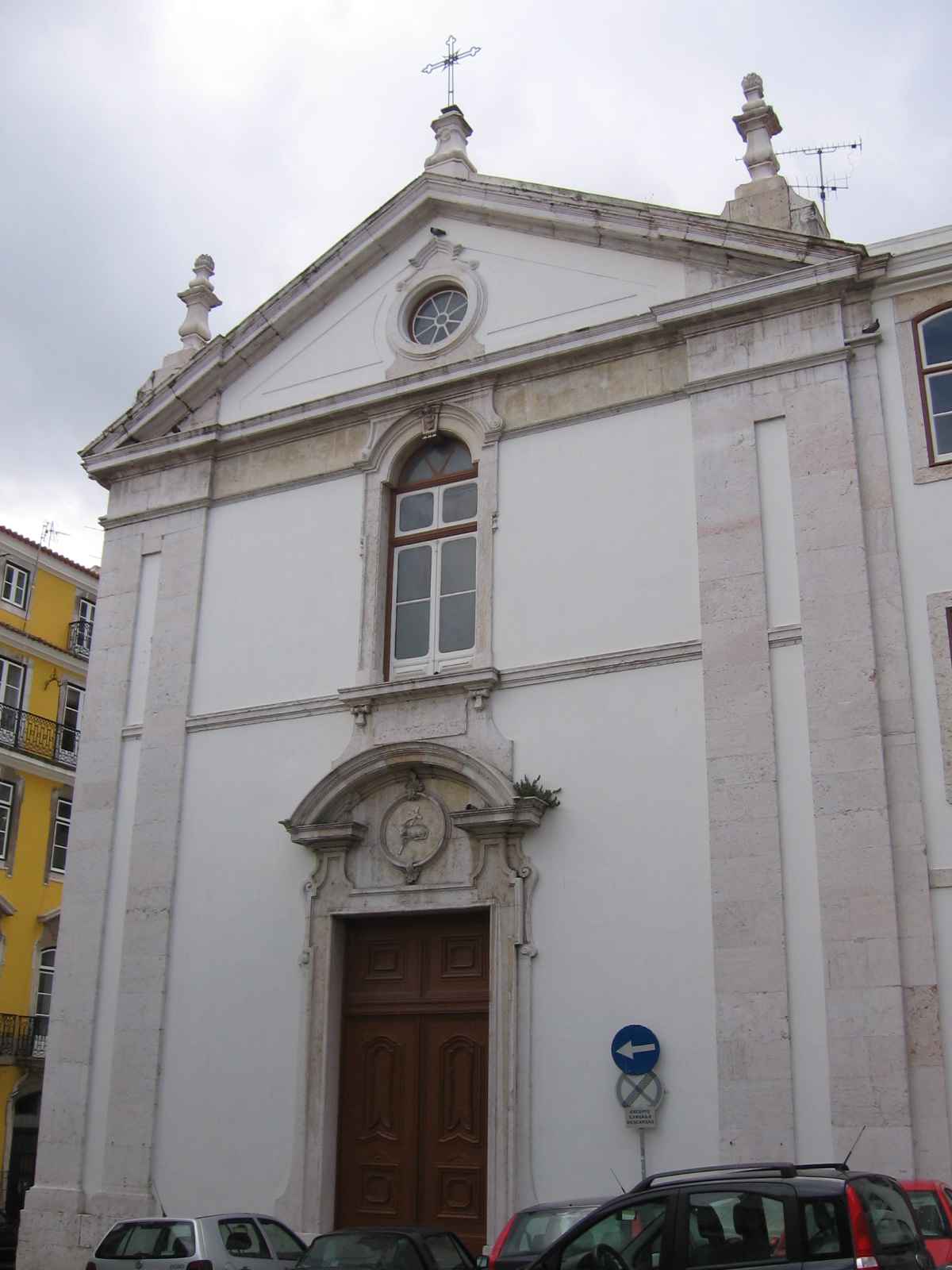
Igreja da Madalena is a parish church in Lisbon, Portugal. Visitors know it mainly for its surviving Manueline portal, which holds National Monument status. The building stands in the historic part of the capital, at roughly 38.710 N, 9.135 W, and fits naturally into a walk exploring old Lisbon.
What is the history of Igreja da Madalena?
The first church on the site is said to date from the mid-12th century, either 1150 or 1164, ordered by Afonso Henriques, Portugal's first king. Since then the building has been damaged and rebuilt many times. In 1363 a fire destroyed it, and King Ferdinand I had it rebuilt. Around 1600 a cyclone wrecked part of the structure. The heaviest blow came with the 1755 earthquake, which brought the church down. It was raised again in 1783 under Queen Maria I. What you see today is therefore the outcome of several reconstructions rather than a single period.
What should you look at?
The main draw is the principal portal. It is a trefoil arch in the Manueline style, decorated with plant motifs and heraldic elements typical of this late Gothic variety from the Age of Discoveries. The portal came through the 1755 earthquake intact, and it was classified as a National Monument in 1910.
Where did the Manueline doorway come from?
Some authors argue the portal was not originally made for this church. One theory says it came from the Igreja da Conceição dos Freires, also ruined in 1755, and later moved to the old Misericórdia church, now known as Conceição Velha, before ending up at Madalena. The story shows how valuable fragments were salvaged and reused after the disaster.
Frequently asked questions
Is the portal of Igreja da Madalena protected? Yes. It was classified as a National Monument of Portugal in 1910.
When was the church founded? The original church is dated to 1150 or 1164, but the present building results from reconstruction after the 1755 earthquake, completed in 1783.
Who ordered the rebuilding after the earthquake? Queen Maria I ordered the reconstruction.
Why is the portal special? It is a rare survivor of Manueline style in Lisbon, with a trefoil arch and rich plant and heraldic decoration.
Is it worth adding to a sightseeing route? If you care about architecture and Lisbon's pre-1755 past, a stop at the portal explains a lot about the city's fate. Plan a short visit as part of a neighbourhood walk, and check opening hours locally beforehand.
Nearby places

Earn badges for the places you visit
Download NextOnTrip, discover new places and check off your trails.