About this place
The Church of the Assumption of the Virgin Mary in Most is one of the most remarkable religious monuments in the Czech Republic, famous not just for its architecture but for the astonishing engineering feat that saved it from destruction. This late-Gothic church, built between 1517 and 1550 to a design by Jakub Heilmann of Schweinfurt after a fire had devastated medieval Most, was moved in its entirety along rails in 1975, traveling 841 meters to escape demolition when the old town was razed for open-pit lignite mining.
Why was the church moved at all?
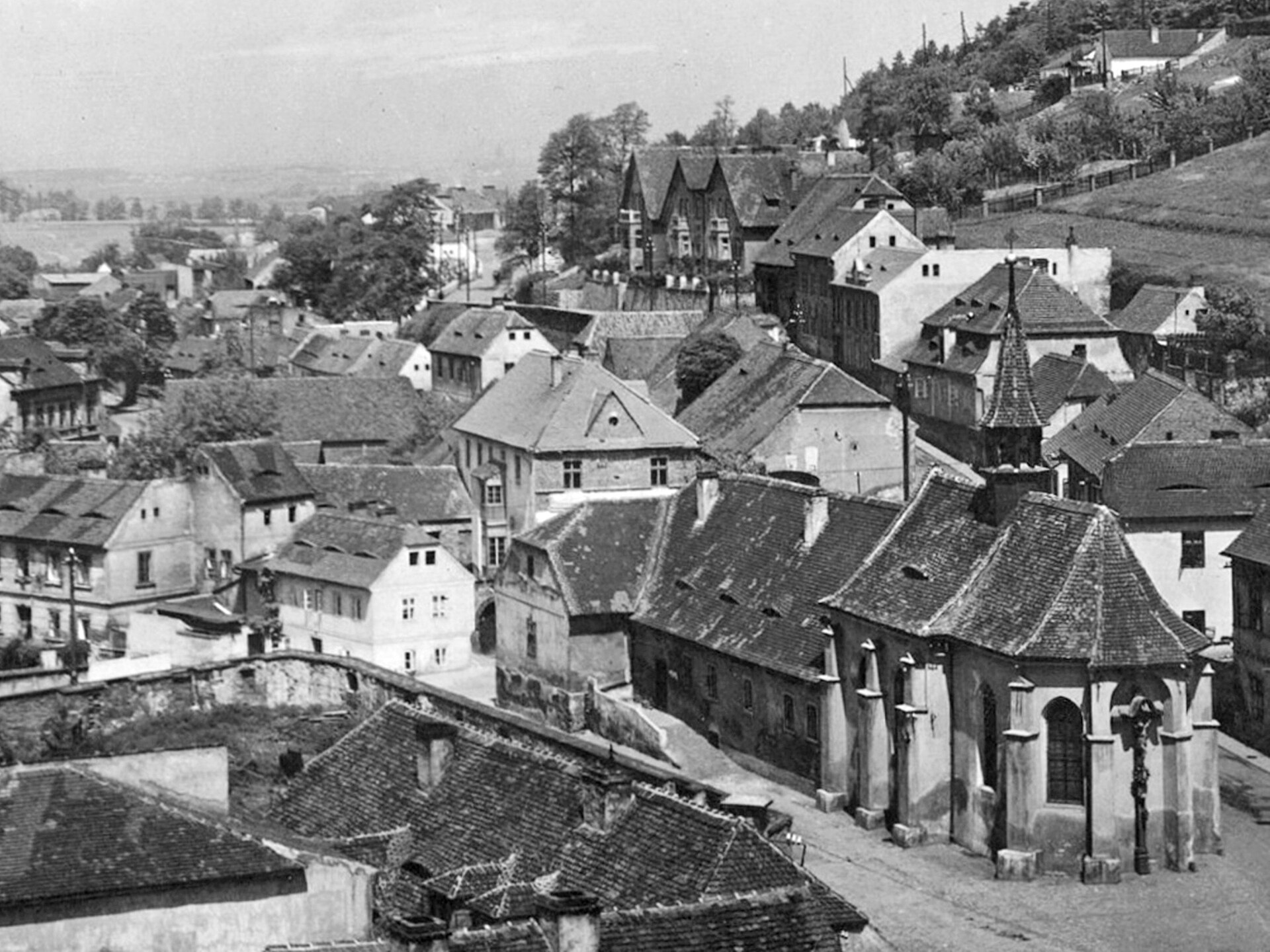
In the 1960s, Czechoslovakia's communist authorities decided to liquidate the historic center of Most because vast lignite deposits lay beneath the city. Almost the entire old town was demolished and its residents resettled in a newly built city nearby. The Church of the Assumption, recognized as the most valuable architectural monument in the area, was the one structure deemed worth saving. Rather than dismantling it and rebuilding elsewhere, engineers opted for an unprecedented solution: moving the whole building intact.
How did the relocation actually work?
The operation began on September 30, 1975, and finished on October 27 of the same year. The church was reinforced with a concrete corset around its structure, and 53 hydraulic transport carts were placed under every load-bearing point to distribute the building's weight onto specially laid rails. The church crept forward at a speed of just 1.2 to 3.2 centimeters per minute — so slow that movement was barely visible to the naked eye. The feat went down in history as the transport of the heaviest object ever moved on rails and earned a place in the Guinness Book of Records.
What is there to see inside and outside?
The building preserves the hallmarks of late Gothic architecture: a soaring tower, ribbed vaulting, and massive brick-and-stone walls that had to withstand not only centuries of weather but the relocation itself. Inside, original furnishings and stonework predating the move survive as testimony to the skill of builders working five centuries ago. The fact that the church came through the transport essentially undamaged makes it a unique example of historic architecture surviving a feat of modern (for its era) engineering.
How do you get there?
The church now stands in a district of Most known as Investors, the area to which it was relocated from the site of the demolished old town. It is easily reached on foot or by local public transport from the center of present-day Most, a city in northwestern Bohemia in the Ústí nad Labem region. Drivers will find parking nearby, and the site is well signposted as one of the region's major tourist attractions.
When is the best time to visit?
The exterior can be admired year-round, but a visit to the interior is best planned during the tourist season, when the church is typically open to visitors during set hours. It is worth checking current opening times before arriving, since as an active parish church it may be closed to visitors during services and religious events.
Frequently asked questions
Why was the church in Most relocated? Because the old town of Most, where it originally stood, was demolished in the 1960s and 1970s to allow mining of the lignite deposits beneath it. The church, as the area's most valuable architectural monument, was saved by moving it to a new site instead of tearing it down.
How long did the relocation take? The operation lasted less than a month, from September 30 to October 27, 1975, with the building creeping along at a speed of only 1.2 to 3.2 centimeters per minute.
How far was the church moved? It was transported on rails a distance of 841 meters from its original location in the old town to where it stands today.
Did this feat receive any record recognition? Yes, the relocation is recorded in the Guinness Book of Records as the transport of the heaviest object ever moved on rails.
Nearby places

Earn badges for the places you visit
Download NextOnTrip, discover new places and check off your trails.