About this place
The Evangelical Church in Havířov-Suchá stands in the Prostřední Suchá district, part of the town of Havířov in the Moravian-Silesian Region of the Czech Republic, only a short distance from the Polish border. It is a small but still active place of worship belonging to the local congregation of the Silesian Evangelical Church of the Augsburg Confession, one of the oldest Protestant communities in Cieszyn Silesia.
What does the church look like and where exactly is it?
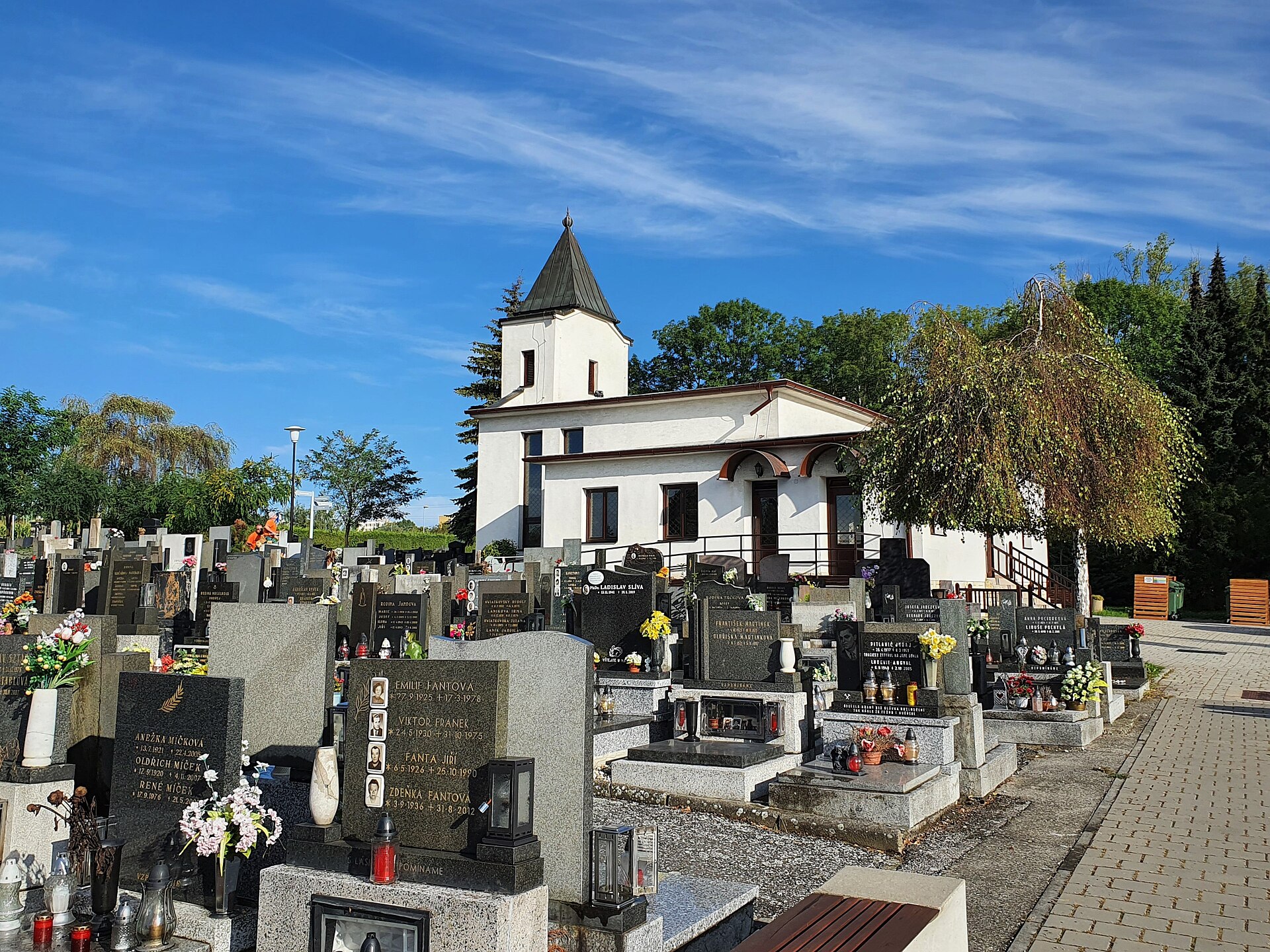
The building sits between the road connecting Havířov and Karviná and the railway line once used to haul coal from the Dukla and František mines, right above the right bank of the Sušánka stream. Its shape is simple: a rectangular nave leading into a polygonal presbytery, flanked by two small rectangular sacristies attached to the sides. At the front rises a slender tower topped with a sharp, pointed spire — the feature most visible from the road and the easiest way to spot the church from a distance.
What is the history behind this church?
The congregation in Suchá traces back to 1872, when the first, modest wooden evangelical chapel was built here. As the community grew, the wooden structure could no longer keep up, so from 1924 a new brick chapel was constructed, designed to seat around 156 worshippers. In 1937 the building was enlarged and rebuilt so it could function as a full church rather than just a branch chapel. An independent evangelical parish in Suchá was not established until January 1949 — before that, the local community was administered by neighbouring congregations.
Why is the ground around the church so uneven?
Havířov-Suchá lies right in the heart of the Upper Silesian Coal Basin, and decades of underground coal mining have left their mark here too. The church, together with the surrounding cemetery and the whole neighbouring terrain, has subsided by more than 17 metres due to mining damage. The effect is not something you notice at a glance, but it explains the unusual, uneven shape of the ground and the slight tilts visible in the immediate surroundings of the church — a landscape typical of mining towns in this region.
What else is there to see around the church?
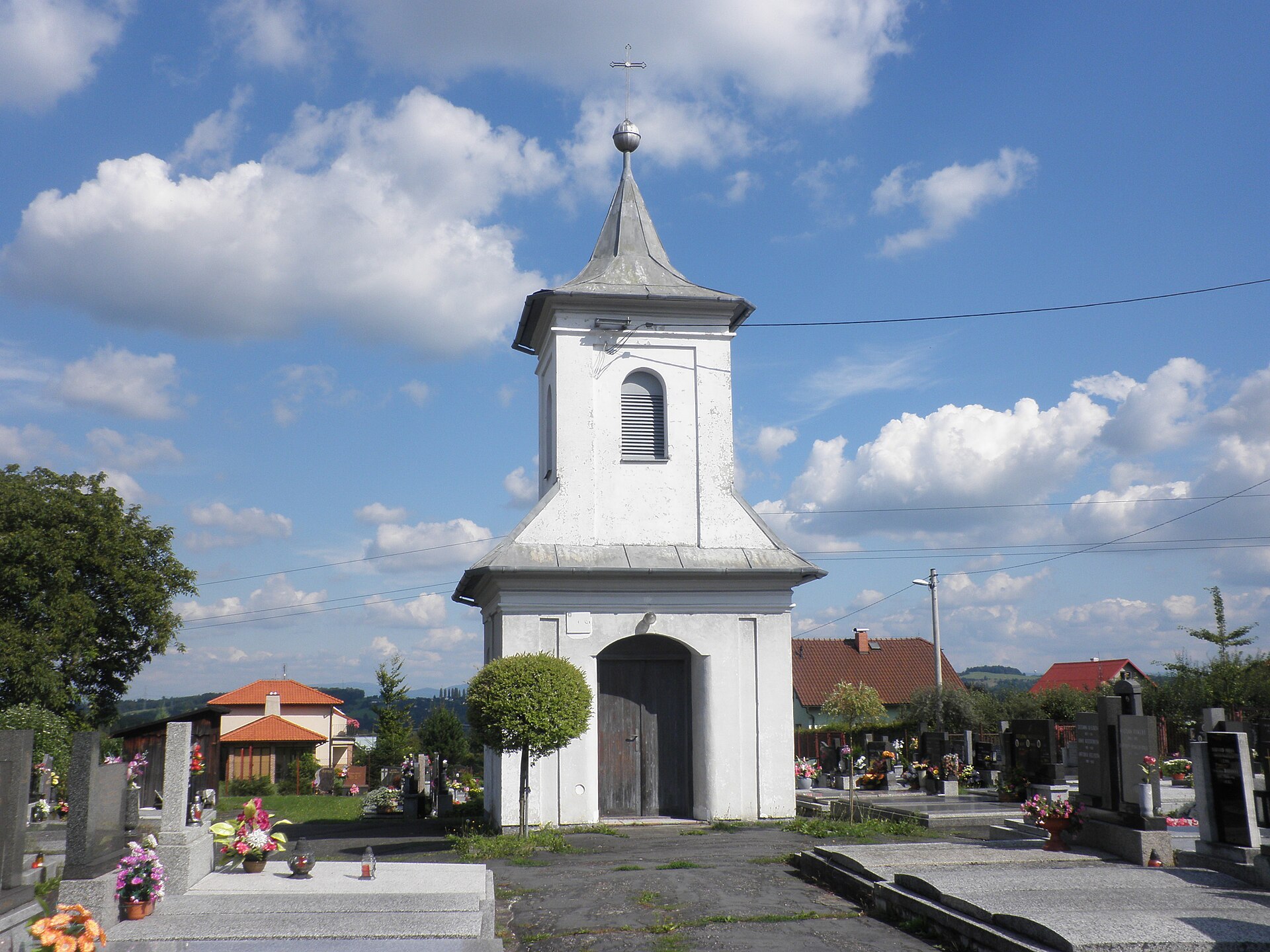
Next to the church operates an evangelical cemetery covering almost 7,600 square metres, an integral part of the site and still used for burials by the local community. Modest yet well preserved, this small sacred complex offers a good glimpse into the religious life of the Evangelical minority in Cieszyn Silesia during the 19th and 20th centuries — far from any big-city spotlight, but shaped by a strong sense of local identity.
Frequently asked questions
Which church does this building belong to? It belongs to the local congregation of the Silesian Evangelical Church of the Augsburg Confession, one of the historic Protestant communities of the Cieszyn Silesia region.
When did the church take its current form? The first wooden chapel was built in 1872, a brick building followed from 1924, and the reconstruction that gave it the character of a full church took place in 1937.
Since when has there been an independent parish here? An independent evangelical parish in Suchá has existed since January 1949.
Why do the church and cemetery sit unevenly against the surrounding terrain? This is the result of ground subsidence caused by decades of underground coal mining — the terrain here has sunk by more than 17 metres.
Is there a cemetery next to the church? Yes, the evangelical cemetery beside the church covers almost 7,600 square metres and remains in use today.
Nearby places

Earn badges for the places you visit
Download NextOnTrip, discover new places and check off your trails.