About this place
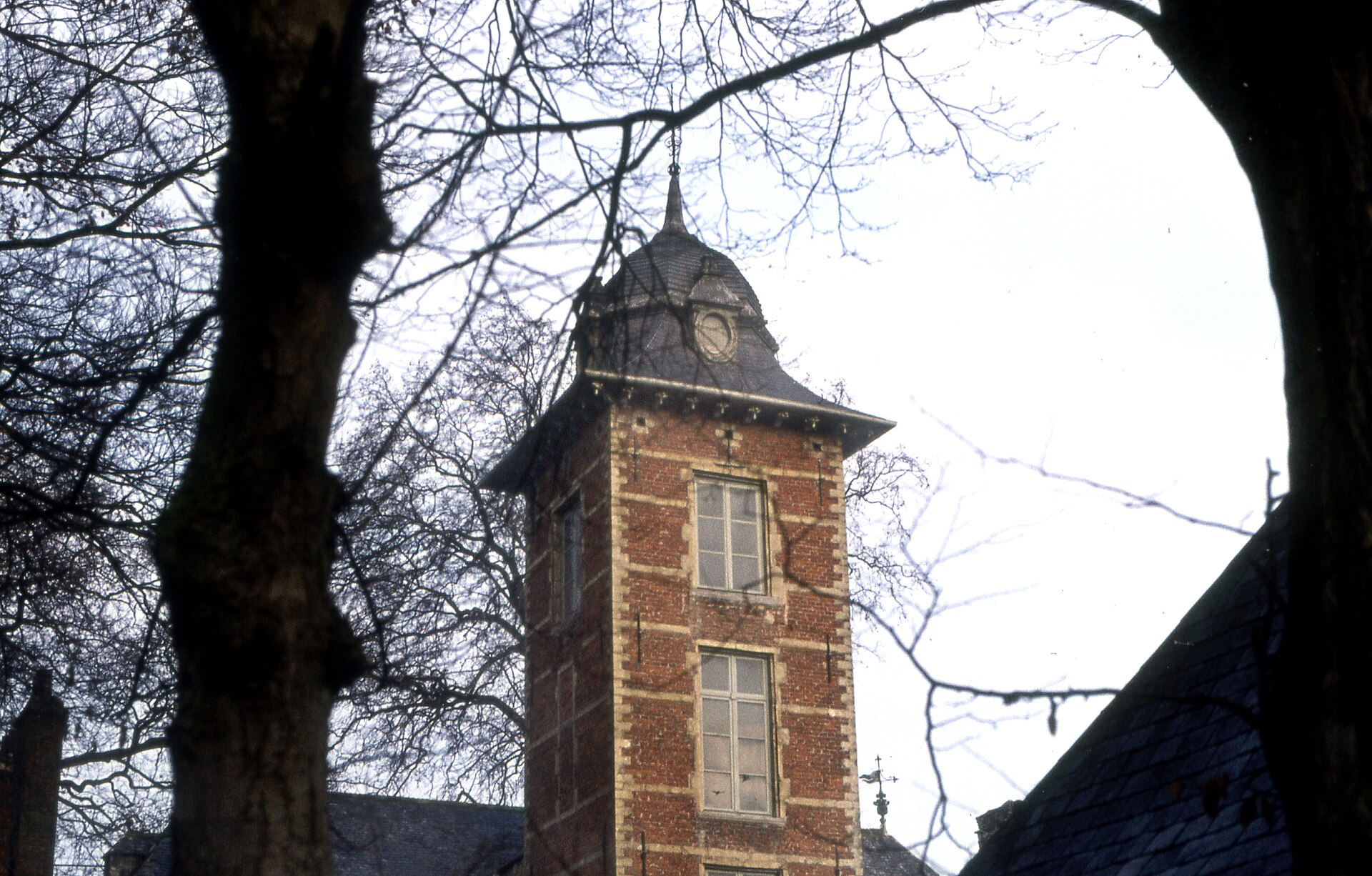
Kasteel Rondenbos is a small castle located in Alsemberg, a district of the municipality of Beersel in Flemish Brabant, Belgium. The building stands along Alsembergsesteenweg, the main road connecting Alsemberg to Brussels, and today it serves as the local municipal offices.
Who built the castle, and when?
Rondenbos was built between 1903 and 1909 at the initiative of Frans Bousquet, a wealthy timber merchant. That connection is why the building is also known as Kasteel Bousquet, after its founder. It was constructed at the turn of the 20th century, during a period when the outskirts of Brussels attracted affluent city dwellers looking for representative country residences surrounded by greenery, away from the noise of the capital.
How did the grounds around the castle develop?
In 1912 the estate was substantially enlarged when land belonging to the former inn "De Keizer" was added, bringing the total grounds to roughly 7 hectares. Two years later, in 1914, a new structure was erected on the site of that former inn: a porter's lodge together with stables. This layout — main residence, park, and service buildings — was typical of Belgian country estates of the era, where the owner's living quarters were combined with the buildings needed to run the property.
What happened to the castle between the wars and during the war?
In 1933 ownership passed to the Eloy family. After 1939 the building stood empty, its owners having left — not an unusual fate at the time for a residence of this size, on the eve of the Second World War. During the war the castle was occupied first by German soldiers and later by British soldiers. Many comparable buildings in Belgium shared this fate: large, representative houses were used by whichever army controlled the area as billets or command posts.
How did the castle come into municipal hands?
After the war ended, in 1946, the property was used by the KAJ (Katolieke Arbeidersjeugd, the Young Catholic Workers), a Belgian Catholic youth organization. At that time the castle served social and educational purposes typical of the post-war rebuilding of local community life.
The turning point came in 1973, when the municipality of Alsemberg purchased the entire estate. A year later, in 1974, the building was converted into municipal offices. Kasteel Rondenbos has served this administrative function ever since — an example of a historic residence being adapted for local government use, a fairly common practice in Belgium, where municipalities often take over former manor houses and small castles rather than building new headquarters from scratch.
What should visitors know before going?
Kasteel Rondenbos stands at Alsembergsesteenweg 1046, in an easily accessible part of Alsemberg not far from central Brussels. Since the building now houses the municipal administration, its interior is mainly accessed for official business, but the exterior and the surrounding green grounds can be seen from the road while walking along the main street. It is a worthwhile stop for anyone interested in the history of residential architecture from the turn of the 20th century and in how private estates built by wealthy merchants gradually turned into public institutions.
Frequently asked questions
Is Kasteel Rondenbos a genuine medieval castle? No — it is a residence built in the early 20th century (1903–1909) for a private entrepreneur, not a fortified medieval structure.
Can visitors go inside? The building currently functions as the municipal offices of Alsemberg/Beersel, so access to the interior is generally tied to official business rather than tourist visits.
Where does the alternative name Kasteel Bousquet come from? It comes from Frans Bousquet, the timber merchant who commissioned the castle's construction in the early 1900s.
Where exactly is it located? In Alsemberg, a district of the municipality of Beersel in the province of Flemish Brabant, along the main road Alsembergsesteenweg, close to Brussels.
Nearby places

Earn badges for the places you visit
Download NextOnTrip, discover new places and check off your trails.