About this place
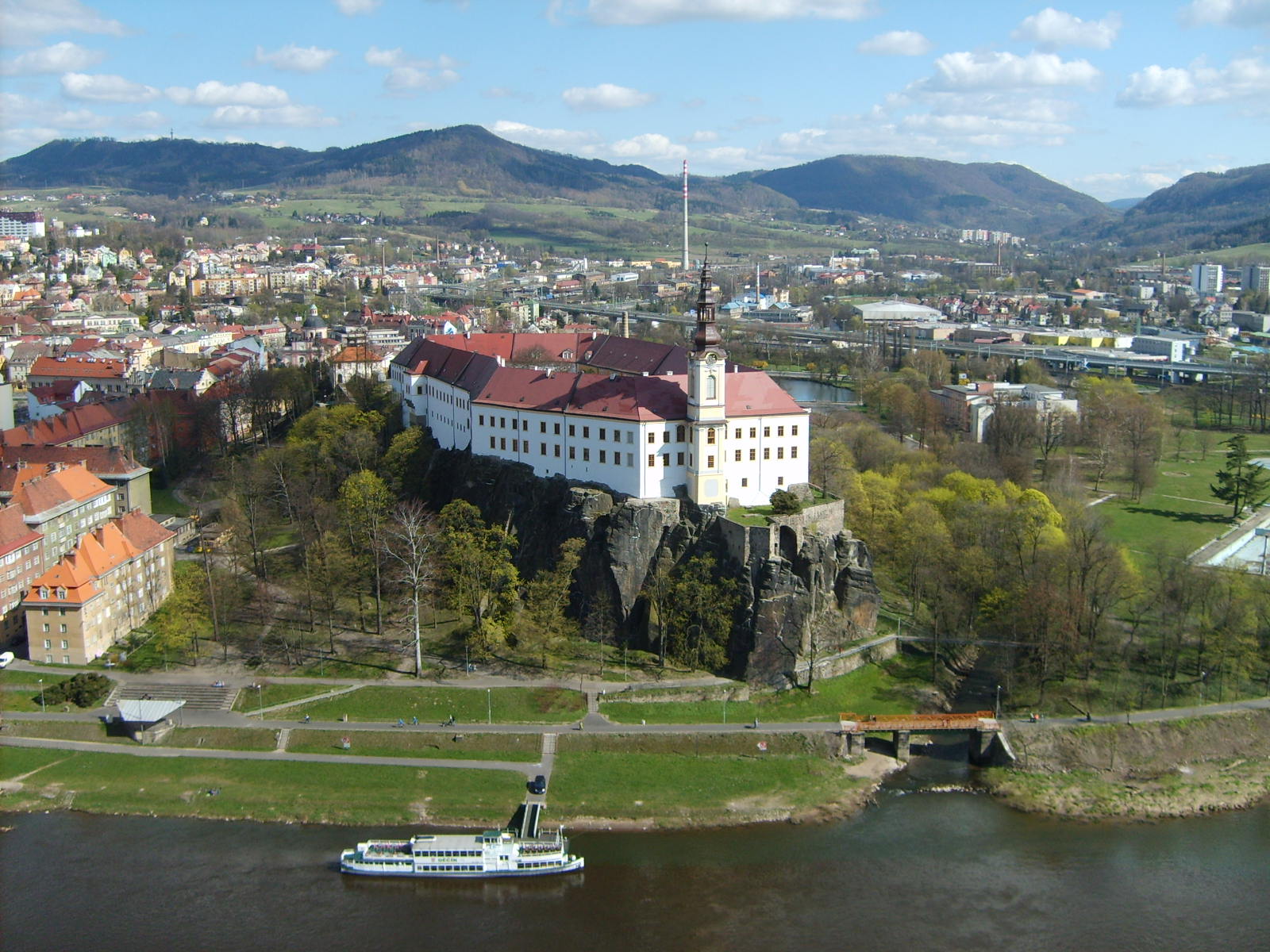
Jílové Castle stands in the small town of Jílové in northern Bohemia, in the Ústí nad Labem region, on the edge of Bohemian Switzerland (České Švýcarsko). It should not be confused with the other Jílové near Prague, known for its gold-mining past — this is a Renaissance residence built on the site of an older moated fortress.
Where did the castle come from?
A fortified tower once stood on this spot. It was replaced in 1370 by a moated stronghold surrounded by water. The real transformation began after 1527, when the estate was bought by Heinrich von Bünau. The Bünaus, a Protestant knightly family, added two storeys to the old fortress, and in 1574 turned it into a proper Renaissance castle.
What happened after the Thirty Years' War?
After the Battle of White Mountain in 1620, the Protestant Bünau family was forced to give up its lands. The estate passed in 1628 to Christoph Simon von Thun. It was under the Thun family, and specifically under Count František Zikmund Thun-Hohenstein (1639–1702), Grand Prior of the Order of Malta in Bohemia, that the castle took on the shape it largely still has: the main building was reworked in the second half of the 17th century, and a romantic park with a Neoclassical pavilion was laid out around it. The Thun-Hohenstein family held the estate until 1945.
How did the castle fare in the 19th and 20th centuries?
By 1842 the building stood empty, so Josef Münzberg rented it and set up a wool-spinning mill and cloth manufacture there — for decades the castle served industry rather than nobility. On 19 April 1945 it was badly damaged during air raids connected with the bombing of Ústí nad Labem. After the war, the Thun-Hohenstein property was confiscated and the German-speaking population of the region was expelled.
What can visitors see there today?
The castle only passed to the town of Jílové in 2000, which then began a costly restoration of the building, the surrounding park and the other structures on the grounds. The ground floor and first floor have been restored, and the vaulted Renaissance cellars now house an exhibition on the town's history. A visit today covers three parts: the history of Jílové and its surroundings, the history of fluorite mining at nearby Děčínský Sněžník, and a walk through the furnished rooms of the first and second floors. The full tour takes about 75 minutes. The castle now works as the town's cultural and social hub, and its park is open to everyone.
Frequently asked questions
Is this the same Jílové known for gold mining? No. This castle stands in Jílové u Děčína, in the Ústí nad Labem region near the German border. The gold-mining Jílové is a separate town closer to Prague.
Who built the castle in its current form? Its base is the 1574 Bünau rebuilding; the appearance it has today comes mostly from the Thun-Hohenstein reconstruction in the second half of the 17th century.
Was the castle damaged in the war? Yes, it suffered serious damage in an air raid on 19 April 1945.
What can you actually visit inside? Three exhibitions: the history of the town and region, the history of fluorite mining at Děčínský Sněžník, and the historic interiors of the first and second floors. The whole route takes roughly 75 minutes.
When are guided tours available? The guided-tour season runs from June to September, on weekends and public holidays, with a limited number of time slots each day — check the current schedule before visiting.
Nearby places

Earn badges for the places you visit
Download NextOnTrip, discover new places and check off your trails.