About this place
Impasse des Escargots – Slakkengang was once a narrow alley in the Marolles district of Brussels, one of the city's oldest and most distinctive working-class neighborhoods. Its entrance sat between numbers 156 and 160 on Rue Blaes, the district's main thoroughfare, from where it slipped inward between the surrounding buildings in the tight, hidden way typical of Marolles' internal courtyards and passages.
Where the name comes from
The French name translates literally as "Snails' Dead End," while the Dutch versions, "Slakkengang" and "Sleeck straetje," carry the same image: a narrow, twisting passage that could only be walked slowly, almost at a snail's pace. Names like this were common in Marolles — cramped alleys and courtyard passages were often labeled after their physical character rather than after any person or historic event.
Life behind the façades
Marolles has long been the neighborhood where Brussels' poorest residents and newcomers to the city settled. Its proximity to the Jeu de Balle market — one of Europe's oldest flea markets, still held daily on the nearby square — drew street vendors, small tradespeople, and craftsmen who built their homes in exactly these kinds of hidden alleys. Tucked away from the main streets, such passages allowed as many families as possible to be packed into the smallest possible footprint.
Impasse des Escargots itself consisted of 15 small houses that, at their most crowded, held as many as 391 residents. That figure is striking by modern standards — it points to a population density almost unimaginable in a contemporary city, while also illustrating the everyday reality of Brussels' 19th- and early 20th-century working-class quarters. Cramped rooms, poor ventilation, and inadequate sanitation were the norm for the people who lived there.
The end of the alley and its new life
In 1976, the city demolished Impasse des Escargots on public health grounds, judging that the housing conditions in this type of dense, informal construction could no longer be maintained. It was a fate shared by many similar impasses across Marolles, most of which disappeared from the city map over the course of the 20th century amid successive waves of urban modernization and slum clearance.
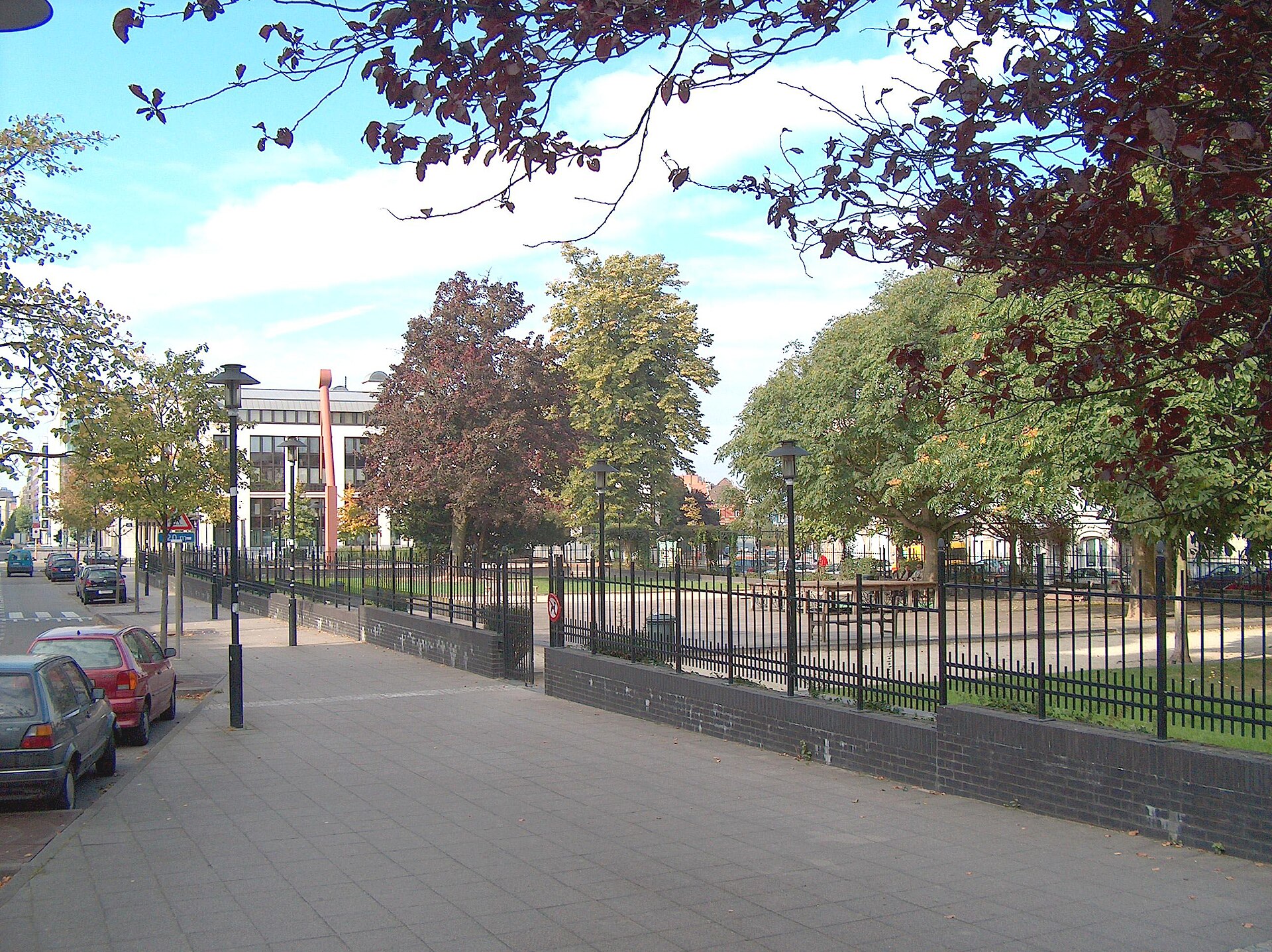
After demolition, the site was converted into a children's playground for the surrounding neighborhood — a use that, in its own way, continues the alley's communal, neighborly character, though today it serves the district's youngest residents rather than generations of families crowded into tiny houses.
A trace in local culture
Even though the alley itself has been gone for decades, its name and history live on in local cultural memory. Impasse des Escargots is still referenced in Brussels theatre performed in "Brusseleer," the Marollien dialect that blends French and Flemish influences and is closely tied to the district's identity. It's a reminder that although the buildings vanished long ago, the alley's name still carries weight as part of what makes Marolles Marolles.
Frequently asked questions
Can you still visit Impasse des Escargots today? No — the original buildings were demolished in 1976. A children's playground now occupies the site.
Why was the alley torn down? The official reason was public health: the cramped, densely populated housing no longer met acceptable living standards.
What's worth seeing nearby? Rue Blaes and the neighboring Jeu de Balle square, home to a daily flea market, are the best starting points for exploring the history and atmosphere of the Marolles district.
Nearby places

Earn badges for the places you visit
Download NextOnTrip, discover new places and check off your trails.