About this place
Iglesia de San Pedro y San Pablo is the main parish church of San Fernando, a town in the province of Cádiz, Andalusia. Standing on Plaza de la Iglesia, right in the heart of the historic quarter, it has been one of the region's most recognizable landmarks for over two and a half centuries.
How did this church come to be?
Construction of the present building began in 1756, replacing a smaller parish church dedicated to Santa María del Castillo de San Romualdo, which could no longer serve the town's growing population (then still known as Real Isla de León). The church was consecrated in 1764, though finishing work continued into the early 19th century — a common pace for large Baroque projects of that era. The original design is attributed to architect Alejandro Perdía, while the building's final appearance, including its distinctive facade details, is credited to Torcuato Benjumeda, one of the leading figures of the Neoclassical school in Cádiz.
What architectural style does it show?
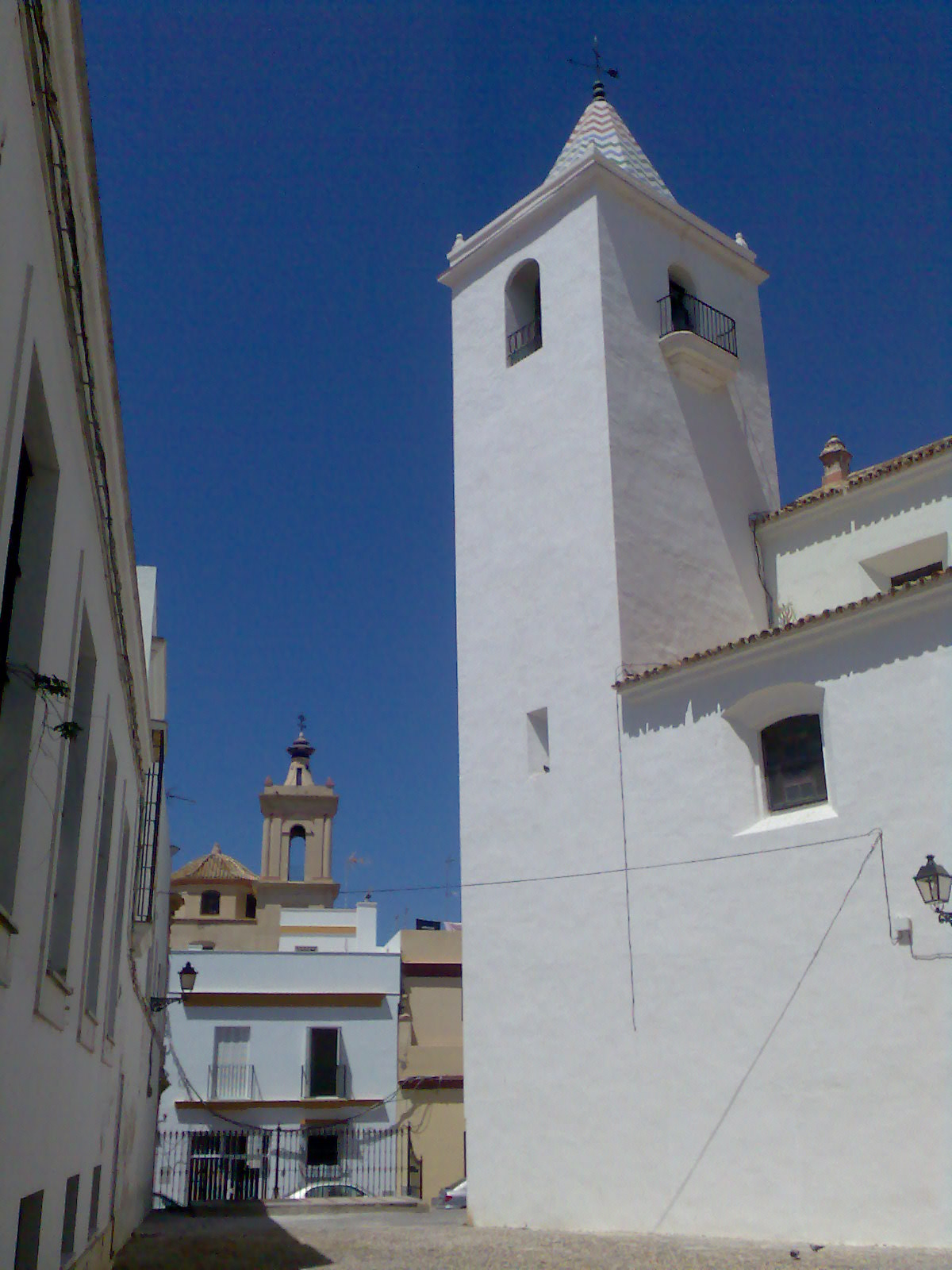
The church blends two styles: late Baroque and Neoclassicism. That combination is clear from the outside, where a monumental facade still carrying Baroque flourishes sits alongside the more restrained, classicizing elements introduced during the later construction phase. The most recognizable feature is a pair of twin towers that greet visitors from a distance and have long served as a visual symbol of San Fernando's old town.
What makes this place historically significant?
The church is more than an architectural landmark — it holds a place in the history of Spanish constitutionalism. On 24 September 1810, during the French siege of Cádiz in the Napoleonic Wars, the deputies of the future Cortes swore their oath here before beginning work on the Spanish Constitution of 1812, popularly known as "La Pepa." That moment permanently wrote San Fernando into the early history of Spain's modern political life. Painter José Casado del Alisal commemorated the scene in a painting completed in 1863, which still hangs today in the Congress of Deputies in Madrid.
How do you get there, and when should you visit?
The church stands on Plaza de la Iglesia, s/n, in the fully walkable historic center of San Fernando, easily reached from the town's main streets, including Calle Real, the former principal commercial artery. San Fernando sits right next to Cádiz, connected by regular train and bus services, which makes the church a convenient day-trip destination from the city. As it remains an active parish church, it's best to plan a visit outside Mass times so you can take in the facade and interior at a relaxed pace. Andalusia's climate allows for comfortable sightseeing nearly year-round, though spring and autumn offer the mildest temperatures for exploring the old town on foot.
Frequently asked questions
When was the Iglesia de San Pedro y San Pablo built? Construction started in 1756, the church was consecrated in 1764, and finishing work continued into the early 19th century.
What architectural style does the church represent? A blend of late Baroque and Neoclassical elements, most visible in the facade and the twin towers.
Why is this church historically important? Because on 24 September 1810 the deputies of the future Cortes swore their oath here before drafting the Spanish Constitution of 1812.
Where exactly is the church located? On Plaza de la Iglesia, s/n, in the historic center of San Fernando, in the province of Cádiz.
Nearby places

Earn badges for the places you visit
Download NextOnTrip, discover new places and check off your trails.