About this place
Convento de San Agustín is a former Augustinian convent in Cádiz, standing on the corner of the busy Calle San Francisco in the heart of the old town, of which only the church, a cloister and a handful of adjoining rooms have survived to this day.
How do you get there?
The church sits in the historic centre of Cádiz, an easy walk from the cathedral and Plaza San Antonio. From the train or bus station it's roughly a ten-to-fifteen-minute stroll through the narrow streets of the old quarter. Calle San Francisco is one of the city's main shopping streets, so finding the building is straightforward even without a map.
What will you see?
Augustinian friars had been present in Cádiz since 1593, but it took until 1617 for them to actually found a convent — construction of the whole complex began that year and wasn't finished until thirty years later, in 1647. Of the original monastic complex, only the church and a cloister with a few adjoining rooms remain.
The church follows a three-nave layout with a spacious transept covered by a dome resting on pendentives, and side chapels lining the naves, endowed by well-known merchant families of Cádiz — a reminder of the era when the city was one of Spain's most important trading ports. On the outside, the marble doorway from 1647 stands out, carved in Mannerist style with distinctive pyramidal pinnacles, ranking among the most accomplished examples of Mannerist architecture in the city.
Inside, a neoclassical main altarpiece by architect Pedro Ángel Albizu dominates the space, alongside seventeenth-century paintings and sculptures, including works by Domingo Álvarez. The church also serves as a shrine for images venerated during Cádiz's Holy Week, housing the Santísimo Cristo de la Buena Muerte and the Cristo de la Humildad y Paciencia, both carried in processions by local religious brotherhoods.
When should you visit?
The church can be visited for most of the year, but Holy Week (Semana Santa) is by far its most striking moment — the images kept inside are carried out in processions through the old town, and the building becomes a focal point for the local brotherhoods. Outside that period, mornings or early afternoons are the quietest times to take in the architecture without competing with tour groups.
Cádiz enjoys a mild climate year-round, which makes wandering the old town — including the area around Calle San Francisco — pleasant in both spring and autumn, when the summer heat has eased off.
Frequently asked questions
Is Convento de San Agustín still an active monastery? No — only the church and a cloister with some adjoining rooms survive from the original convent complex. It now functions as a parish church rather than an active religious community.
How long did construction take? Work on the whole complex began in 1617 and was completed thirty years later, in 1647.
What's the highlight inside the church? The neoclassical main altarpiece by architect Pedro Ángel Albizu, seventeenth-century paintings and sculptures including works by Domingo Álvarez, and the venerated Holy Week images carried in Cádiz's processions.
Is entry free? The church operates as an active parish, so visits typically follow the hours it's open to worshippers — it's worth checking current opening times locally or with the tourist information office before you go.
Nearby places
-

Real Capilla de Nuestra Señora del Populo
Kadyks
-
Iglesia de Santa Cruz
Cádiz
-
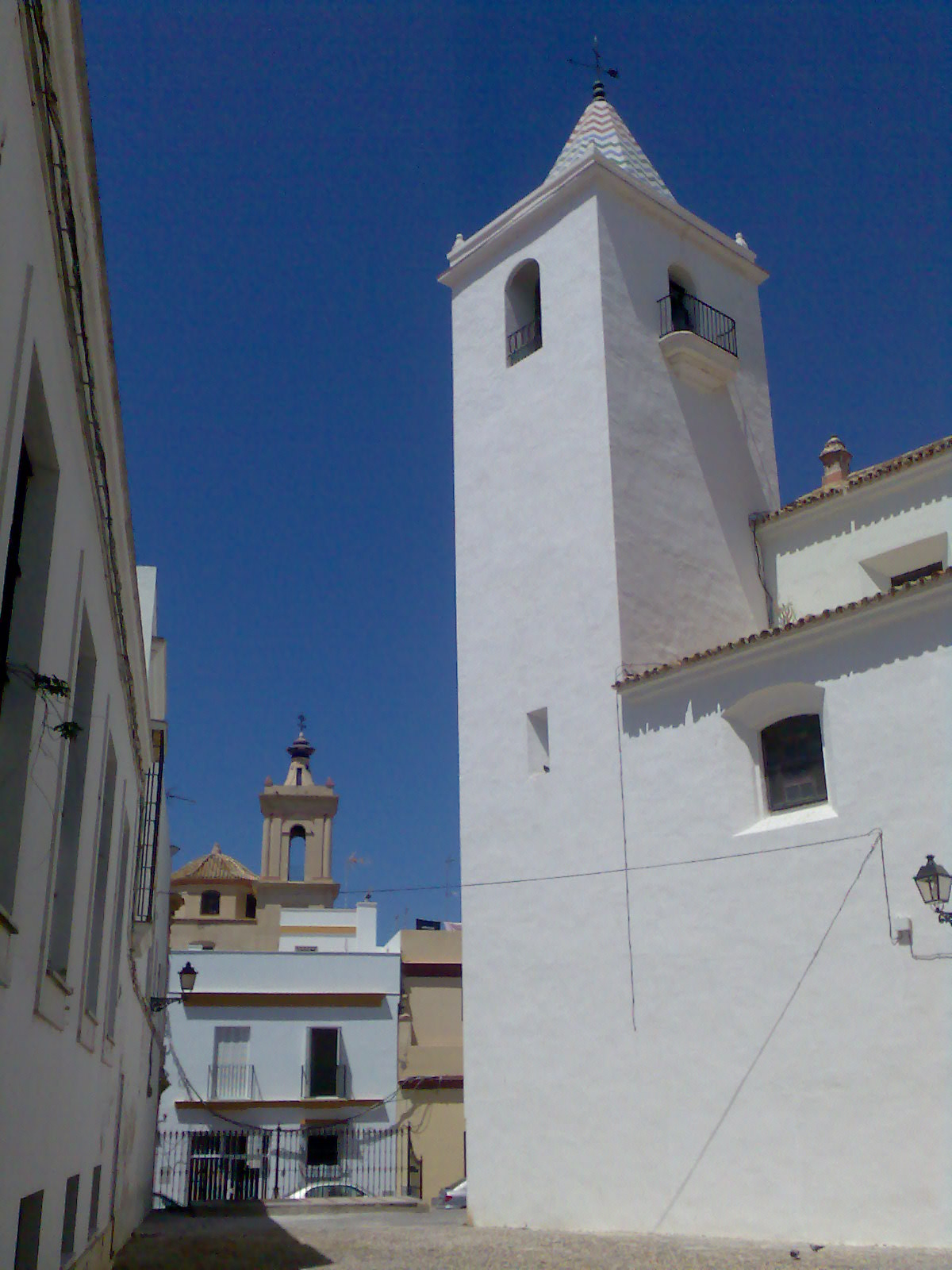
Iglesia de San Sebastián (Puerto Real)
Puerto Real
-
Iglesia de San Pedro y San Pablo (San Fernando)
San Fernando
-
Ermita del Cerro de los Mártires
San Fernando
-
Cloisters of the Church of Santo Domingo, Jerez de la Frontera
Jerez
Earn badges for the places you visit
Download NextOnTrip, discover new places and check off your trails.