About this place
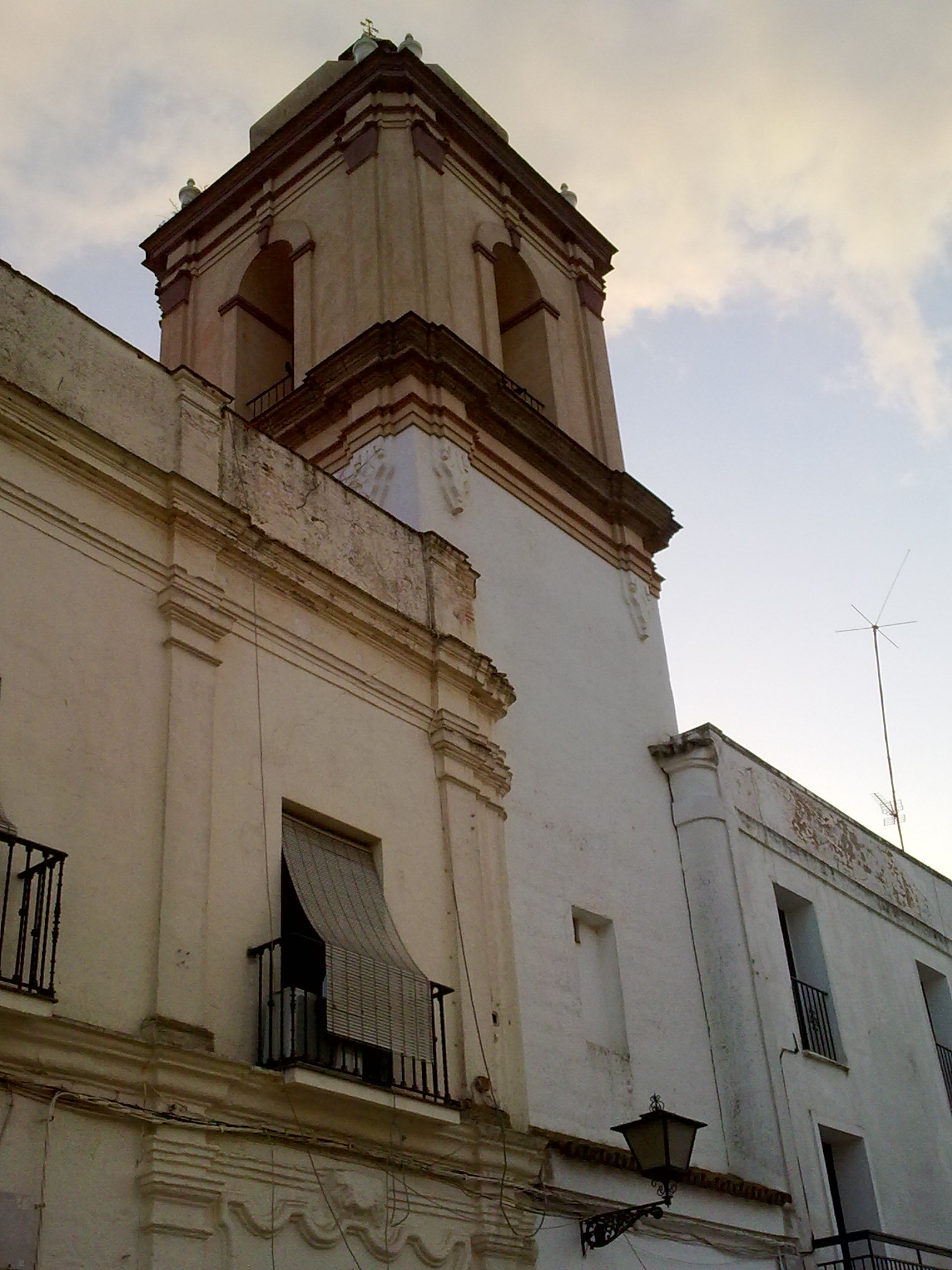
Iglesia de San Bartolomé is the main parish church of Rociana del Condado, a small town in the province of Huelva, in Andalusia. Standing right in the historic heart of town, it has been a local landmark for generations — Saint Bartholomew the Apostle is the patron of the whole municipality, and the church carries his name and image.
How do you get there?
Rociana del Condado sits in the El Condado district of Huelva province, among a cluster of similarly sized towns. The church is located in the old town center, so the easiest approach is to drive into town, park near the historic core, and continue on foot — the old quarter is compact enough to explore comfortably without a car. The church tower is visible from most streets in the center, which makes finding your way there fairly intuitive.
What will you see inside and outside?
The building you see today was designed by architect José María Pérez Carasa and constructed between 1936 and 1958 in a neo-baroque style, built mainly in brick. It replaced an earlier church that burned down in 1936 during the Spanish Civil War. That previous structure dated back to the Mudéjar period of the 15th and 16th centuries, and had already been rebuilt once, after the major earthquake that struck the Iberian Peninsula in 1755, with repairs overseen by the Seville-based architect Ambrosio de Figueroa.
The current church follows a basilical, Latin-cross floor plan with three naves — the central nave rises noticeably higher than the two side aisles, giving the building its distinctive raised roofline. Above the transept sits a dome resting on pendentives, carried by four sturdy pillars, one of the most striking features of the interior. From outside, the elegant bell tower stands out: it's divided into two sections, with the upper section housing the bells, and the whole structure is capped with a pyramidal spire.
Inside, the main altar is dominated by the figure of the Cristo de la Vera Cruz, dating from 1954. Other notable pieces include an Immaculate Conception (Inmaculada) attributed to Castillo Lastrucci, a Virgen de los Dolores by Francisco Buiza, and a Saint John the Baptist (San Juan Bautista) by Elías Rodríguez — all recognized names in 20th-century Andalusian religious sculpture, closely tied to the region's Holy Week traditions.
When is the best time to visit?
Quieter times of day tend to work best, when daylight filters through the windows and lights up the central nave. If your trip coincides with Holy Week, you may catch figures such as the Cristo de la Vera Cruz carried through the streets in procession — a moment when the church and its surroundings come fully alive. Outside that period, Rociana del Condado offers the calmer, unhurried rhythm typical of small Andalusian towns, which for many visitors is precisely the appeal.
Frequently Asked Questions
Is Iglesia de San Bartolomé open to visitors? It functions first and foremost as an active parish church, so access depends on Mass times and the parish schedule — it's worth checking local information or contacting the Diocese of Huelva before planning a visit.
How does the current building differ from the original church? The original church was Mudéjar in style, dating from the 15th and 16th centuries. After it was destroyed in 1936, an entirely new neo-baroque building was constructed on the same site, and that is the church standing today.
What's the most important feature inside the church? The main altar, centered on the 1954 figure of the Cristo de la Vera Cruz, is generally considered the focal point, alongside notable sculptures by artists such as Francisco Buiza and Castillo Lastrucci.
Why is Saint Bartholomew significant for Rociana del Condado? Saint Bartholomew the Apostle is the patron saint of the entire municipality, not just the church — his feast and cult are deeply woven into the town's local identity and yearly calendar.
Nearby places

Earn badges for the places you visit
Download NextOnTrip, discover new places and check off your trails.