- Sacred Monuments
- Religious monuments
Antiguo Convento de Mercedarios Descalzos de la Santísima Trinidad
About this place
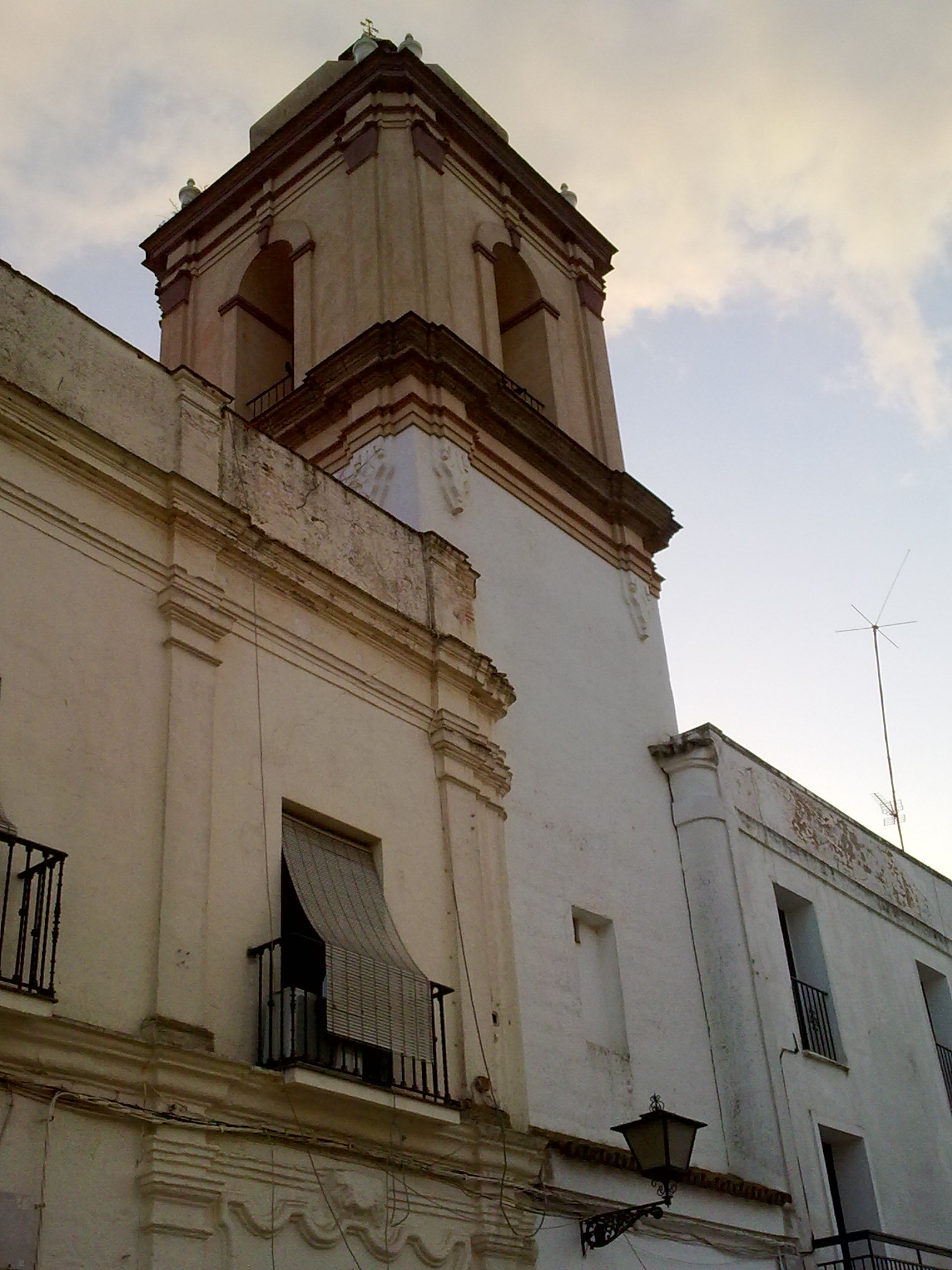
The Former Convent of the Discalced Mercedarians of the Holy Trinity stands in Cartaya, a town in the province of Huelva, Andalusia, Spain. The building ranks among the region's most significant examples of monastic architecture and is listed as a Monument in the General Catalogue of Andalusian Historical Heritage.
What is the history behind the convent?
The site's first convent was built between 1624 and 1628, shortly after the Discalced Mercedarian community settled in Cartaya. That original building served the friars for well over a century, but during the 18th century a string of earthquakes and violent storms left its structure badly damaged. Church authorities first hoped to repair it, yet successive building surveys concluded that the old convent could not be saved and would have to be torn down and replaced.
Work on the present convent began in 1774 and finished in 1778. The project was backed by the General of the Discalced Mercedarian Order, Fray Miguel Ramón de San José. Over the course of construction, three master builders took charge in succession — most likely Pedro Ximenes of Rota, Manuel Tadeo de Mora, and Antonio Ruiz Florindo of Osuna — a sign of how long and demanding the rebuilding effort turned out to be.
What architectural style does the building show?
The convent belongs to the monastic architecture of the second half of the 18th century, sitting right at the turning point between Baroque and Neoclassicism. Its design already leans toward an academic, more restrained treatment of form, typical of the late Spanish Baroque period as decorative excess gave way to clearer, more symmetrical composition.
What was the convent used for?
The Discalced Mercedarians dedicated themselves to spiritual assistance, ransoming Christian captives, and education. Teaching was especially important at Cartaya, where the convent operated as a center of advanced schooling serving communities across the wider Andalusian region. Monastic life and educational activity continued here until 1835, when the wave of convent closures across Spain brought the community's presence in Cartaya to an end.
How do you get to the convent in Cartaya?
The building sits within Cartaya itself, a small town in Huelva province well connected by road to the city of Huelva and to other towns along the Costa de la Luz coastline. Its geographic coordinates are approximately 37.283°N, 7.153°W, making it easy to locate within the town.
What can visitors see on site?
The main draw is the building itself — a clear record of the shift from Baroque ornamentation to Neoclassical discipline. It is one of the region's rare examples of a monastic complex rebuilt from the ground up in the 18th century, after the structural collapse of its predecessor. Its Monument status within the Andalusian heritage catalogue underscores its historical and architectural value for the entire province of Huelva.
Frequently Asked Questions
When was the current convent building constructed? Construction ran from 1774 to 1778, after the earlier convent built between 1624 and 1628 was badly damaged by earthquakes and storms.
Which religious order lived here? The Discalced Mercedarians, an order devoted to spiritual assistance, ransoming captives, and education, active mainly across Andalusia.
Until when was the convent in use? Monastic and educational activity continued until 1835, when the community was dissolved as part of Spain's wider wave of convent closures.
Is the building protected as heritage? Yes, it is listed in the General Catalogue of Andalusian Historical Heritage with the category of Monument.
Nearby places

Earn badges for the places you visit
Download NextOnTrip, discover new places and check off your trails.