About this place
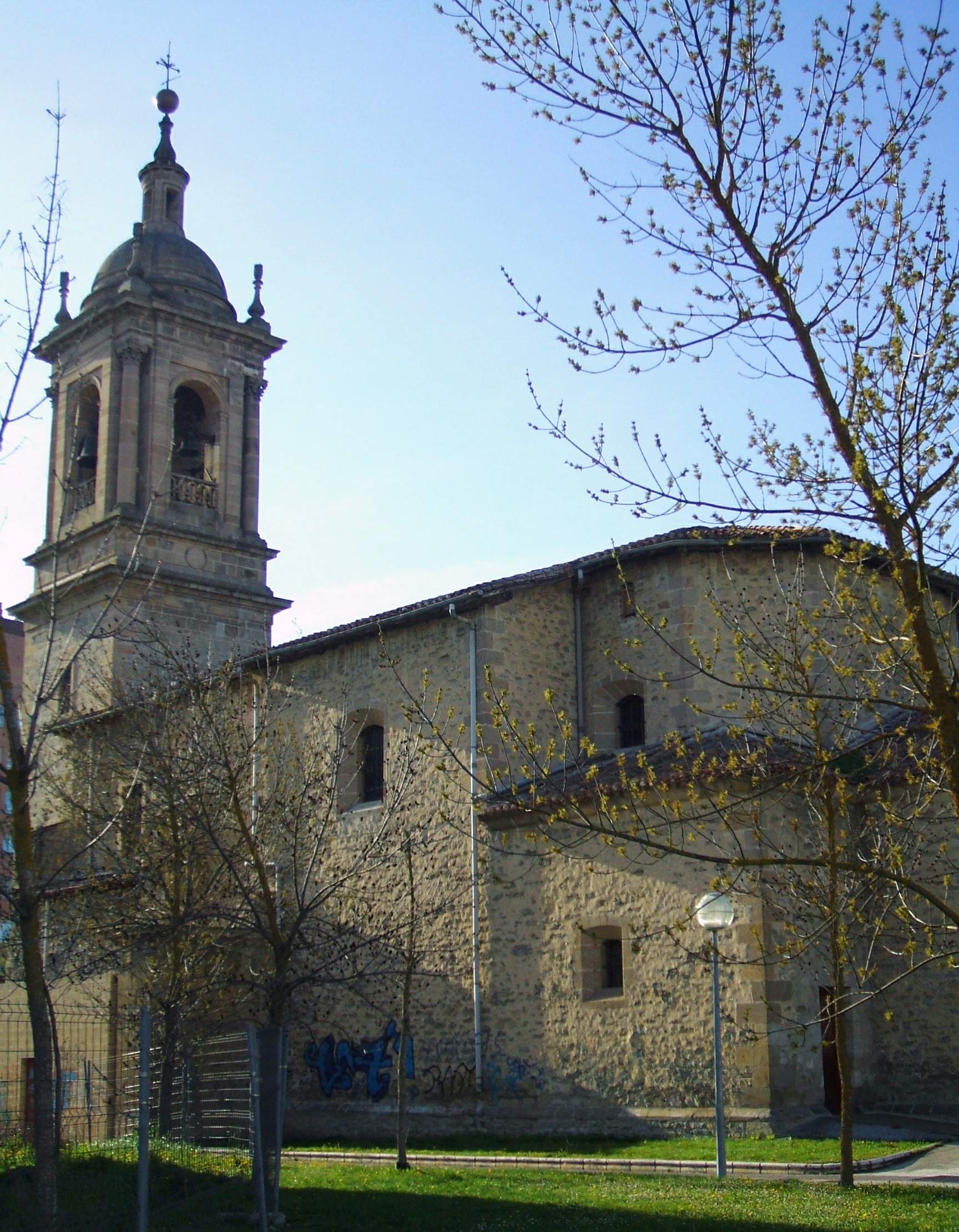
Iglesia de Apodaka (the parish church of San Martín) is the standout landmark of Apodaka, a small settlement within the municipality of Zigoitia, in Álava, Basque Country. The church sits on a raised rocky outcrop above the left bank of the Zaya river (also known as the Lendia), in the Goikolanda quarter — one of the village's two neighborhoods, the other being Bekolanda, closer to the riverbank.
How do you get to Apodaka?
Apodaka lies within the municipality of Zigoitia, in the judicial district of Vitoria-Gasteiz, a short drive from Álava's capital. The easiest way in is by car along the local roads that wind through the Zaya valley. The village itself is tiny and has little in the way of tourist infrastructure, which makes it a good stop for travelers looking for a quiet, authentic corner of the Basque countryside away from the crowds.
What will you see at the church of San Martín?
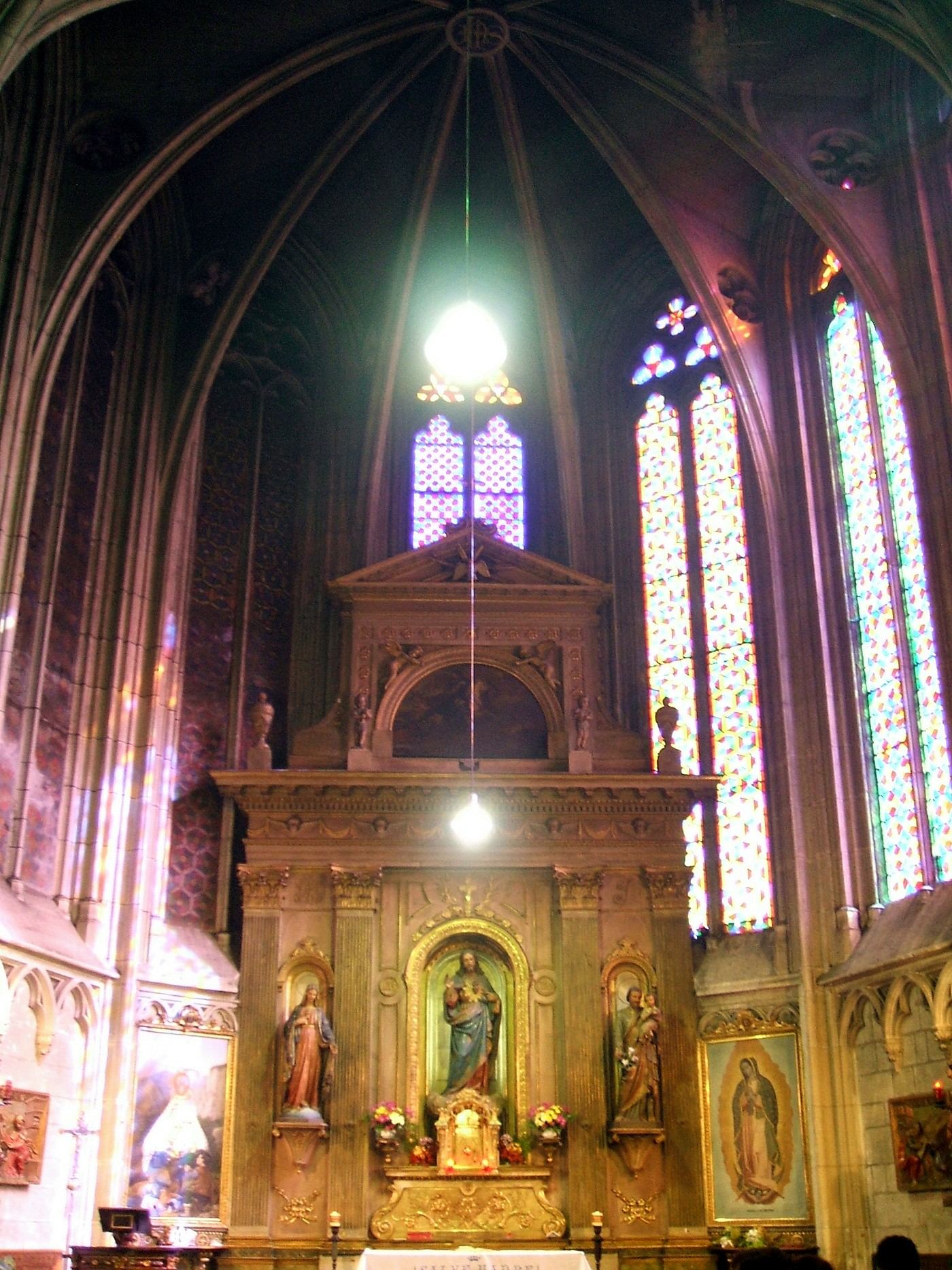
The building follows a single-nave, hall-church plan reinforced with interior buttresses. Its oldest feature is the star-ribbed vault over the presbytery, dating to the late 15th century — older than the rest of the structure. The remaining three bays of the nave are covered with ribbed vaults featuring terceletes, built toward the end of the 16th century. The façade is marked by a Renaissance doorway, also from the 16th century, one of the more notable architectural details of the whole ensemble.
Inside, the church preserves the image of Our Lady of Askoa (Nuestra Señora de Askoa), dated to the late 13th century. The sculpture originates from a former Templar commandery that once existed in the area — a rare trace of the order's presence in this part of Álava. The main altarpiece is Rococo, from the 18th century, its ornate, dynamic style standing in contrast to the austere medieval stonework of the vaults.
When is the best time to visit?
Given the village's small, low-key character, Apodaka is best visited during the day, allowing time for an unhurried walk through both neighborhoods and views over the Zaya valley. Spring and early autumn suit hiking along the paths connecting Apodaka with neighboring villages in the Zigoitia municipality — the terrain is hilly, and the valley views are among the area's main draws.
What else is worth knowing about Apodaka?
The village's name is tied to its position along the river, which changes its name at this point — from Zaya to Lendia — a small geographic curiosity locals like to point out. Despite its size, the village retains a clear layout split between its two historic neighborhoods, a pattern typical of old Basque settlements that grew up around a church and along a riverbank.
Frequently asked questions
What is the church in Apodaka called? Its official dedication is to San Martín (Saint Martin) — it is the village's main landmark and the anchor point for both of its neighborhoods.
What is the oldest part of the church? The star-ribbed vault over the presbytery, dating from the late 15th century, older than the rest of the building, which was completed in the 16th century.
What sculpture is kept inside? The image of Our Lady of Askoa, from the late 13th century, which came from a former Templar commandery once active in the region.
Is there anything else to see in Apodaka besides the church? Yes — it's worth walking between the Goikolanda and Bekolanda neighborhoods and taking in the spot where the Zaya river changes its name to Lendia, a small local geographic curiosity.
Nearby places

Earn badges for the places you visit
Download NextOnTrip, discover new places and check off your trails.