About this place
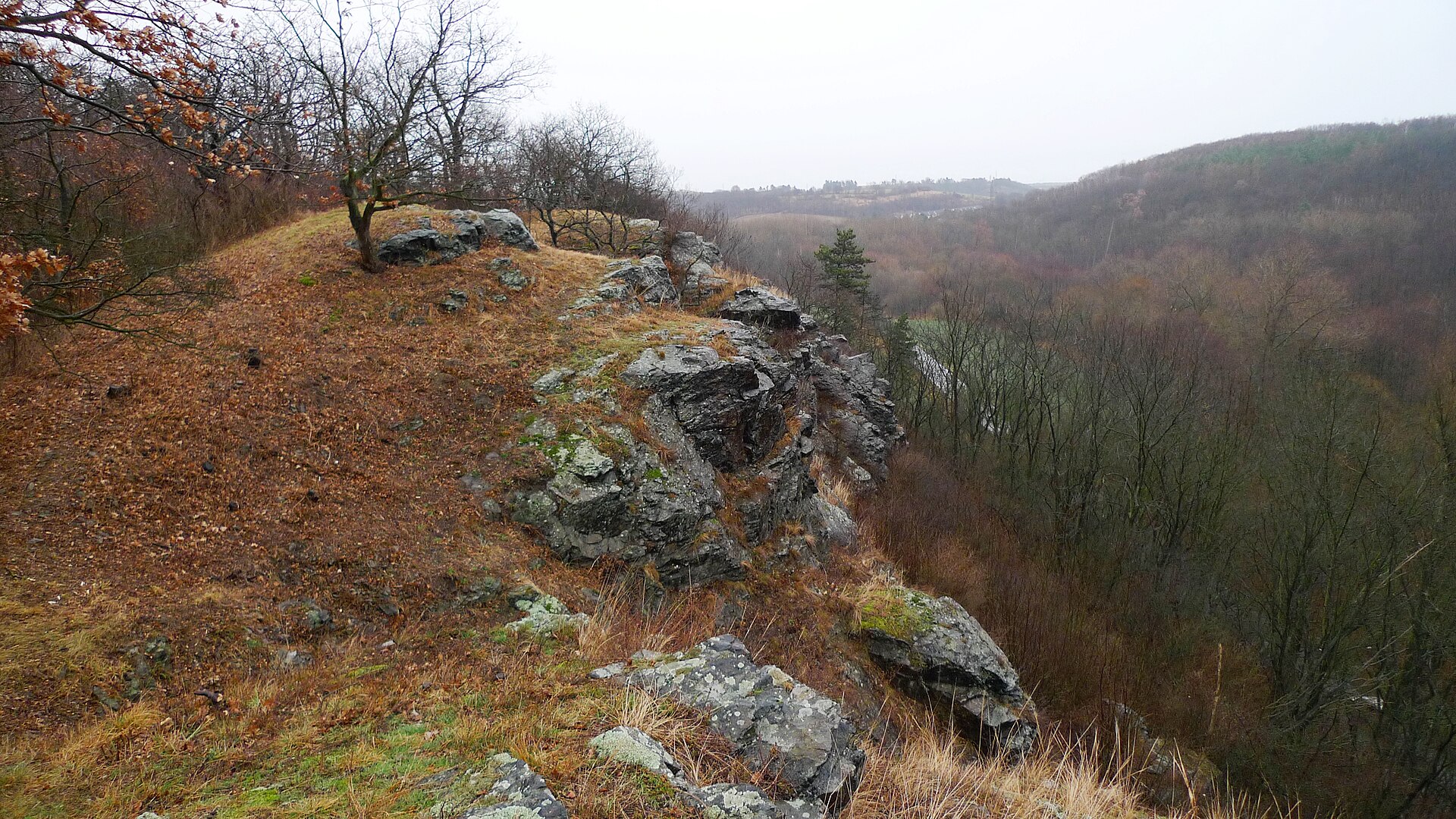
Hlaváčková stráň is a small but ecologically significant nature reserve set on a steep slope descending toward the right bank of the Vltava River, right above the weir and lock at Dolany. The site lies at the southern edge of the Dolánky settlement, part of the municipality of Zlončice in the Mělník district, Central Bohemia. The area was declared a protected natural monument in 2002, established specifically to safeguard a population of the strongly endangered spring pheasant's eye (Adonis vernalis), a plant typical of dry, warmth-loving steppe grasslands.
What does the reserve protect?
The protection covers dry meadows and rocky steppe grasslands, along with the entire community of organisms adapted to the extreme, sun-baked and drought-prone conditions found on this steep, south-facing slope. It is precisely this microclimate — intense sun exposure, fast drainage and thin, stony or loess-based soil — that allows plant and animal species more typical of Eastern European steppes than the wider Central European landscape to persist here.
What plants grow here?
On the upper part of the slope, where wind-deposited loess sediments dominate, communities of xerophilic grasses have developed — species adapted to survive with very little water. These include Wallis fescue (Festuca valesiaca), crested hair-grass (Koeleria macrantha), and two feather grass species, Stipa capillata and the showy Stipa pulcherrima. Feather grasses, recognizable by their long, feathery seed awns, are among the most iconic steppe plants in Central Europe and serve as a strong indicator of well-preserved xerothermic grasslands. Alongside these grasses grow numerous herbaceous species typical of steppe and forest-steppe habitats, together forming a diverse, colorful mosaic that is at its most striking in spring, when the spring pheasant's eye comes into bloom.
Why this particular spot?
The location is key: a steep, warm slope above the Vltava valley, close to a river weir. Such sun-exposed river bluffs have long been difficult to farm or graze intensively, which is exactly why natural and semi-natural plant communities survived here while they disappeared elsewhere under fields and development. The proximity of the river further shapes the local microclimate, reinforcing the "warm island" effect typical of south-facing valley slopes along rivers.
Who is this place for?
Hlaváčková stráň is primarily a destination for botany enthusiasts and nature photographers, especially in spring during the flowering of the spring pheasant's eye, when the slope takes on a truly distinctive character. It's also a worthwhile stop for anyone interested in the landscape of the Vltava valley near Mělník, combining natural value with views over the river and the water infrastructure at Dolany. As a protected nature reserve, the site calls for respectful visits — staying on marked paths and not picking plants — so that this unique enclave of steppe flora can be preserved for future generations.
Frequently asked questions
When is the best time to visit Hlaváčková stráň? Early spring is the most rewarding time, when the spring pheasant's eye blooms and the steppe grasslands come back to life after winter.
What is the spring pheasant's eye? It's a strongly endangered, protected herbaceous plant from the buttercup family, typical of dry, warmth-loving steppe grasslands, known for its bright yellow flowers that appear in early spring.
Where exactly is the reserve located? On a steep slope on the right bank of the Vltava River, at the southern edge of the Dolánky settlement within the Zlončice municipality, Mělník district, directly above the weir and lock at Dolany.
Since when has the area been protected? The site was declared a protected nature reserve in 2002.
Nearby places

Earn badges for the places you visit
Download NextOnTrip, discover new places and check off your trails.