About this place
The Hermitage of San Martín de Tours sits right at the entrance to Orio, on a hill overlooking the mouth of the Oria River and the Bay of Biscay. It is one of the oldest devotional sites in this part of Gipuzkoa and a recognized waypoint on the coastal route of the Camino de Santiago.
How do you get there?
The chapel stands right next to the parish church of San Nicolás, at the main entrance to the town of Orio. From the town center it's a short walk of about ten to fifteen minutes, climbing the slope toward the hill, with the estuary and the sea opening up below as you go. This stretch overlaps with the marked path of the Camino de Santiago del Norte, so pilgrims and coastal hikers pass the hermitage almost as a matter of course.
What will you see?
The building standing today dates from the 16th century, raised over the foundations of a much older structure that predates the 13th century. Local tradition holds that this hermitage was in fact the original parish church of Orio, before today's parish church was built in the town center.
Architecturally it is modest: a single nave built in cut sandstone masonry, roofed in timber. It's a straightforward example of late medieval rural building in the region — no ornamentation, but a solid, weathered character that fits its exposed hilltop setting. Inside, three altarpieces hold figures of Saint Martin (the hermitage's patron), Saint Sebastian, the Crucified Christ, and Saint Anne. Perched above the town with open views of the sea, the building feels removed from the bustle of Orio despite being just steps from its center.
The hermitage is catalogued as a monument tied to the coastal branch of the Way of Saint James, marking it as one of the recognized stops along this stretch of the pilgrimage route.
When should you visit?
The liveliest moment of the year falls on November 11th, the feast day of Saint Martin of Tours, the hermitage's patron. Residents of Orio traditionally make their way up to the chapel that day to celebrate, which gives the site a living, still-practiced character rather than that of a monument frozen in time. Outside that date, the hermitage works well as a quiet viewpoint and a stop along a coastal walk — daytime visits make the most of the light over the river mouth and the shoreline.
What pairs well with a visit?
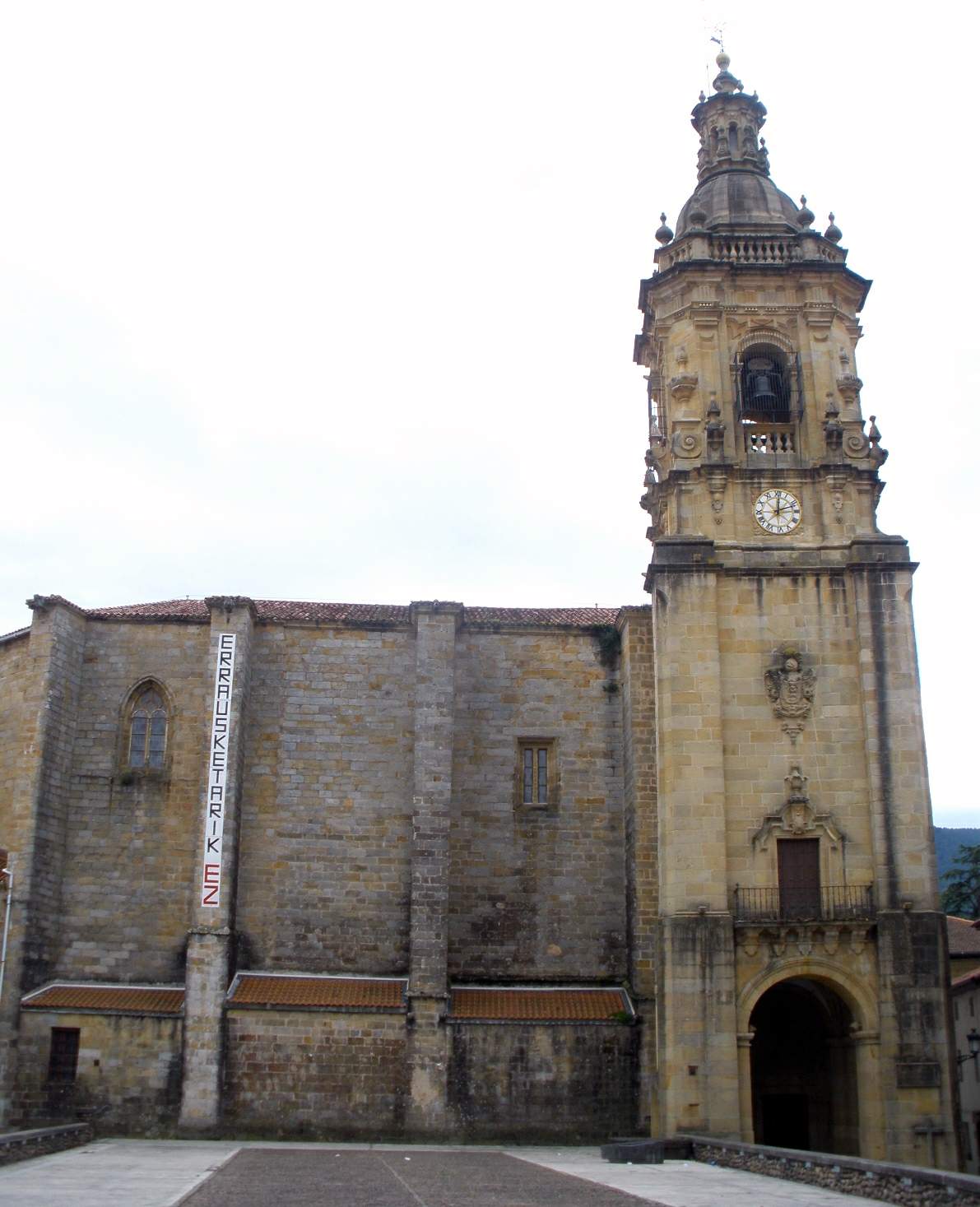
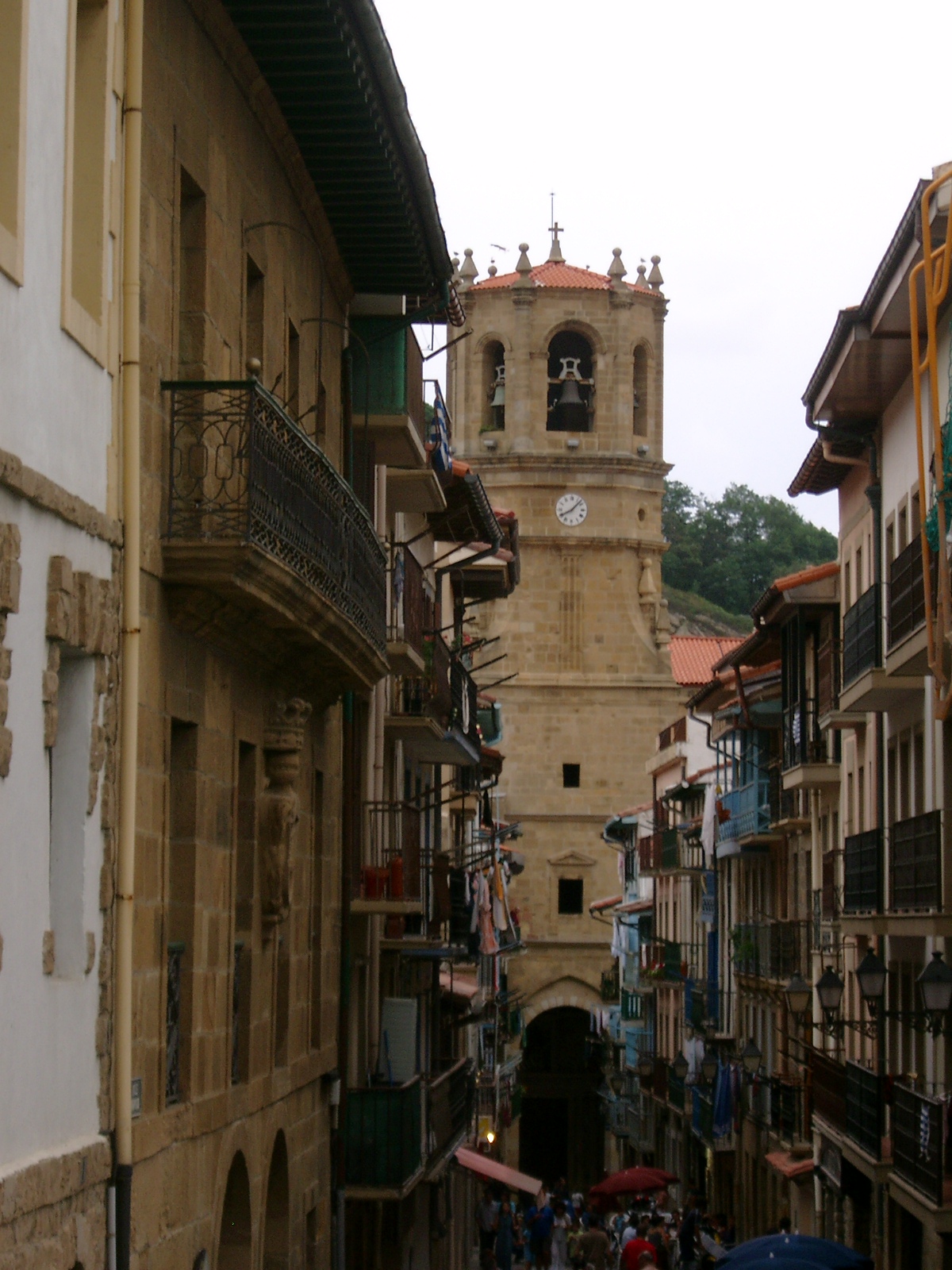
Given its position right at the edge of town, the hermitage is easy to combine with a walk through Orio itself — a coastal town known for its rowing regattas, its beach, and the church of San Nicolás. A short stroll along the coast toward the mouth of the Oria River lets you take in both the chapel and the striking landscape where the river meets the sea.
Frequently asked questions
How old is the Hermitage of San Martín de Tours? The current building dates from the 16th century, but it was built over the foundations of an older structure that existed before the 13th century, making it one of the oldest religious sites in the area.
Is the hermitage part of the Camino de Santiago? Yes, it is catalogued as a monument on the coastal branch of the Way of Saint James and sits directly along the pilgrimage route.
What can you see inside? The interior holds three altarpieces with figures of Saint Martin, Saint Sebastian, the Crucified Christ, and Saint Anne, inside a simple single-nave space with a timber roof.
Are there any celebrations held here? Yes — on November 11th, the feast day of Saint Martin of Tours, residents of Orio traditionally gather at the hermitage to mark the occasion.
Nearby places

Earn badges for the places you visit
Download NextOnTrip, discover new places and check off your trails.