About this place
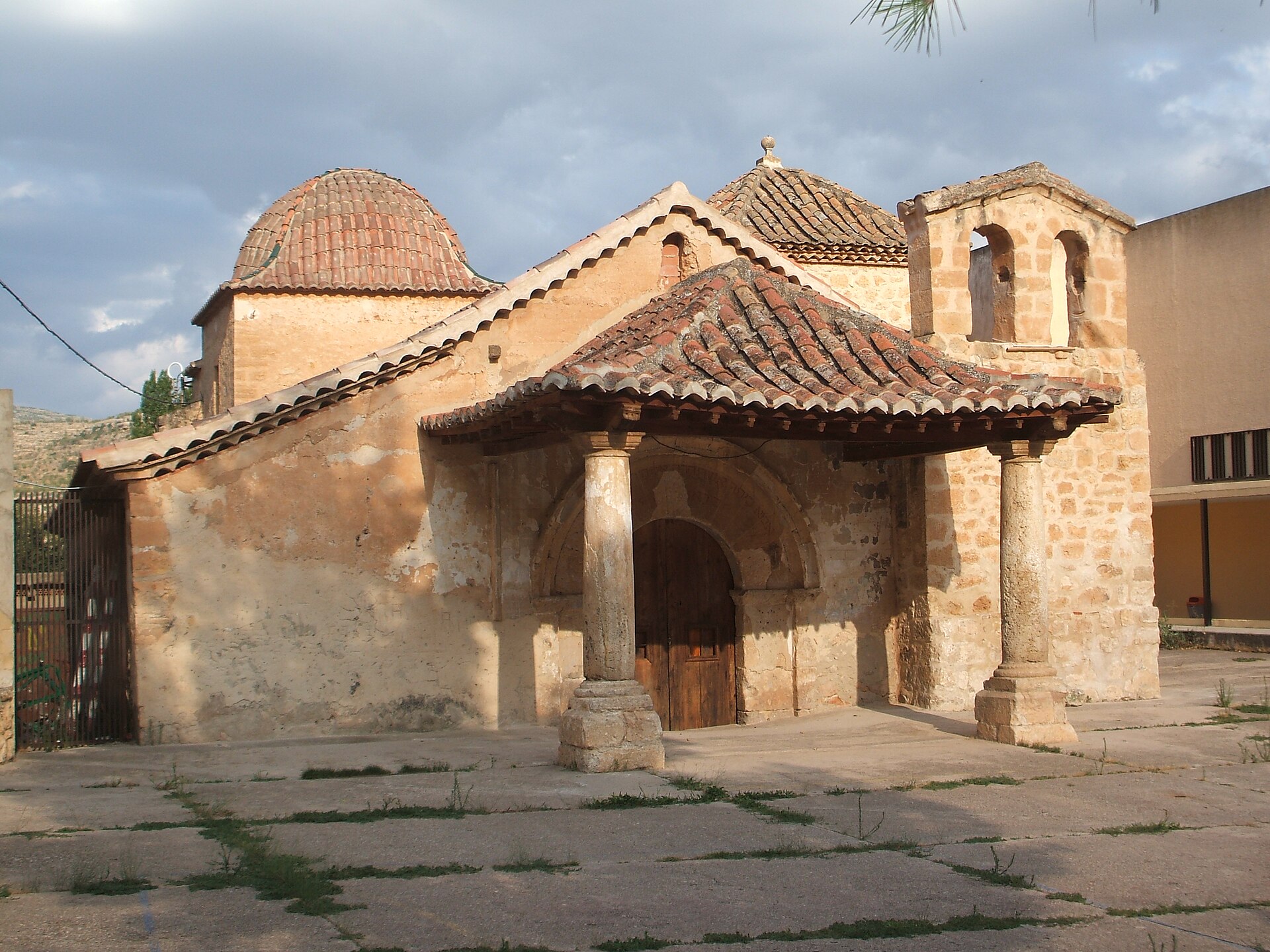
The Hermitage of Saint Joaquin is a small Gothic chapel in Ademuz, tucked at the end of a narrow passage between two houses on the steep Calle San Joaquín in the old town. It is easy to miss on a map, yet it tells more about the region's history than many larger monuments.
What is this place?
The building started life as the chapel of the former Hospital de Pobres de Santa Ana de Ademuz (Hospital for the Poor of Saint Anne). This charitable institution was founded in 1446, when Juan de Navarra, brother of King Alfonso V of Aragon, granted the town authorities permission to establish a shelter for the poor and sick. The chapel served as a place of prayer for the hospital's residents and staff.
Today the hermitage carries particular regional weight: it is the only surviving trace of the four hospitals that once operated in the Rincón de Ademuz — a historic district of the province of Valencia that sits geographically within Aragon's borders but is administered as part of Valencia.
What will you see?
The building is small, with a square floor plan. Its most distinctive architectural feature is a set of Gothic arches repeated almost identically in three places: the entrance doorway, the main altar, and the eastern interior wall. This repetition of the same arch form across three structural points is a rare and valued detail of the region's Gothic religious architecture.
The interior retains its original stone altar, built directly into the structure rather than added as a movable liturgical piece — making it an integral part of the building itself. The hermitage is listed as a Bien de Relevancia Local (Property of Local Relevance) under reference number 46.09.001-003, giving it formal legal protection as local heritage.
No religious services currently take place here, and the building is undergoing restoration work aimed at preserving its Gothic structure for future generations.
How do you get there?
Ademuz lies in the province of Valencia, within the Rincón de Ademuz — an enclave geographically tied to Aragon but administratively part of Valencia. The hermitage sits in the old town, at the end of an alley between two houses on the steep Calle San Joaquín. Because the old town's streets are narrow and climb steeply, the best approach is on foot, leaving the car on the outskirts of the centre.
When should you visit?
Given the steep approach and the lack of shaded stops nearby, a mild-weather season — spring or autumn — makes for a more comfortable visit. Summers in the Rincón de Ademuz can get quite hot, and climbing through the old town is less pleasant in the heat. Since the building is under restoration, it is worth checking with the local town hall beforehand whether the interior is open to visitors.
Frequently Asked Questions
Is the Hermitage of San Joaquín open to visitors? The building is currently under restoration and holds no religious services. Interior access can vary, so it is best to confirm the current status with Ademuz town hall before your visit.
Why is this small chapel historically significant? Because it is the only surviving trace of the four medieval hospitals that once operated in the Rincón de Ademuz district. It began as the oratory of the Hospital de Pobres de Santa Ana, founded in 1446.
What is the most interesting architectural detail? The Gothic arches repeated in three places on the building — the doorway, the main altar, and the eastern wall — along with the original stone altar preserved inside.
Is it worth combining with other sights in Ademuz? Yes — the hermitage sits within the old town, so a visit naturally takes you through Ademuz's historic streets, where other landmarks of the Rincón de Ademuz district can be found nearby.
Nearby places

Earn badges for the places you visit
Download NextOnTrip, discover new places and check off your trails.