Save this place and discover nearby attractions with NextOnTrip
In the app you can add it to your favorites, see what else is worth visiting nearby on the map, and earn a badge for your visit.
The app is available for iPhone and Android.
About this place
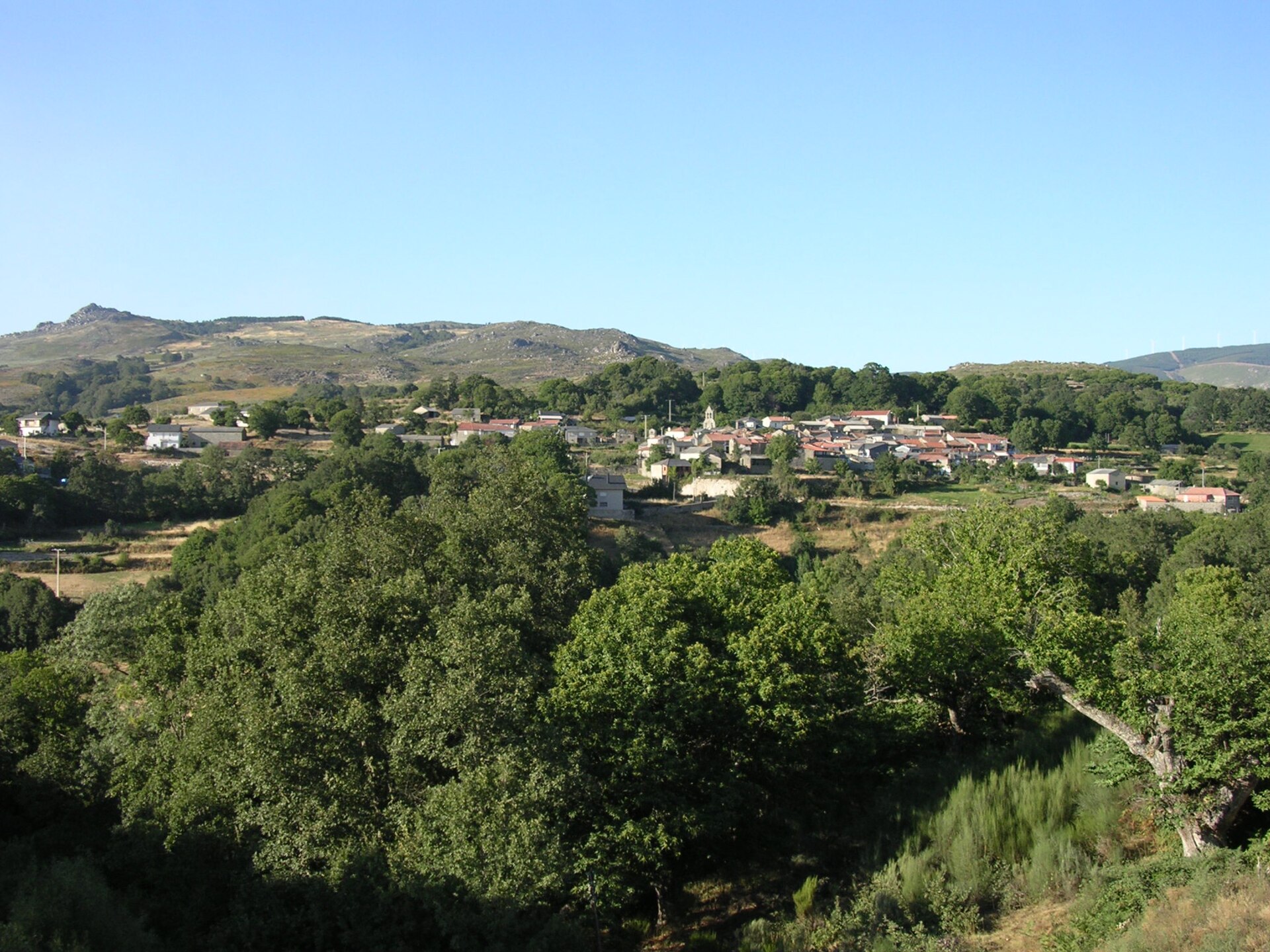
Gruta de Dine, also called Lorga de Dine, is a limestone cave beside the village of Dine in the municipality of Vinhais, in north-eastern Portugal. It is listed as a cultural heritage monument and lies in the area of Montesinho Natural Park. Few places nearby let you see exposed limestone together with evidence of very early human settlement.
What makes the cave unusual?
Most of Vinhais sits on schist. Limestone surfaces only in a handful of spots, including Dine, Fresulfe and Soeira, and this cave formed in that rock. Around the village you can also spot remains of old lime kilns, a reminder of the local trade.
What did archaeologists find?
The cave was surveyed in 1964 and yielded traces of human presence from late Prehistory and Protohistory. Accounts put its use between the 4th and 1st millennium BC. More recent studies describe bone tools recovered here. A small house-museum in the village displays objects found in the cave.
How do you get to Dine?
Take the N103 towards the village, then follow the signposted footpath to the limestone outcrop. Parking in Dine is limited, so leave the car where it will not block the narrow lanes.
How can you visit?
Visits can be arranged through the Vinhais Biological Park (Parque Biológico de Vinhais). Check with them for current rules and dates before you travel, as we do not list opening hours. The cave shelters bats, so keep noise down and skip flash photography.
What else is nearby?
Montesinho Natural Park, created in 1979, covers roughly 75,000 hectares across Bragança and Vinhais. The region is rich in archaeology, with rock art, dolmens and hillforts. The town of Vinhais has a castle and works well as a base.
Frequently asked questions
Where is Gruta de Dine? In the village of Dine, municipality of Vinhais, Bragança district.
How old are the finds? They date from late Prehistory and Protohistory, roughly the 4th to the 1st millennium BC.
Can I enter the cave on my own? Visits are arranged through the Vinhais Biological Park, so contact them first.
Is flash photography allowed? Avoid it. The cave is a bat habitat, and visitors should stay quiet.
Nearby places

Earn badges for the places you visit
Download NextOnTrip, discover new places and check off your trails.