About this place
Grižane Castle is a ruined medieval fortress overlooking the village of Grižane-Belgrad, in the Vinodol valley on Croatia's northern Adriatic coast. Only fragments of its walls remain, but the site still draws visitors interested in history and sweeping views over the valley.
Where does the castle's name come from?
The castle takes its name from the rocky cliffs the locals call "griže," on top of which the fortress was built. The first written record of the castle dates back to 1225, making it one of the older defensive structures in the Vinodol valley.
What is the history behind the ruins?
In the medieval period, the castle served as a strategic defensive point within the Vinodol valley. It suffered serious damage in an earthquake in 1323. Over the following centuries it passed through the hands of powerful noble families — by the 16th century it belonged to Bernardin Frankopan, and from the mid-17th century it was held by the Zrinski family. The castle's fate was sealed in 1671, when its owners' property was confiscated; the privileges once held by the people of Grižane were abolished along with it, and the fortress was most likely abandoned by the end of the 18th century.
What can you see at the site today?
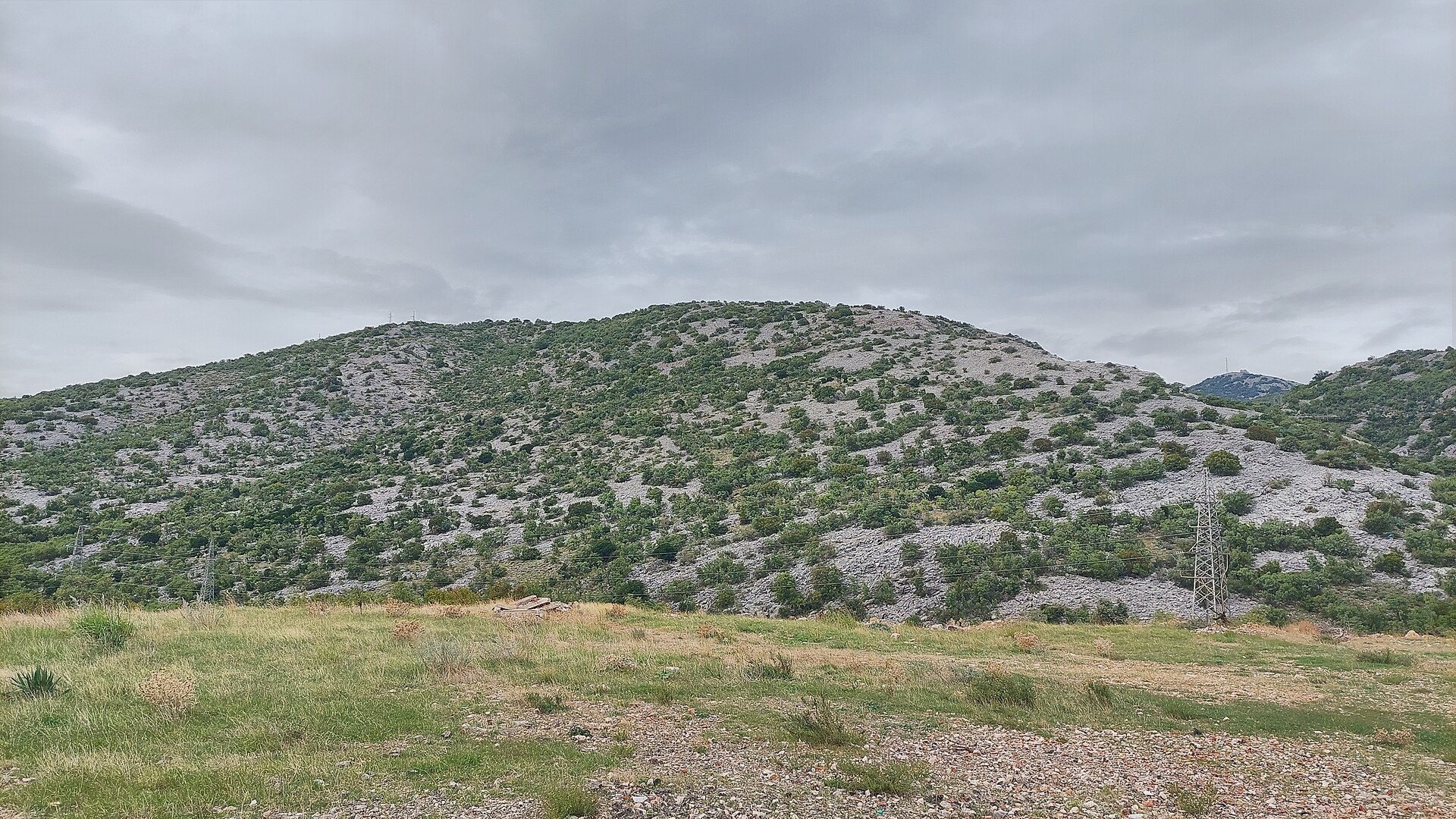
Grižane Castle has an unusual, elongated shape with round towers, a form dictated by the irregular rocky outcrop it was built on. Today, visitors mainly find the remains of the defensive walls, which still make an impression thanks to their commanding position above the valley. Of the nine castles that once stood in the Vinodol region, only three survive today — in Bribir, Grižane, and Drivenik — making this ruin part of a wider historical trail worth exploring together.
How do you get to the castle?
Grižane-Belgrad sits inland in the Vinodol valley, close to popular coastal towns such as Crikvenica and Novi Vinodolski. The easiest way to reach it is by car via the local roads leading inland from the coast — the drive from Crikvenica typically takes about fifteen minutes. The ruins stand on a hill above the village, so the final stretch has to be covered on foot.
When is the best time to visit?
Spring and autumn are the most comfortable seasons, with mild temperatures making the walk up to the ruins easier than in the height of summer heat. If visiting in summer, aim for early morning to avoid the midday sun, since the site offers no shade or tourist facilities.
Frequently asked questions
Is there an entrance fee for the castle ruins? The ruins are open and unfenced, so visitors can explore them freely at any time, free of charge.
How much time should I set aside for a visit? Given the small size of the ruins, walking around and viewing the remaining walls usually takes about 30 to 45 minutes.
Are there other historical sites nearby? Yes — the same Vinodol valley is home to the surviving castles of Bribir and Drivenik, so it's easy to combine several ruins into a single day trip through the region.
Is the site suitable for families with children? The ground is uneven and rocky, with no railings or marked paths, so extra caution is recommended, especially with small children.
Nearby places

Earn badges for the places you visit
Download NextOnTrip, discover new places and check off your trails.