About this place
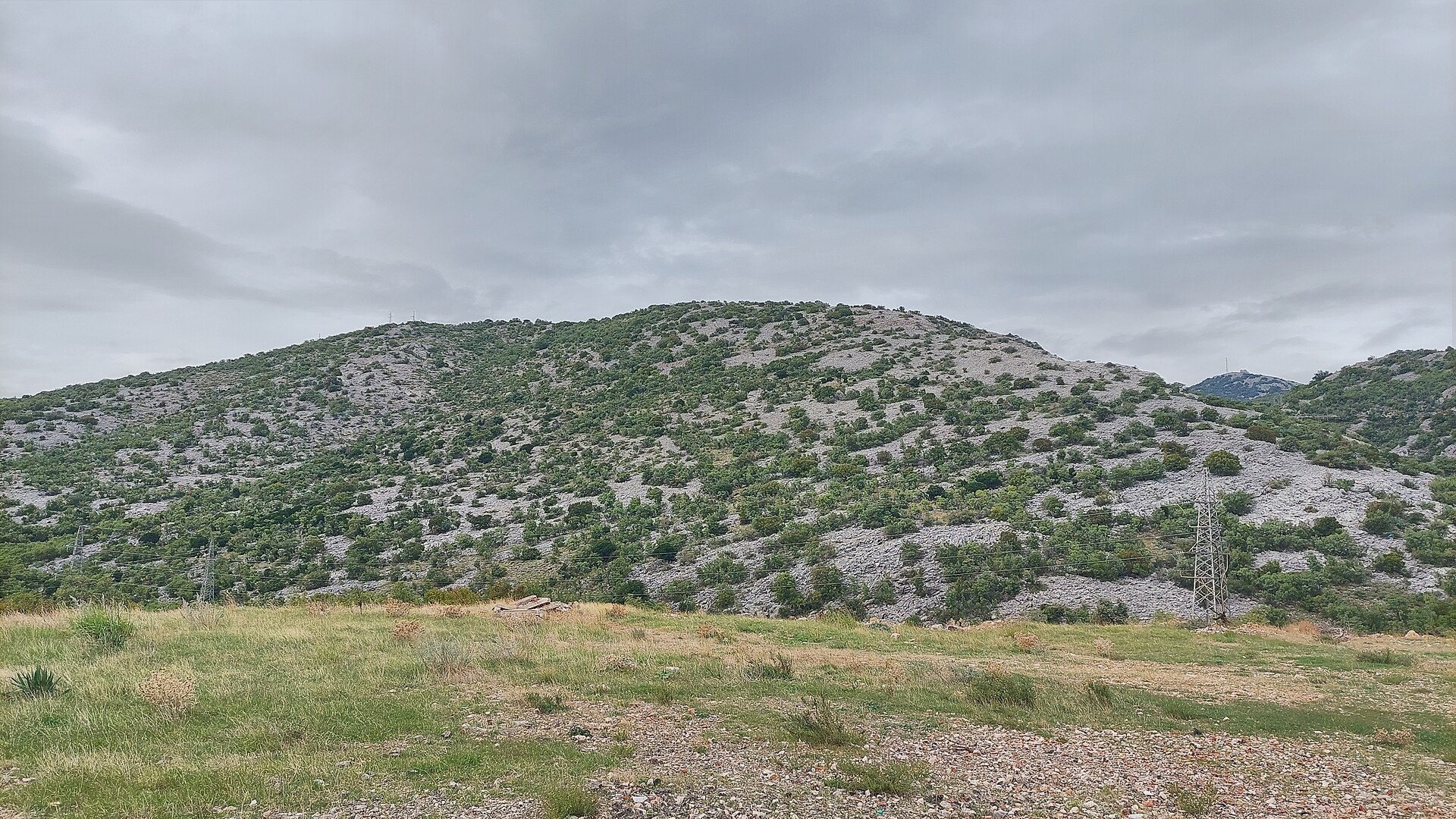
Gradina is a ruined medieval hillfort rising above the village of Ledenice, in the Vinodol valley in Croatia's Kvarner region. Perched at roughly 260 meters, the hill once served as a lookout point and stronghold guarding the valley and the coast against raids from inland.
What is Gradina?
Gradina is what remains of a fortified hilltop settlement already in existence in the 13th century — its representatives took part in drafting the Vinodol Code of 1288, one of the oldest legal codes in this part of Europe. From 1225 the settlement belonged to the princes of Krk, later known as the Frankopans from the 15th century onward, and it was one of nine Vinodol communes that joined the code. Its defensive walls featured a walkway for guards, corner towers and numerous loopholes, and the stronghold played a key role in defending the valley all the way to Grobnik and Trsat. The plague of 1463 marked the beginning of the end — survivors resettled lower in the valley near fertile farmland, and once Lika was freed from Ottoman rule at the close of the 17th century, the hill's strategic importance faded for good.
How do you get to Gradina?
The starting point is the village of Ledenice itself, tucked in the Vinodol valley within easy reach of Novi Vinodolski and the Kvarner coastline. A marked footpath climbs from the village center to the summit, taking roughly ten to thirty minutes on foot depending on pace and fitness. The ground is rocky and steep in places, so sturdy walking shoes are worth packing, especially after rain.
What will you see there?
At the top, sections of the perimeter walls survive along with traces of corner towers and the rough outline of the former settlement, enough to picture the scale of the old stronghold. What draws most visitors today, though, is the view — the summit opens onto a sweeping panorama of the Vinodol valley, the hills behind it, and Kvarner Bay with its islands visible on a clear day. The site stays quiet and uncrowded, making it a pleasant spot for unhurried exploring and photography.
When is the best time to visit?
Spring and autumn are the best seasons for climbing up to Gradina, with mild temperatures for the walk and cleaner air that usually means better visibility. In summer, an early morning or late afternoon visit is recommended to avoid the heat on this open, largely shadeless terrain. In winter the path can turn slippery after rain, though the views remain just as rewarding on a clear day.
Frequently asked questions
Is there an entrance fee for Gradina? No, the ruins and the footpath leading up to them are free to visit year-round.
How long does the climb take? Depending on fitness, the walk up from Ledenice typically takes anywhere from about ten minutes to half an hour one way.
Is the trail suitable for children? Yes, the path requires no special preparation, though the rocky and occasionally steep ground calls for care and comfortable footwear.
What can you combine with a visit to Gradina? It pairs well with a stroll through Ledenice village itself and a short trip down to nearby Novi Vinodolski, which offers beaches and a seafront promenade on the Kvarner coast.
Nearby places

Earn badges for the places you visit
Download NextOnTrip, discover new places and check off your trails.