About this place
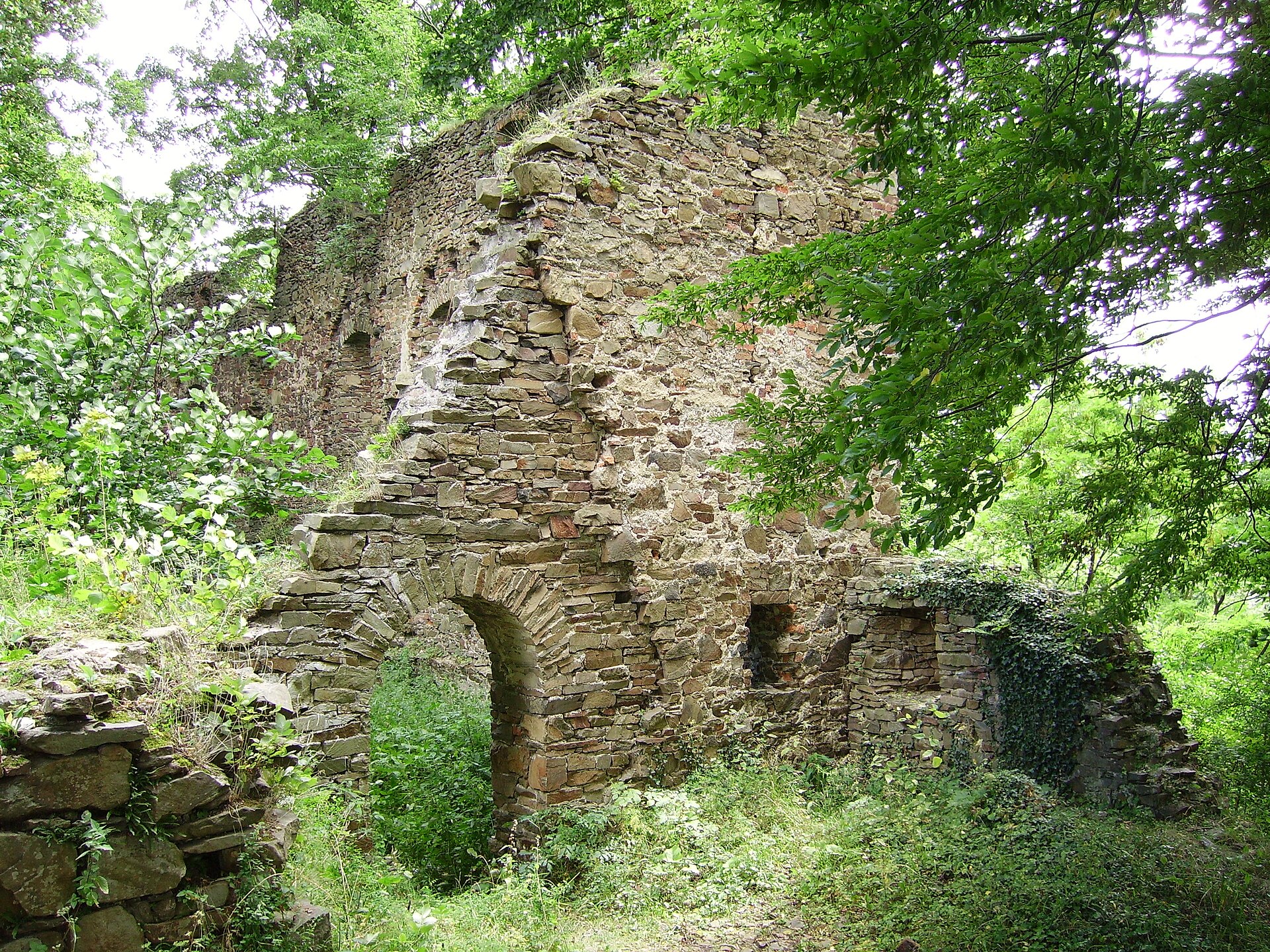
Fulnek Castle overlooks the small town of Fulnek in the Moravian-Silesian Region of the Czech Republic, and it isn't one building but two joined complexes — the Upper and the Lower Castle — shaped by nearly seven centuries of changing owners. The site owes much of its fame to a four-year stay by Jan Amos Komenský (Comenius), the last bishop of the Unity of the Brethren and one of the most influential educators in European history.
When was Fulnek Castle first mentioned?
The earliest written record of Fulnek dates back to 1293, when the estate belonged to the Lords of Lichtenburg. A Gothic stronghold guarding the old border between Moravia and Silesia is believed to have been built around the turn of the 13th and 14th centuries, and by 1372 the property was in the hands of the Lords of Kravaře, who held it for a long stretch. Ownership later passed to the Šternberk and Žerotín families before Silesian nobleman Oldřich Cetrys of Kynšperk bought the estate in 1540.
How did the castle become a Renaissance chateau?
Through his wife's second marriage, the property passed to Baltazar of Schweinitz, who began turning the medieval stronghold into a Renaissance residence. The decisive rebuilding took place in the 1570s, when the complex was reshaped into a two-storey, four-wing Renaissance chateau designed by an Italian architect. From that point the site has consisted of two linked parts: the older Upper Castle, later remodelled in Baroque style on its Gothic foundations, and the younger Lower Castle, raised in Renaissance form in the second half of the 16th century.
What is the Comenius connection?
Between 1618 and 1621, Jan Amos Komenský lived and worked in Fulnek as the last bishop of the Unity of the Brethren, earning the later epithet "Teacher of Nations." His years there fed directly into the educational thinking he would develop further after being forced into exile following the Battle of White Mountain. The Skrbenski of Hříšť family, who had carried out further building work on the castle, subsequently had the estate confiscated for supporting the Unity of the Brethren.
What happened to the castle during and after the Thirty Years' War?
Swedish troops occupied Fulnek during the Thirty Years' War and withdrew only once the conflict ended. From 1622 the estate belonged to Count Václav Bruntálský of Vrbna, whose family kept it until 1788, when it was bought by Karel Čejka, a wealthy merchant from Opava. In 1842 the property changed hands again, purchased by Baron Kristián Friedrich Stockmar acting on behalf of King Leopold I of the Belgians.
How did the 1801 fire change the castle?
A major fire in 1801 swept through the town and damaged part of the chateau complex. The rebuilding that followed gave the castle much of the appearance it still carries today, meaning its current form largely reflects work carried out at the turn of the 18th and 19th centuries.
Can visitors tour Fulnek Castle today?
The castle is currently in private hands and is not open to the public. It is undergoing renovation, with part of the complex planned for conversion into a hotel.
Frequently asked questions
Who built Fulnek Castle? The original Gothic stronghold was raised around the turn of the 13th and 14th centuries under the Lords of Lichtenburg and later the Lords of Kravaře; its Renaissance form came in the 16th century under the Cetrys and Schweinitz families.
Why is Fulnek linked to Jan Amos Komenský? Komenský lived and worked in Fulnek from 1618 to 1621 as the last bishop of the Unity of the Brethren, before being forced into exile after the Battle of White Mountain.
Is Fulnek Castle open to visitors? No — it remains privately owned and is currently being renovated, with part of the site earmarked as a future hotel.
How many parts does the castle complex have? Two connected structures: the older Upper Castle, rebuilt in Baroque style on Gothic foundations, and the younger, Renaissance-style Lower Castle.
Nearby places

Earn badges for the places you visit
Download NextOnTrip, discover new places and check off your trails.