About this place
The Fuentesaúco Town Hall occupies a central spot in this small town in the province of Zamora, Castilla y León, Spain. Standing at Plaza Mayor number 1, the building's whitewashed facade, balcony, and municipal coat of arms have marked the rhythm of local life for generations — council sessions, administrative errands, and festive gatherings all revolve around this address.
Where exactly is it located?
You'll find the town hall right on Plaza Mayor, Fuentesaúco's main square, postal code 49400. This is the town's showcase location: the square is lined with stone houses bearing carved heraldic shields, remnants of noble families who settled here centuries ago. The plaza itself has an irregular, picturesque layout, typical of towns in this region that grew organically around a market center rather than following a planned grid.
What else can you see nearby?
Fuentesaúco carries a surprisingly deep history for its size. A short walk from the town hall stands the town's most important landmark, the Church of Santa María del Castillo, declared a National Monument by decree on December 7, 1973. That church, rather than the town hall, is the architectural symbol most associated with Fuentesaúco, but the two buildings sit close enough together that visitors naturally see both in a single stop.
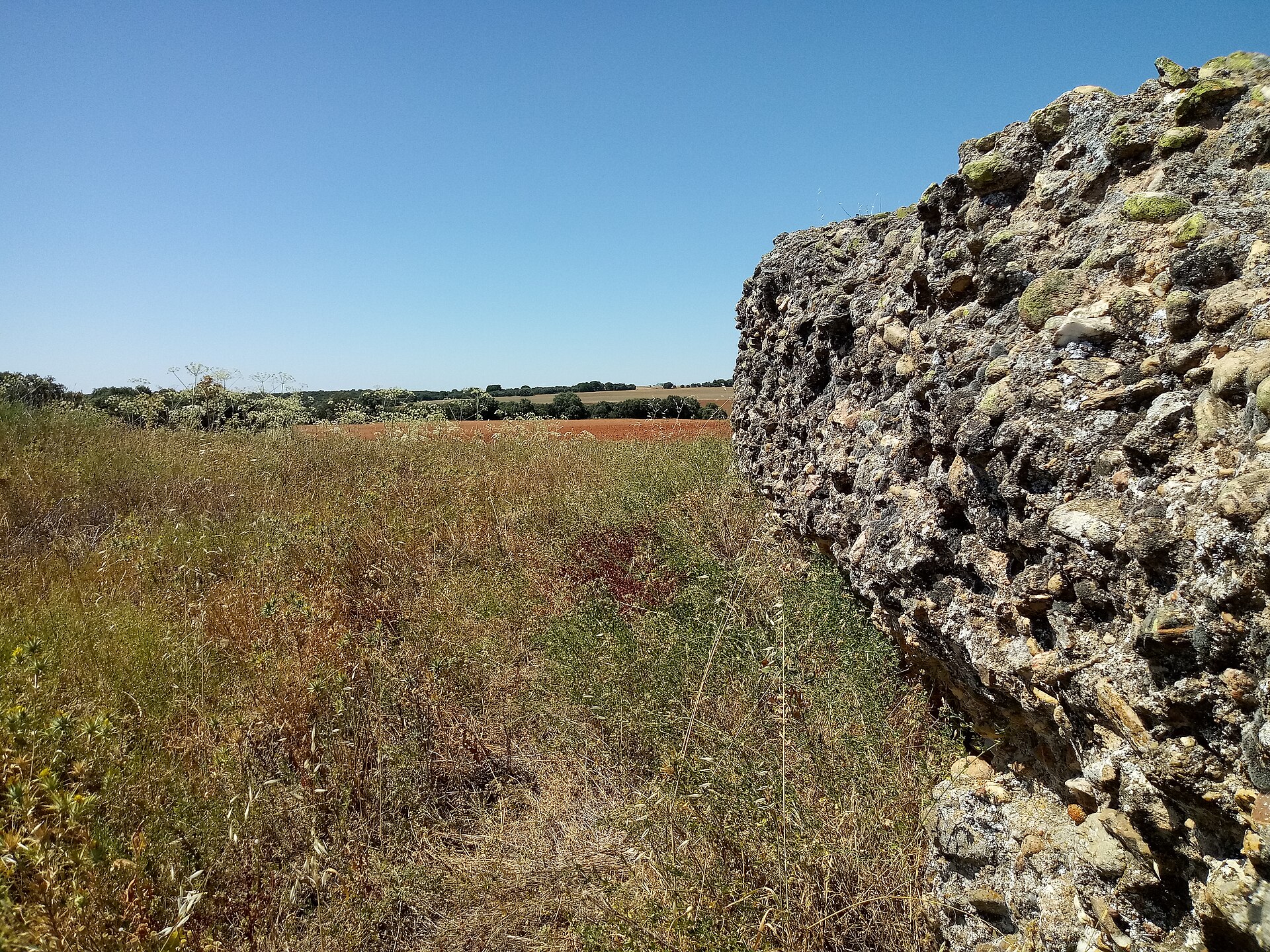
The area's roots go back to Roman times: archaeological sites known as Tierra de la Sepultura and Carrelinares have yielded traces of Roman-era settlement, while a site called Casa del Pastor preserves Visigothic remains. These aren't polished tourist attractions with visitor infrastructure, but they add a layer of historical context worth keeping in mind while wandering the town's streets.
How do you get there?
Fuentesaúco sits in the province of Zamora, reachable via regional roads connecting the smaller towns of Castilla y León. Driving is the most practical option — the square sits right in the town center, so once you arrive, heading toward the historic core will get you there directly, and parking near the plaza is generally easy outside of market days or local festivals. As an active administrative building, the town hall itself is best appreciated from the outside; it isn't set up as a museum with visitor access to its interior.
When is the best time to visit?
Quieter mid-morning hours are ideal for taking in Plaza Mayor and the town hall, when the square carries its everyday pace — locals running errands at the office, others sitting at nearby cafés. It's also worth checking the local calendar of patron saint festivals, since the Plaza Mayor typically becomes the focal point for the town's main celebrations. Spring and autumn offer the most comfortable weather for exploring this part of Castilla y León, avoiding the summer heat.
Frequently asked questions
Can visitors go inside the town hall? The building functions as an active municipal office, so interior access is limited to office hours and administrative business. For visitors, the real appeal is the exterior view as part of the Plaza Mayor's architecture.
Are there other attractions near the town hall? Yes — a few minutes' walk brings you to the Church of Santa María del Castillo, Fuentesaúco's principal landmark, designated a National Monument since 1973.
Does Fuentesaúco have other historical remains? It does. Nearby sites preserve traces of Roman settlement (Tierra de la Sepultura, Carrelinares) and Visigothic elements at Casa del Pastor, though these sites appeal more to history enthusiasts than casual sightseers.
How much time should I plan for Plaza Mayor and the town hall? A relaxed walk around the square, taking in the town hall's facade and the surrounding houses with their heraldic shields, takes about 15 to 30 minutes — a brief stop best paired with a visit to the Church of Santa María del Castillo.
Nearby places

Earn badges for the places you visit
Download NextOnTrip, discover new places and check off your trails.