About this place
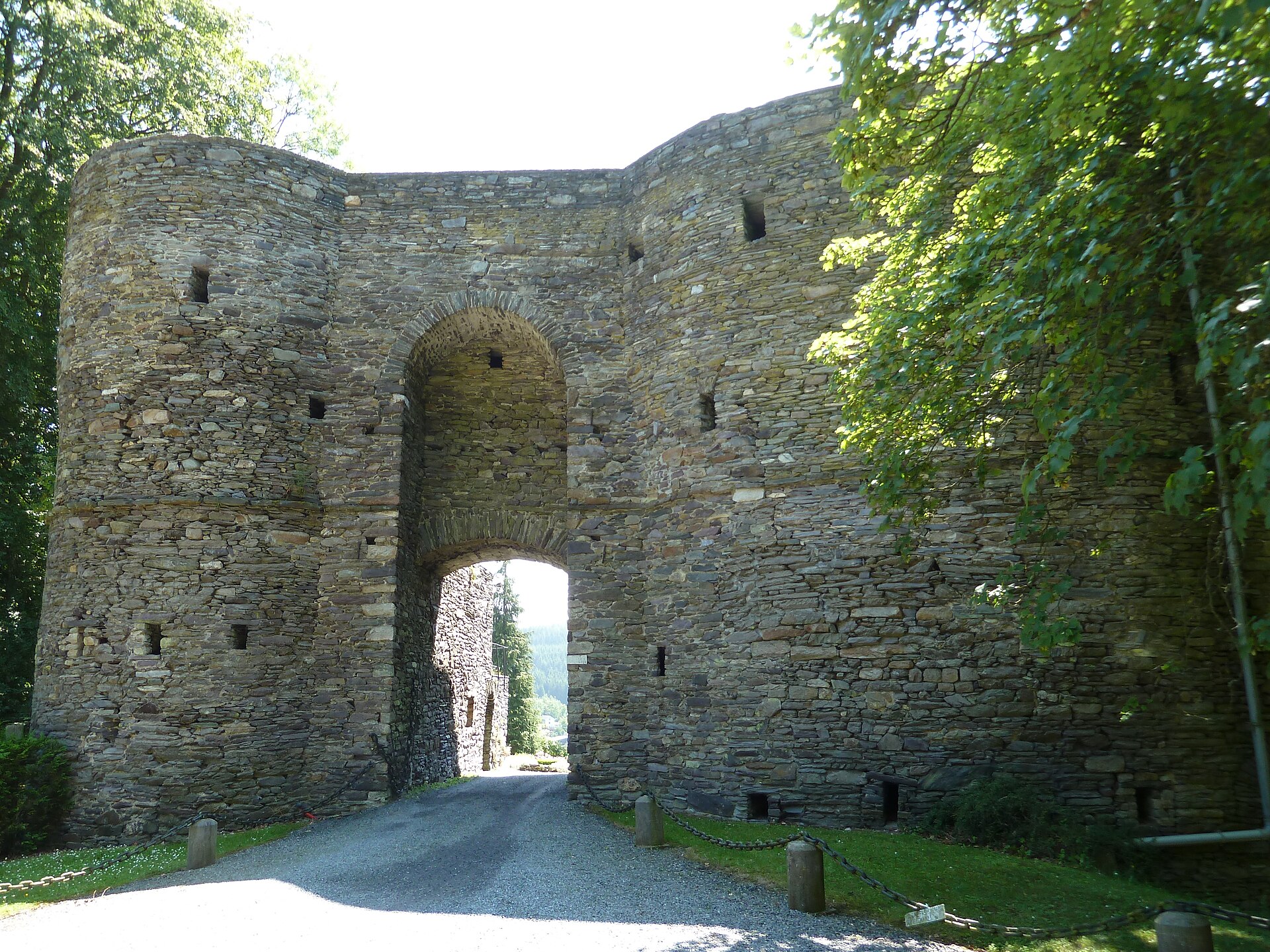
Froidcourt Castle rises above the valley of the Amblève River, between the villages of Stoumont and La Gleize in the province of Liège, in the heart of Belgian Wallonia. With its round towers, steep slate roofs and grey stone walls, it looks every bit like a fortress plucked from the Middle Ages — yet the building visitors see today is far younger than its silhouette suggests.
Why does a "medieval" castle date from the 20th century?
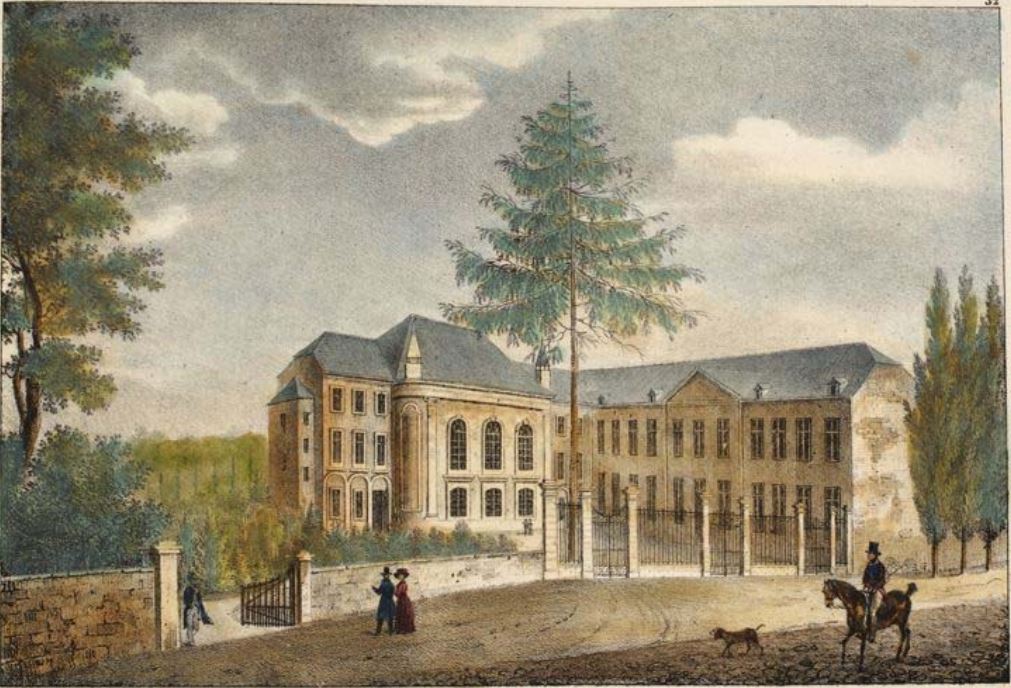
The site has held fortified buildings for centuries, because its position above the Amblève made it a natural point to watch and defend the valley. A first castle stood here in medieval times, serving exactly that purpose: controlling movement along the river and the roads that followed it. Around 1600, that early structure was replaced by a new residence known as Château de Salm, which remained in place for roughly three centuries before being torn down at the start of the 1900s.
What stands on the site now is a deliberate act of reconstruction rather than a survivor from antiquity. Between 1912 and 1919, Charles-Albert de Harenne, who served as mayor of Stoumont, had the present castle built in a neo-medieval style. The choice was clearly nostalgic: turrets, defensive-looking masonry and a romantic silhouette recall the fortified manors of earlier centuries, even though the technique and purpose were entirely those of a private early-20th-century residence rather than a working stronghold.
What makes it worth a stop today?
Froidcourt's appeal lies in that contrast between appearance and age. From a distance, across the fields and forested slopes of this part of the Ardennes, the castle reads as an old feudal seat — a picture-postcard silhouette of towers and pointed roofs against the greenery of the Amblève valley. Up close, it becomes clear this is a carefully composed 20th-century vision of what a castle "should" look like, built by a family who wanted a landmark residence rather than a military installation.
The building's historical value was formally recognised in 1989, when it was listed as a protected heritage site in Wallonia. That status reflects both its architectural character and its role in the local landscape, even though it does not carry the centuries of continuous occupation that some of the region's genuinely medieval castles can claim.
Can you visit the inside?
Froidcourt Castle remains private property, still belonging to the de Harenne family who commissioned its construction. The interior of the main building is not open to the public, so there is no formal visit of halls or period rooms to plan for. That said, the estate does welcome guests in a different way: a large guesthouse standing next to the castle, along with rooms located inside one of the towers, can be booked for overnight stays, letting visitors experience the setting from within the grounds rather than just from the road.
Frequently asked questions
Where exactly is Froidcourt Castle? It stands in the municipality of Stoumont, near La Gleize, in Belgium's Liège province, overlooking the Amblève valley.
Is the castle medieval? No — despite its neo-medieval style, the current building was constructed between 1912 and 1919, replacing earlier structures that had stood on the same site since the Middle Ages.
Can the castle be visited? The castle itself is private and closed to visitors, but an adjoining guesthouse and tower rooms can be rented for a stay on the estate.
Is it a protected monument? Yes, it was designated a protected heritage site in Wallonia in 1989.
Nearby places

Earn badges for the places you visit
Download NextOnTrip, discover new places and check off your trails.