About this place
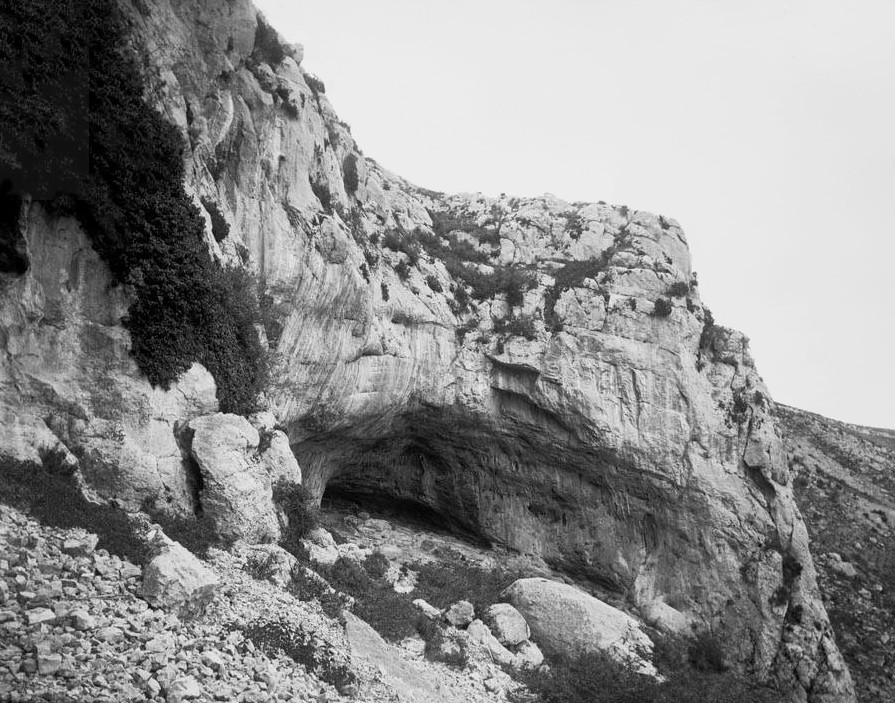
Espluga petita del Congost is a small limestone cave in the municipality of Abella de la Conca, in the Pallars Jussà region of Catalonia, Spain. Tucked into the slope above the Congost gorge, it sits amid the rugged, dry-valley scenery typical of this stretch of the Pyrenean foothills, and it is listed in Catalonia's inventory of archaeological and paleontological heritage.
How do you get there?
Abella de la Conca is a small municipality in Lleida province, set in the mountainous heart of Pallars Jussà, well off the region's main tourist routes. The cave lies near the western edge of the municipal boundary, on the left bank of the gorge, close to the Cal Borrell farmhouse and a rock formation known locally as Pedra Ficada. A car is essential — the nearest town of any size is Tremp, from which a rural road leads into the comarca. The final stretch to the cave has to be covered on foot, over ground that is unmarked or only loosely signposted, so it's worth bringing a topographic map or checking with the tourist information point in Tremp before setting out.
What will you see?
Espluga petita del Congost is a natural limestone cavity roughly 40 metres long, carved by water erosion into the sedimentary rock typical of this part of the Pyrenees. It sits at around 1,080 metres above sea level, just above the stream that runs along the bottom of the gorge. A few metres away, in the same rock face, lies a second, twin cave — Espluga del Congost — suggesting that this section of the gorge was once favoured by people as a natural shelter.
Archaeological material found inside the cave dates to the Bronze Age, though no permanent living structures have turned up — no walls, hearths, or other signs of settled occupation. That points to occasional, short-term use, perhaps by shepherds or hunters passing through, rather than a fixed dwelling. For anyone interested in Pyrenean prehistory, it's a modest but telling example of how natural rock cavities were pressed into service thousands of years ago.
The name itself is worth a second look. The Catalan word "espluga" (also found as "esplugues" in regional variants) derives, according to the linguist Joan Coromines, from the Latin "speluncas," meaning cave or grotto. The same root turns up in the names of many other places across Catalonia, a sign of how common such natural shelters once were in the landscape — and of how deeply they left their mark on local place names.
When should you visit?
Given the mountainous terrain and lack of any built infrastructure, late spring through early autumn is the best window, when the paths are dry and temperatures are mild. In winter, snow and ice on the gorge's slopes can make both the drive and the approach difficult. This isn't a site set up for mass tourism — there's no lighting, walkways, or marked trail — so treat a visit as a proper hike rather than a quick stop, and bring sturdy footwear and a torch.
Frequently asked questions
What is Espluga petita del Congost? It's a natural limestone cave about 40 metres long, located in the Congost gorge in the municipality of Abella de la Conca, containing archaeological material from the Bronze Age.
Did people live in the cave? The finds point to occasional Bronze Age use, but no permanent living structures were found — nothing confirms settled habitation.
Where does the name "espluga" come from? According to Joan Coromines, it derives from the Latin "speluncas," meaning cave or grotto — the same root appears in many Catalan place names.
Is the cave easy to reach for tourists? Not entirely — it requires a walk over unmarked mountain terrain, so it's best visited from late spring to early autumn and with proper preparation.
Nearby places

Earn badges for the places you visit
Download NextOnTrip, discover new places and check off your trails.