About this place
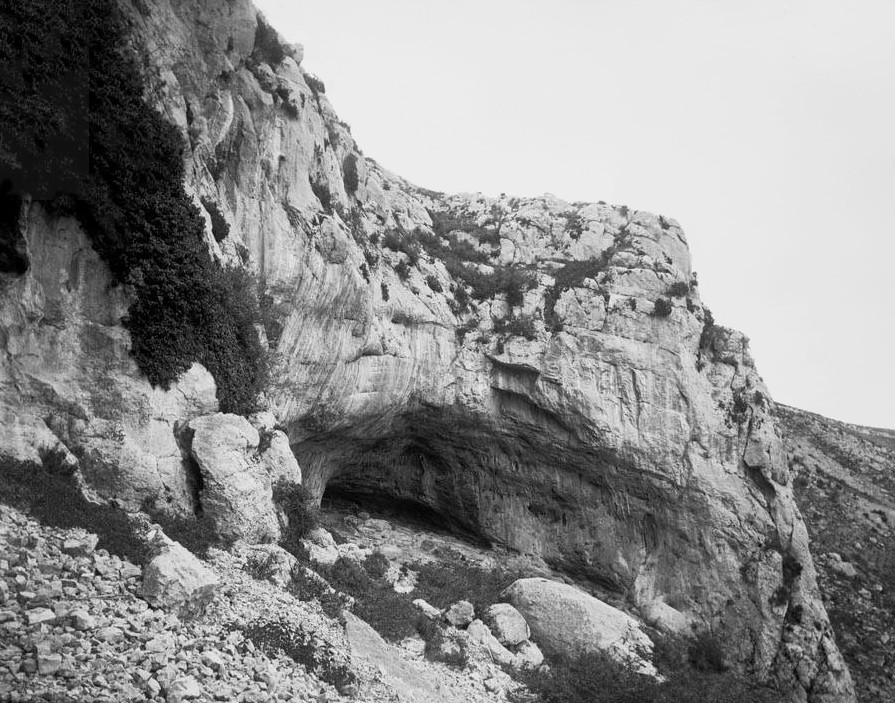
Espluga del Congost is a small natural cave in the municipality of Abella de la Conca, in the Pallars Jussà region of Lleida province, on the foothills of the Catalan Pyrenees. This is a stop for travelers drawn to raw, undeveloped mountain landscapes rather than a polished tourist attraction with facilities.
What is this place?
Espluga del Congost, also known as Espluga Gran del Congost, is a natural rock cave. The word "espluga" comes from the Latin "spelunca" (cave, rock shelter) — the same root behind the English word "spelunking." The second part of the name, "del Congost," refers to a nearby place called Congost, a narrow gorge or tight valley, a landscape feature typical of this part of the Pyrenees.
A few meters from Espluga del Congost sits a second, smaller cave, Espluga petita del Congost. Together they form a small twin system of rock shelters, characteristic of the limestone, karst terrain of the Pallars Jussà region, where similar natural caves and rock shelters are common.
How to get there?
Abella de la Conca is a small hillside hamlet surrounded by terraced fields and pastures typical of this part of Pallars Jussà. The usual starting point for exploring the area is Tremp, the region's main town, from where local roads lead to Abella de la Conca. The cave itself has no marked road access or parking at the entrance — reaching it means walking along local paths through farmland and rocky slopes around the village.
Plan the route in advance and wear sturdy trekking shoes: the ground is stony and steep in places, and the cave is not set up for casual visits without preparation.
What will you see?
This is a destination for people interested in geology and karst landscapes, not for those looking for a lit-up, tourist-ready grotto. Espluga del Congost is a natural rock cavity, one of many in Pallars Jussà, a region known for numerous caves and rock shelters carved into limestone over centuries of erosion. The proximity of two caves just a few meters apart is a striking example of how water and time shape a rock massif.
The area around Abella de la Conca also makes a good base for hiking in the Pyrenean foothills, with views over the valleys and folded terrain of Pallars Jussà.
When to visit?
The best time to visit is spring (April–June) and early autumn (September–October), when temperatures in this part of the Pyrenees are moderate and hiking paths are dry and manageable. Summer can get hot, especially at midday, while winter can make the higher parts of the region harder to reach due to weather conditions. After heavy rain, it is best to avoid the area around natural caves, since the rock can become damp and slippery.
Frequently asked questions
Is Espluga del Congost marked as a hiking trail? There is no formal tourist infrastructure — it is a natural cave reached on foot, without a marked trail or information panels on site.
Is it worth combining the visit with other nearby attractions? Yes. The Pallars Jussà region has many similar natural caves and rock shelters, and the area around Abella de la Conca and Tremp offers hiking routes with Pyrenean views.
Is the cave safe to explore on your own? As a natural, unlit cave without safety installations, it calls for caution — proper footwear, a torch and good judgment are essential, especially after rain.
Where does the name "Espluga del Congost" come from? "Espluga" derives from the Latin "spelunca" (cave), while "del Congost" points to its proximity to a place called Congost, a narrow gorge or valley typical of the Pyrenees.
Nearby places

Earn badges for the places you visit
Download NextOnTrip, discover new places and check off your trails.