About this place
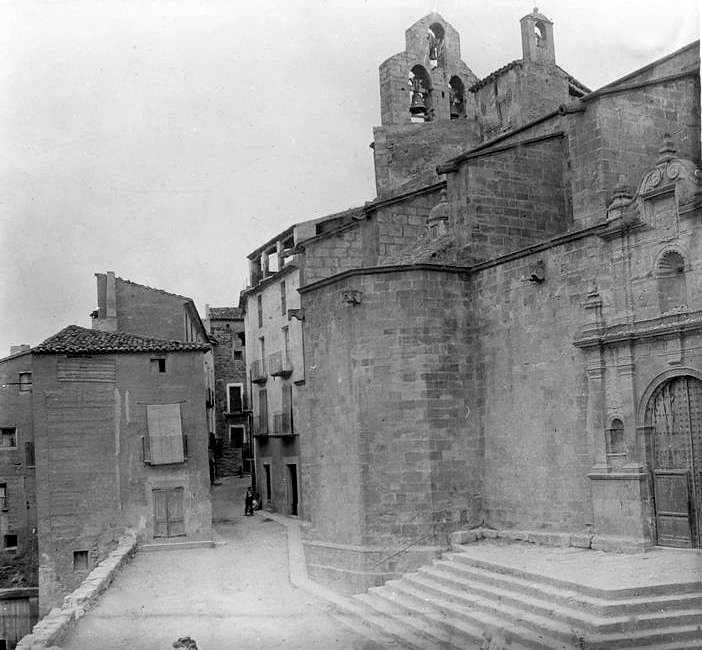
The Església parroquial d'Ascó is the parish church of the small town of Ascó, in the province of Tarragona, in the Ebro valley in Catalonia. The building carries more than eight centuries of history, tied closely to local events — from a courtroom-style dispute over a chair in the presbytery to the birth of one of Catalonia's beatified sons.
How do you get to the church in Ascó?
Ascó sits on the banks of the Ebro river, inland in the province of Tarragona, in the Ribera d'Ebre district. The parish church stands right in the historic centre of town, so the easiest approach is by car along the local roads that connect Ribera d'Ebre with the rest of the province, then parking near the old town and walking the last stretch — Ascó is compact enough that its historic core can be covered on foot in a few minutes. The town makes a sensible short stop for travellers exploring the Ebro valley, an area better known for its river landscapes and vineyards than for monumental architecture, which makes a church with this much layered history a worthwhile detour.
What is the history behind this church?
The building's roots go back to the 12th century. In 1148, Count Ramon Berenguer IV set aside the church of Ascó to fund and maintain his comital chapel inside the Cathedral of Tortosa. After his death in 1163, the church passed under the jurisdiction of the Diocese of Tortosa, a link that has endured to this day.
At the start of the 17th century, the building still preserved an octagonal floor plan in its presbytery — an unusual feature that marks the oldest surviving phase of construction. After the expulsion of the Moriscos, the town was resettled by Christian families, and the resulting growth in population forced an expansion: in 1703 the church was enlarged, with the works starting from the keystone of the presbytery vault.
One especially vivid episode in the parish's history dates to 1668, when a dispute broke out over a chair in the presbytery. The Commander of the Hospitaller order, who was also feudal lord of Ascó and its surrounding lands, wanted to claim a seat of honour there — a request both the parish rector and the bishop refused to grant. The disagreement escalated into a genuine legal case, eventually requiring the involvement of 152 doctors of law from Barcelona, Valencia and Tortosa before it was settled.
In the early 20th century, the church was extended once more — this time to bring the birthplace of Blessed Pere Sans inside the building, within the choir. To make that possible, the parish purchased the neighbouring house and joined it to the existing structure.
What should you look out for inside and around the church?
Walking through the building, it's worth noticing how its different historical layers sit side by side: the original octagonal presbytery plan neighbours the additions made in the 18th and 20th centuries, turning the structure into a kind of physical record of the town's own growth. The spot linked to the birth of Blessed Pere Sans, folded into the choir area, is of particular interest to anyone curious about local religious history and the story of Catalan missionaries abroad. The area immediately around the church — Ascó's historic centre — is also worth a slow walk, giving a feel for a small riverside town shaped by the wider Ribera d'Ebre district.
When is the best time to visit?
Since this is first and foremost a working parish church, access to the interior depends on Mass times and local parish arrangements — it's worth checking current opening details on site or contacting the parish directly before planning a visit. As for the season, the Ebro valley can get intensely hot during the height of summer, so spring or early autumn tend to offer more comfortable conditions for exploring the old town on foot.
Frequently asked questions
Where is the parish church of Ascó located? In the historic centre of the town of Ascó, in the province of Tarragona, in the Ribera d'Ebre district on the Ebro river.
How old is this church? Its history stretches back to at least the mid-12th century — the church of Ascó is first documented in 1148 — though the building was substantially enlarged more than once afterwards, notably in 1703 and again in the early 20th century.
What was the 1668 dispute about? It concerned the right to sit in a seat of honour in the presbytery, claimed by the Commander of the Hospitaller order, who was also feudal lord of Ascó. The case was significant enough that 152 doctors of law from three cities were called in to resolve it.
What connects the church to Blessed Pere Sans? In the early 20th century, the parish expanded the building by purchasing the house where Blessed Pere Sans was born and incorporating it into the church's choir.
Nearby places

Earn badges for the places you visit
Download NextOnTrip, discover new places and check off your trails.