About this place
Església de Sant Jaume Apòstol is the main parish church of Guardamar del Segura, a coastal town in the province of Alicante on the Costa Blanca. Also known by its Spanish name, Iglesia de San Jaime Apóstol, the church stands in the town centre and has long been one of the most recognisable landmarks in the local townscape.
Why does the church stand where it does?
The building's story is closely tied to the disaster that reshaped Guardamar. On 21 March 1829, a powerful earthquake destroyed the town's old urban core, forcing residents to rebuild on a new site. The layout of the new Guardamar was drawn up by engineer José Agustín de Larramendi, who also designed the parish church as the centrepiece of the rebuilt town. Before the current building was finished, though, worshippers relied on a provisional chapel, which stood where the town's casino building stands today.
How long did construction take?
Work on the present church began in 1845, but progress was slow — a small community still recovering from the earthquake struggled to fund such a large project quickly. The building was opened for worship in 1892, though finishing work continued for almost two more decades and wasn't completed until 1910. Larramendi laid the church out on a Latin cross plan with three naves: a central nave 10 metres wide and 18 metres high, flanked by two side naves of 5 metres each. The whole building runs to roughly 50 metres in length.
What stands out architecturally?
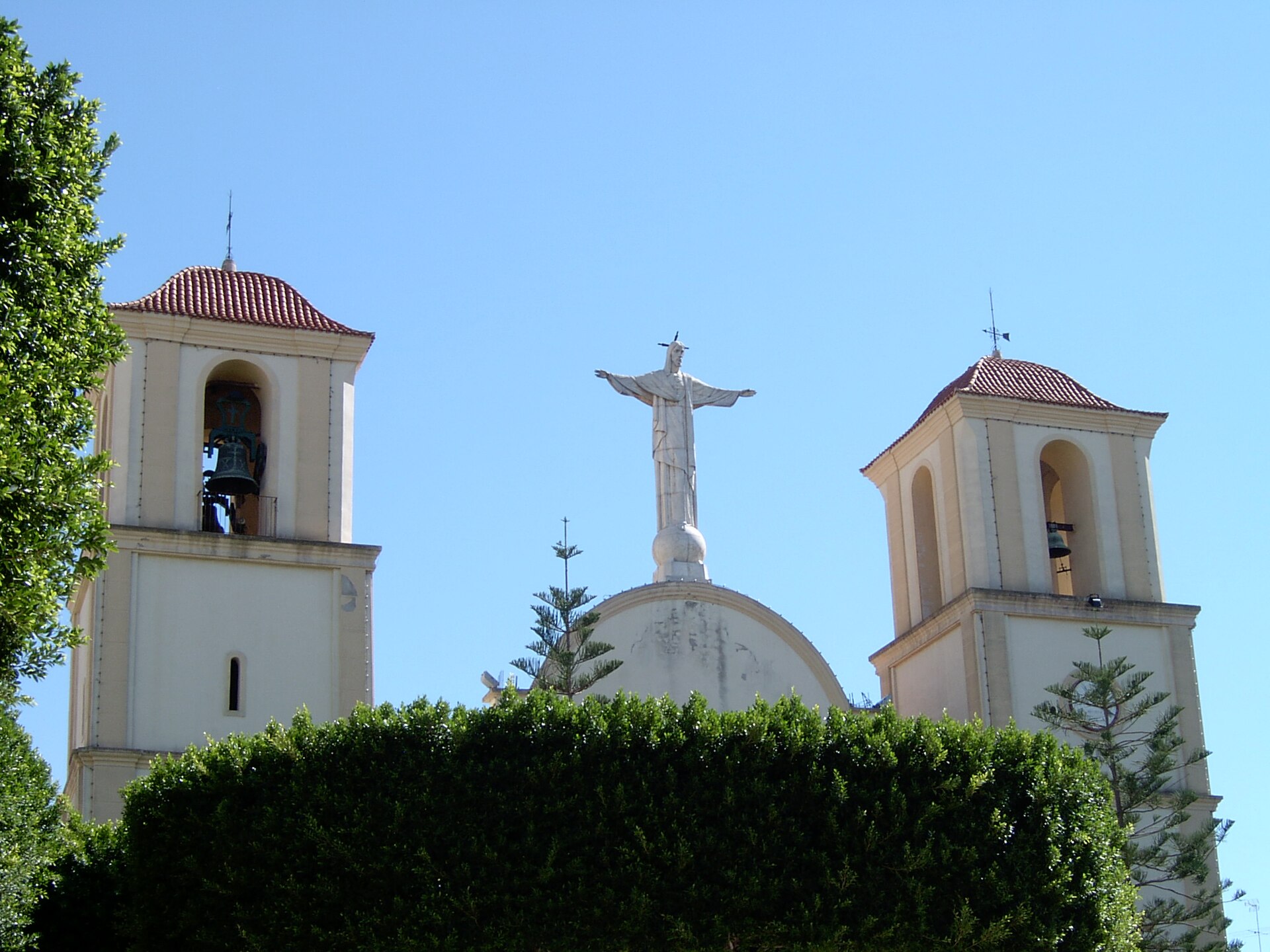
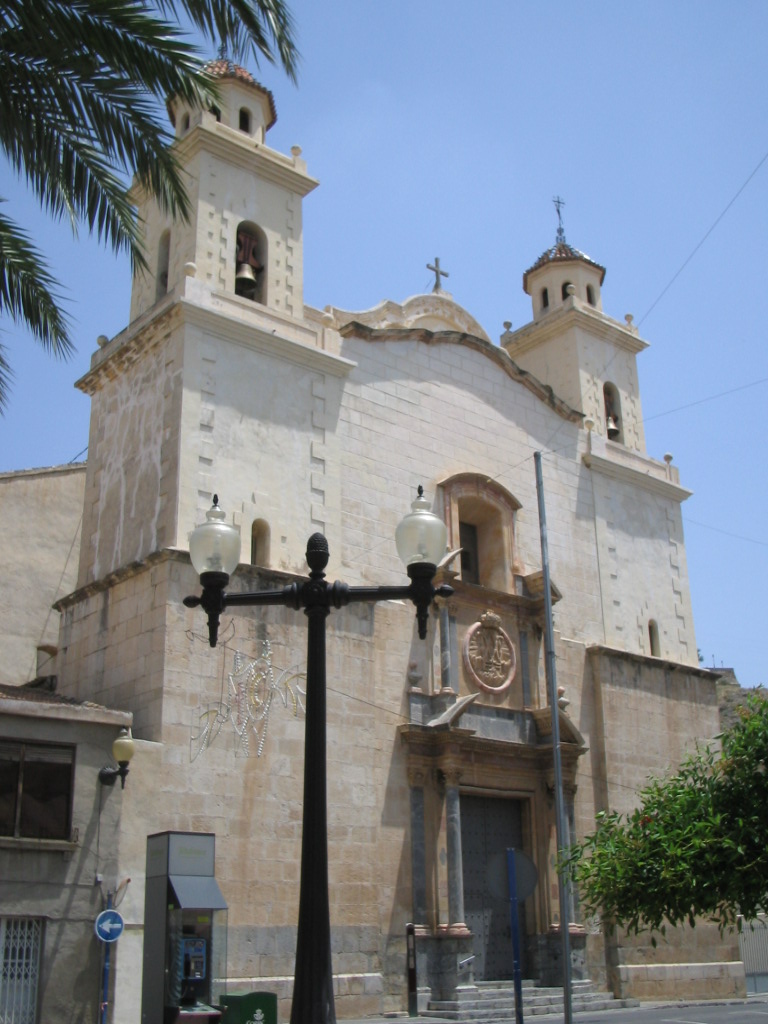
The church is built in a neoclassical style, marked by generous natural light and a deliberately plain, unornamented look. One of its most distinctive features is the bell tower, which sits not to the side, as is typical, but directly above the main entrance, doubling as the church's façade — an arrangement rarely seen elsewhere in the diocese.
The exterior walls are flat, without balustrades or projecting cornices. This wasn't a stylistic accident: Larramendi designed the church with earthquake resistance in mind, mindful of the tremor that had forced the entire town to relocate. Decorative elements that could break off and endanger passers-by during a future quake were deliberately kept to a minimum.
The parish itself predates the current building by centuries. Its roots go back to the Reconquista, when King Alfonso X the Wise established the first parishes of Orihuela and the Vega Baja del Segura area, Guardamar's among them. The present-day church is therefore the latest chapter in a much longer history of worship on the site.
Frequently Asked Questions
Why wasn't the church in Guardamar del Segura built until the 19th century? The old town was destroyed by an earthquake on 21 March 1829, which forced residents to relocate and build a new church according to engineer Larramendi's plan.
How long did the church take to build? Construction started in 1845, the building opened for worship in 1892, and finishing work wrapped up only in 1910 — spanning several decades in total.
What makes this church architecturally unusual? Its bell tower sits above the main entrance rather than to the side, forming the church's façade in an arrangement rarely found elsewhere in the region.
Do the plain façade and walls relate to earthquakes? Yes — the flat walls, free of balustrades and cornices, were deliberately designed to reduce the risk of falling debris during future earthquakes.
Nearby places

Earn badges for the places you visit
Download NextOnTrip, discover new places and check off your trails.