About this place
Ermita de San Esteban is a small chapel in Escobedo, a village that belongs to the municipality of Camargo, in Cantabria. It stands in the upper part of the village, in a neighborhood that shares its name, San Esteban, set apart from the main built-up area as a quiet, local place of worship.
Where exactly is the chapel located?
The building sits on raised ground above Escobedo, within the San Esteban neighborhood, administratively part of the Camargo municipality. Its coordinates place it at roughly 43°23′39″N 3°54′07″W, in central Cantabria, a short distance inland from the Bay of Biscay coast. From its elevated position, the chapel commands views over the surrounding valley and neighboring settlements within the municipality.
What is the history behind the building?
Local sources point to medieval origins, with the original chapel said to have been rebuilt in the 13th century, which would explain architectural traits typical of old Cantabrian religious buildings. The structure visible today, however, is generally dated to the 16th–17th centuries and blends Renaissance and Baroque elements. This layering — medieval beginnings followed by an early-modern rebuild — is common among the small rural hermitages scattered across the region.
Who is the chapel dedicated to?
The hermitage is dedicated to San Esteban — Saint Stephen, the first Christian martyr. It falls under the Diocese of Santander and is served by secular clergy rather than a religious order, a common arrangement for small rural chapels in Cantabria that lack a resident priest and are instead attended within the framework of the parish.
What has survived inside?
Of the original furnishings, a statue of San Esteban has survived, originally part of an altarpiece (retablo) that no longer remains on site — it was moved to another, unidentified church. A separate image of San Isidro Labrador, patron of farmers, once associated with the hermitage, is now kept in the parish church of San Pedro in Escobedo de Camargo. This movement of religious images between nearby churches is typical for small hermitages over time.
When are the main celebrations held?
The hermitage's main feast falls on August 3rd, marked in the San Esteban neighborhood as part of Escobedo's annual patronal festivities. The day includes sung Masses performed by the local Coral Santa Cruz de Escobedo choir, followed by verbenas — traditional open-air festivities — along with games and activities typical of Cantabrian village celebrations, including matches of bolos, the regional style of ninepins. The event combines its religious purpose with the role of a neighborhood gathering.
Is it worth a visit?
Ermita de San Esteban is not a major architectural landmark on the Cantabrian scale, but it makes an interesting stop for visitors exploring the Camargo municipality who are looking for lower-key, authentic sites away from the main tourist trail. Its appeal lies mainly in its modest rural religious architecture and in the living tradition of the August feast, which still brings the neighborhood together each year.
Frequently Asked Questions
Where is Ermita de San Esteban located? In the San Esteban neighborhood, in the upper part of Escobedo, within the municipality of Camargo, Cantabria.
How old is the chapel? Its roots go back to the Middle Ages, with a rebuild recorded in the 13th century, while the structure standing today is generally dated to the 16th–17th centuries.
Who is the hermitage dedicated to? Saint Stephen (San Esteban), the first Christian martyr; it belongs to the Diocese of Santander.
When are the main festivities held? On August 3rd, as part of the San Esteban neighborhood's annual feast, with a sung Mass and a verbena celebration.
Nearby places
-

Iglesia de Nuestra Señora de Muslera
El Astillero
-
Convento de las Clarisas de Santa Cruz
Santander
-
Ermita de San Vicente de los Campos
La Herrán
-
Iglesia de Nuestra Señora de Consolación
Santander
-
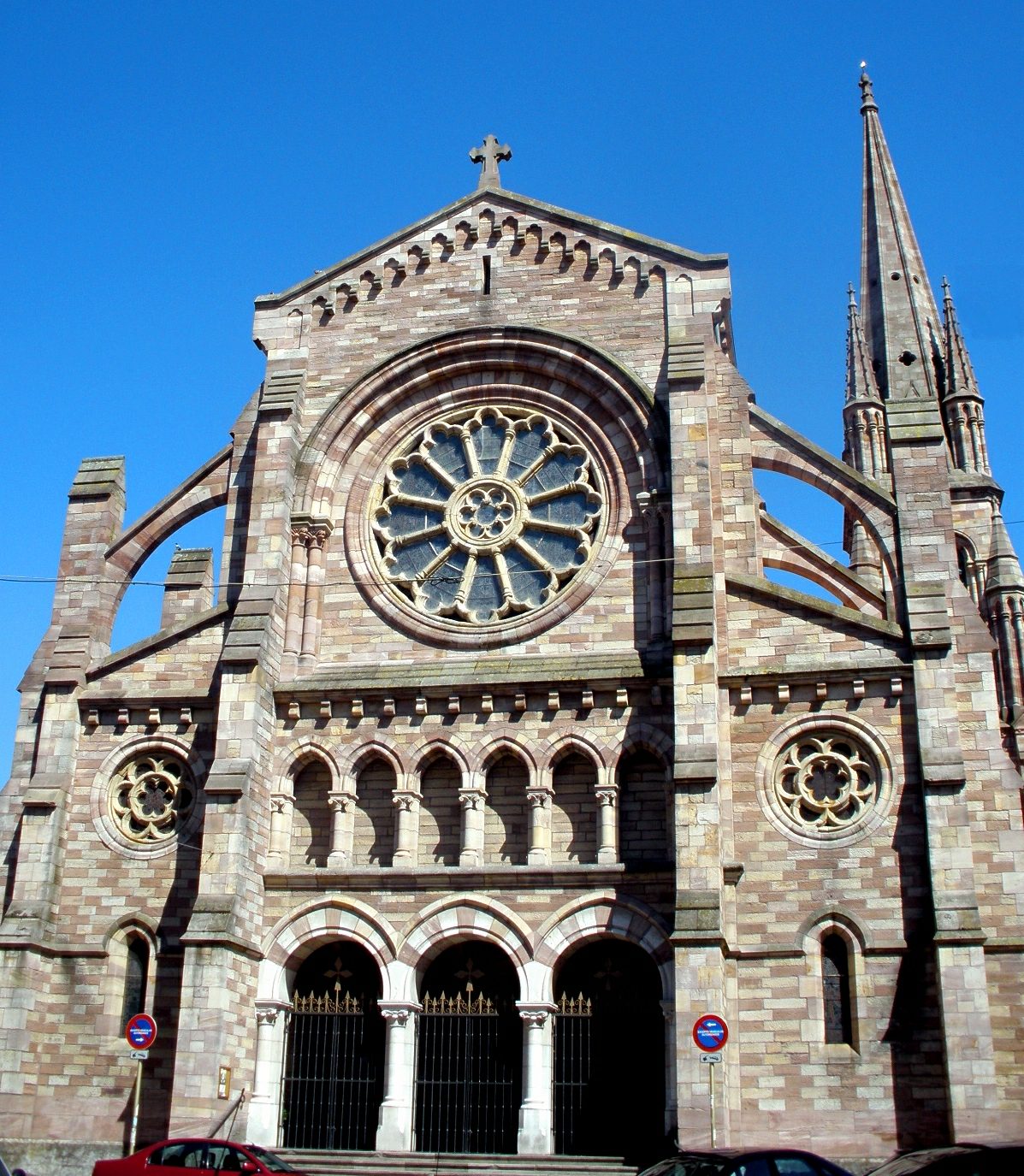
Church of Nuestra Señora de la Asunción, Torrelavega
Torrelavega
-
Monasterio y Hospedería de las Monjas Trinitarias de Suesa
Ribamontán al Mar
Earn badges for the places you visit
Download NextOnTrip, discover new places and check off your trails.