About this place
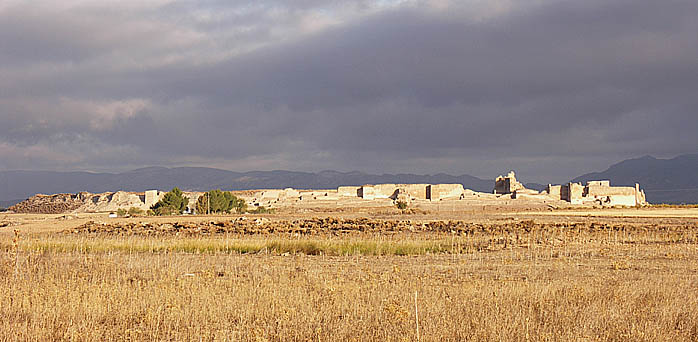
Venta de Borondo is a historic roadside inn standing at the southern edge of the municipality of Daimiel, in the province of Ciudad Real, Castile-La Mancha. The building dates back to the 16th century, when it was raised to offer rest and shelter to travelers moving along the Camino Real, the historic route linking Almagro with the southeast of Spain and the Levant. Its distinctive western tower and austere, functional layout make Venta de Borondo one of the best-preserved surviving examples of a "venta" — the type of rural roadside inn once common across the plains of La Mancha.
What makes this place historically significant?
Evidence suggests the site may have been in use as far back as Roman times, though its most important period came during the 15th and 16th centuries, when it served merchants, pilgrims and travelers crossing the road toward Almagro and beyond. The building remained in some form of use until well into the mid-20th century. Because of its location on a historic route and its typical inn architecture of the period, it is believed to have been one of the possible inspirations behind Miguel de Cervantes' "Don Quixote" — the plains of La Mancha and their roadside ventas provided the backdrop for many of the knight-errant's adventures.
What protection status does the building hold?
Venta de Borondo has been declared a Bien de Interés Cultural (BIC) under the "Monumento" category by the regional government of Castile-La Mancha — the highest level of legal heritage protection available under Spanish law. Notably, among the six ventas of this type catalogued in the region, it was the first to receive this maximum protection status, underlining its exceptional historical and architectural value compared to similar buildings nearby.
How was the building saved from ruin?
For years, the condition of Venta de Borondo was a source of concern for the local community, as the structure deteriorated and its future remained uncertain. A local association, "Venta de Borondo y Patrimonio Manchego," campaigned for years to draw attention to the need for its restoration. A turning point came in July 2022, when the private owners formally donated the building to the municipality of Daimiel. Since then, the town council has carried out restoration work aimed at stabilizing and preserving the structure — the first phase included renewing the roof, halting further deterioration of the building.
What is planned next for Venta de Borondo?
Daimiel now presents Venta de Borondo as a new pillar of its tourism strategy, showcasing the restoration project at tourism fairs such as FITUR as an example of sustainable, heritage-based development. Local authorities and cultural associations also organize events at the site that draw on its presumed links to Cervantes and the broader cultural traditions of La Mancha.
Frequently asked questions
Where exactly is Venta de Borondo located? At the southern edge of the municipality of Daimiel, in the province of Ciudad Real, along the former route connecting Almagro to the Levant.
How old is the building? It was built in the 16th century, although the site's history may date back to Roman times.
Is Venta de Borondo legally protected? Yes, it holds Bien de Interés Cultural (BIC) status under the Monumento category, granted by the government of Castile-La Mancha.
Can visitors tour the building today? The site now belongs to the municipality of Daimiel, which is carrying out restoration work with the aim of eventually opening it to visitors as part of the local tourism offer.
What is its connection to Don Quixote? Given its architecture and its position on a historic route, it is considered one of the possible inspirations for Cervantes' depictions of roadside inns in "Don Quixote."
Nearby places

Earn badges for the places you visit
Download NextOnTrip, discover new places and check off your trails.