About this place
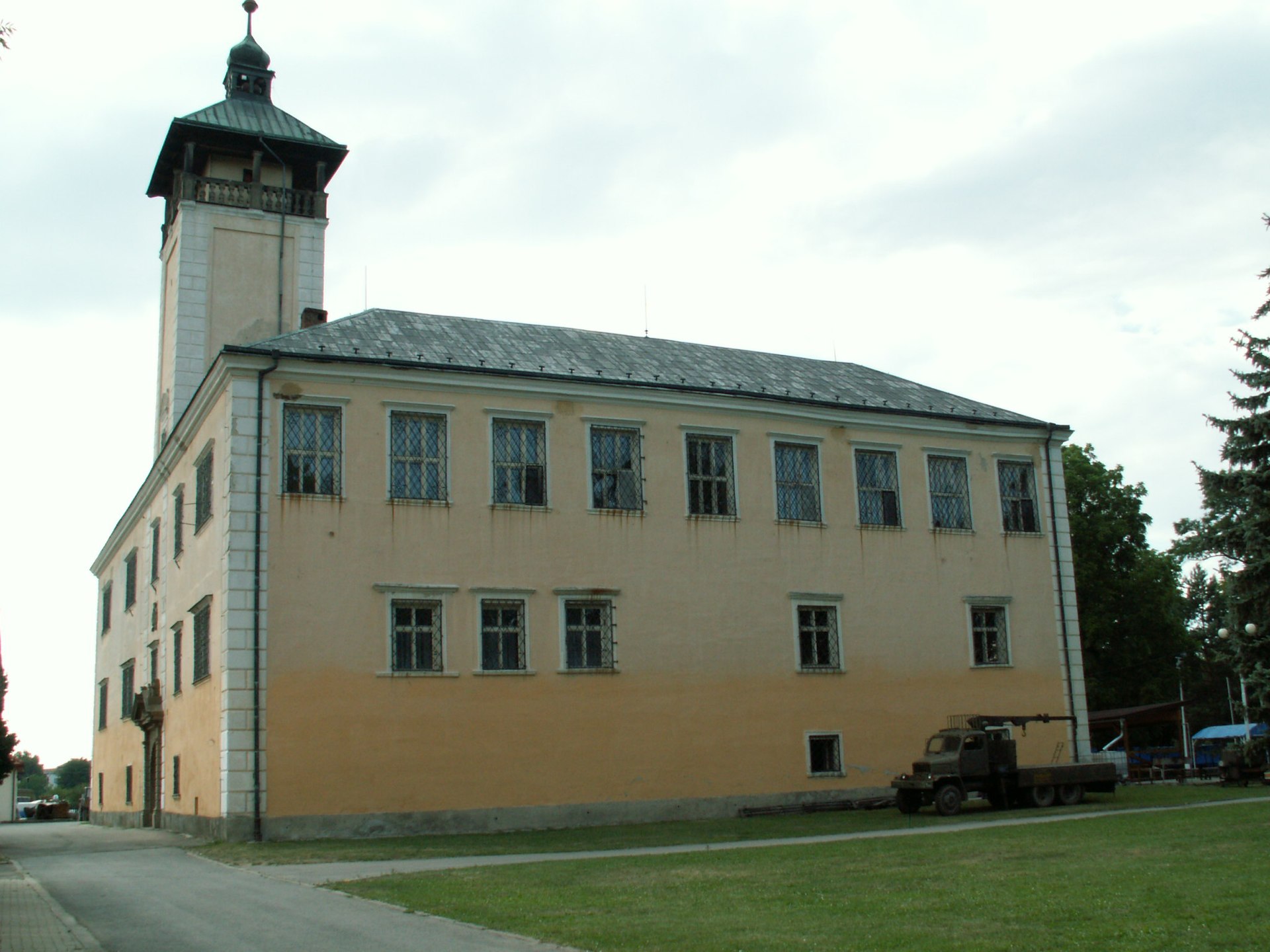
Dřevohostice Castle stands in the village of Dřevohostice, tucked at the foot of the Hostýnské vrchy hills in Moravia's Olomouc Region. It's a lesser-known stop, but a rewarding one for anyone curious about how a fortified medieval manor can evolve into a Renaissance residence over the centuries.
What stood here before the castle?
Long before the current building took shape, this spot was already home to a fortified seat. A wooden, moated stronghold — the kind of defensive manor typical of Moravian nobility — occupied the site as early as before 1368. That original stronghold laid the groundwork, quite literally, for everything that followed.
How did a medieval stronghold become a Renaissance château?
The turning point came around 1590, when the estate passed to Karel the Elder of Žerotín, a leading Moravian statesman, diplomat and provincial governor of his era. Under his direction, the old stronghold was rebuilt between 1595 and 1617 into a proper Renaissance château, complete with an arcaded courtyard, fortified walls and a water moat. The work was carried out by craftsmen from an Italian building workshop — the same team that had spent years shaping the bishop's town of Kroměříž. Their touch is still visible in the courtyard's arcades and stonework, a distinctly Italian sensibility transplanted onto Moravian soil.
What changed in the centuries after?
The next major chapter unfolded in the mid-1600s. Between 1649 and 1660, the interiors were reworked in an early Baroque style, and a forecourt was raised on the foundations of the old Renaissance perimeter wall. The castle tower was also adjusted during this phase, taking on the profile still recognizable today. Thanks to these layered additions — medieval, Renaissance, Baroque — Dřevohostice reads almost like a timeline of how Moravian noble residences evolved, without ever losing the defensive core it started from.
What's inside worth seeing?
The château ranks among the more significant examples of Moravian Renaissance architecture, but what sets a visit apart is the exhibition mix rather than period furnishings. Instead of the usual restored noble apartments, visitors find a collection of historic firefighting equipment, a museum of psychotronics, and a display of local archaeological finds. That combination of Renaissance architecture and offbeat collections gives a visit here a very different flavor than most Moravian castles.
When's the best time to visit?
Summer is the most rewarding season, when the courtyard and grounds look their best and the indoor exhibitions run on full opening hours for both individual visitors and groups. Given the site's smaller size and seasonal schedule typical of regional châteaux, it's worth checking current opening times before setting out.
Frequently asked questions
Where exactly is Dřevohostice Castle located? In the village of Dřevohostice, in the Přerov district of the Olomouc Region, at the foot of the Hostýnské vrchy hills in eastern Moravia.
Who built the Renaissance château seen today? Karel the Elder of Žerotín commissioned the rebuild after acquiring the estate around 1590; craftsmen from an Italian building workshop, previously active in Kroměříž, carried out the work between 1595 and 1617.
Was there anything on this site before the château? Yes — before 1368, a wooden, moated stronghold stood here, a typical fortified manor of the period's Moravian nobility.
What can visitors see inside the château today? Exhibits on historic firefighting equipment, a museum of psychotronics, and a collection of local archaeological finds — an unusual mix for a heritage building of this stature.
Nearby places

Earn badges for the places you visit
Download NextOnTrip, discover new places and check off your trails.