About this place
Cova Foradà is an archaeological cave site located near Oliva, a coastal town in the province of Valencia, Spain. It has drawn international attention as the place where one of the most significant Neanderthal finds on the Iberian Peninsula came to light.
What was discovered at Cova Foradà?
In 2010, researchers uncovered a Neanderthal skeleton at the site that is considered the most complete ever found on the Iberian Peninsula. For specialists studying the Palaeolithic period, a find of this completeness is unusually valuable — it allows for detailed anatomical study and comparison with other Neanderthal populations across Europe.
One of the most striking details to emerge from the study of the remains is that one of the Neanderthal individuals had used a toothpick-like object to ease pain caused by periodontal disease and dental wear. It is a small detail, but a telling one: it shows that Neanderthals responded to everyday health problems with whatever means were available to them, adding a human dimension to a find that is otherwise mostly discussed in strictly scientific terms.
How do you get to Cova Foradà?
The cave sits close to Oliva, a town on the Costa Blanca known chiefly for its long sandy beaches and its proximity to the Sierra de Oliva hills. Oliva itself is well connected by road to larger cities in the region, including Valencia and Gandia, which makes it straightforward to reach by car. Because the site is an active archaeological research location rather than a set-up tourist attraction, it is worth checking locally before a visit whether the immediate area around the cave is accessible and whether any information point or interpretive panel about the discovery is currently in place.
What else is there to see nearby?
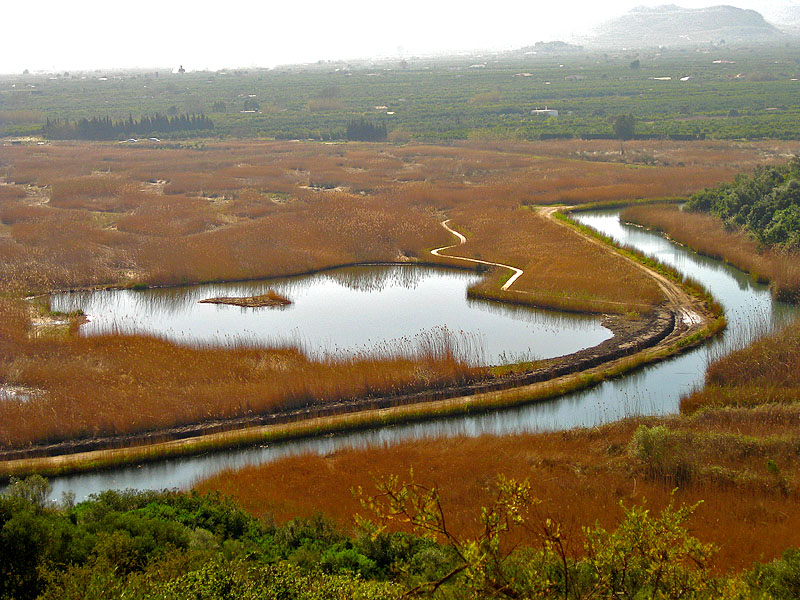
Given its scientific status, Cova Foradà is not a conventional sightseeing stop with regular tours of the cave interior — it is first and foremost a site of research importance rather than tourist infrastructure. For travellers passing through, the real appeal usually lies in pairing a brief stop near the site with everything else Oliva has to offer: its beaches, the protected wetlands of the Marjal de Oliva-Pego, and the town's old quarter with its historic buildings. That combination turns Cova Foradà into an interesting, scientifically significant point on the map, adding a layer of deep history to an otherwise typical coastal stay.
When is the best time to visit?
The Costa Blanca has a mild Mediterranean climate, so the area around Oliva is usually visited from spring through early autumn, when the weather suits both beach time and walking around the surrounding countryside. Summer months bring the heaviest tourist traffic tied to the beaches, so anyone looking for a quieter visit to the area around the archaeological site might prefer May, June, or September instead.
Frequently asked questions
What makes Cova Foradà notable? It is the site where, in 2010, researchers found the most complete Neanderthal skeleton ever discovered on the Iberian Peninsula.
Can visitors go inside the cave? The site is an active archaeological research location, not a set-up tourist attraction, so access to the cave interior is not guaranteed — it is worth checking current local information before planning a visit.
Where exactly is Cova Foradà located? Close to Oliva, a coastal town in the province of Valencia, Spain.
What is the unusual detail linked to the discovery? One of the Neanderthals whose remains were found in the cave had used a toothpick-like object to relieve pain from periodontal disease and dental wear.
Nearby places

Earn badges for the places you visit
Download NextOnTrip, discover new places and check off your trails.