About this place
Convento de las Bernardas is a historic enclosed convent in Alcalá de Henares and one of the city's most distinctive Baroque landmarks. Its popular name comes from the Cistercian nuns of the Rule of St. Bernard who lived there, whom locals have called "las Bernardas" for generations.
How did the convent come to be?
The founder was Cardinal Bernardo de Sandoval y Rojas, Archbishop of Toledo at the turn of the 17th century and a well-known patron of writers and artists of his time, supporting figures such as Miguel de Cervantes, Lope de Vega, and Quevedo. The convent was established in 1613, with construction beginning four years later, in 1617, on the site of the old Plaza de la Verdura — a location that in medieval times lay within Alcalá's Muslim quarter. Building work wrapped up in 1626.
What is there to see?
At the heart of the complex stands a church built on an elliptical plan, surrounded by six side chapels — the diagonal ones echo, on a smaller scale, the composition of the central space. Above the nave rises an oval dome built using the "encamonada" technique (a timber frame covered in plaster), considered the largest example of its kind in Spain. The whole ensemble represents mature Castilian Baroque architecture, and in 1924 the building was granted protected status as an architectural and artistic monument.
The convent originally housed twenty-four cloistered nuns. The community remained active for centuries, though its numbers gradually declined — by the time the convent closed in 2000, only six sisters remained, and they were relocated to a larger community elsewhere.
In January 1997, while the convent was still active, a museum dedicated to the community's history and religious art opened inside the building. That museum is what allows visitors today to access parts of the structure that were once off-limits during the convent's purely religious life.
How do you get there?
Convento de las Bernardas sits in the historic center of Alcalá de Henares, within walking distance of the city's main attractions, including the Universidad Complutense and Cervantes' birthplace. The city has good rail connections to Madrid — trains from Atocha station take roughly 30 to 40 minutes, and from the Alcalá station it's a short walk of about fifteen minutes to the convent.
When is the best time to visit?
Spring and autumn are the best seasons to visit, when temperatures around Madrid are mild and Alcalá de Henares hasn't yet filled up with summer tourists. It's worth checking the museum's current opening hours before your trip, since access to the interior can be limited to specific days and times.
Frequently asked questions
What makes Convento de las Bernardas different from other convents in Alcalá de Henares? Its elliptical church layout and oval "encamonada" dome set it apart — a unique structural solution unmatched among Spanish religious buildings of that period.
Can visitors go inside the convent? Yes, part of the building has operated as a museum open to visitors since 1997, showcasing the community's history and sacred art.
Who funded the convent's construction? Cardinal Bernardo de Sandoval y Rojas, Archbishop of Toledo and a noted patron of Spain's Golden Age culture.
Do nuns still live there? No — the religious community left the building in 2000, when only six sisters remained, and they moved to another convent.
Nearby places
-

Convento de la Imagen (Alcalá de Henares)
-
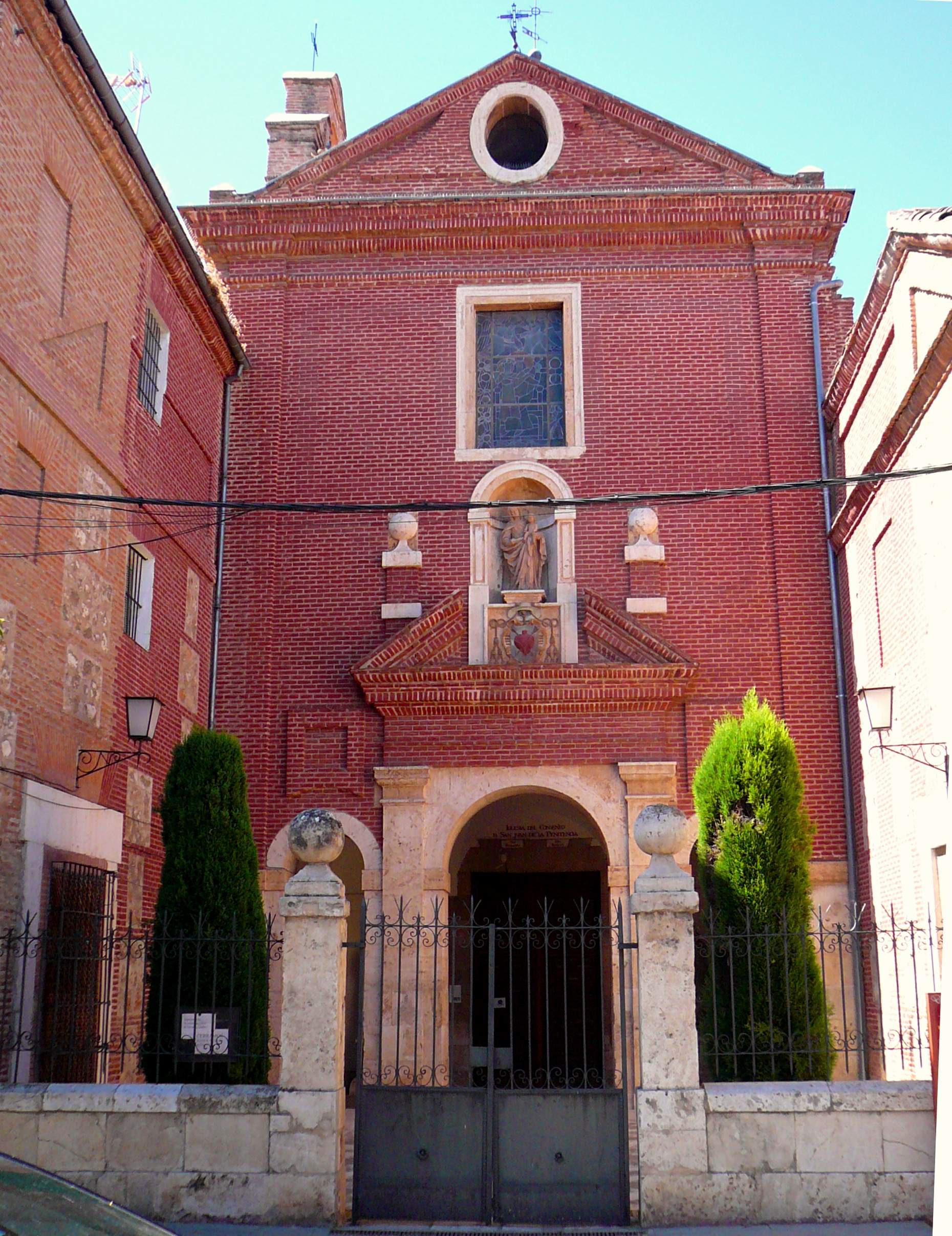
Convento de San Juan de la Penitencia
-
Discalced Carmelite College of St. Cyril
Alcalá de Henares
-
Cementerio Jardín de Alcalá de Henares
Alcalá de Henares
-
Iglesia parroquial de San Vicente Mártir, Paracuellos del Jarama
Paracuellos de Jarama
-
Hermitage of Nuestra Señora de la Soledad, Barajas
Madryt
Earn badges for the places you visit
Download NextOnTrip, discover new places and check off your trails.